The modern enterprise is defined by its processes. From the simplest internal approval to the most complex global supply chain, every organization operates through a series of interconnected steps where data, permissions, and rules dictate the flow of work. Historically, these processes have been housed within siloed applications, often requiring human intervention to bridge the gaps between systems that were never designed to communicate. As artificial intelligence continues to reshape the corporate landscape, the fundamental nature of how these pieces work together is undergoing a radical transformation.
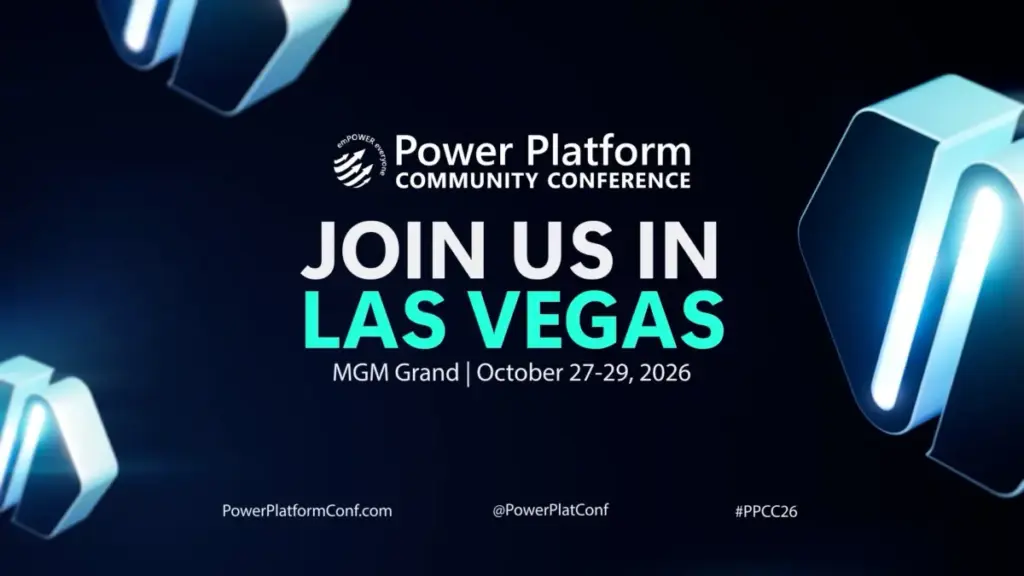
Microsoft has announced that it will address these shifts at the fifth annual Power Platform Community Conference (PPCC), scheduled to take place from October 27 to 29, 2026, at the MGM Grand in Las Vegas. The event arrives at a critical juncture for business leaders and technology professionals who are moving beyond the initial hype of generative AI and into the practicalities of implementation, governance, and optimization.
As enterprises look to integrate AI into their core operations, they face a new set of practical questions. How can AI agents move from simple chatbots to active participants in a workflow? How do organizations ensure that these intelligent systems remain secure and governable? Perhaps most importantly, how can businesses manage the costs associated with AI while maximizing the value it brings to their bottom line? These questions form the backbone of the upcoming conference, which aims to provide a roadmap for the next generation of digital transformation.
Rethinking the Architecture of Work
The core philosophy of the Power Platform has always been the democratization of solution-building. By providing low-code tools, Microsoft has enabled business experts—those who closest to the problems—to build the applications and workflows they need. However, the introduction of Microsoft Copilot and AI agents has expanded the scope of what is possible. The focus is no longer just on building a single app or automating a single task; it is about rethinking end-to-end processes.
In many organizations, people have traditionally acted as the "human glue," managing exceptions and making judgments where software reached its limits. AI creates an opportunity to rethink this dynamic. Instead of people spending their time on routine data entry or manual system navigation, they can leverage AI to handle the logic and information retrieval, allowing the human element to focus on high-level strategy and complex exception management.
The conference will explore how tools like Microsoft Copilot and Work IQ are being used to create a more cohesive "organizational intelligence." By connecting data from across the Microsoft 365 ecosystem and beyond, these tools allow for a more fluid movement of information. This shift moves the enterprise away from siloed tools and toward a holistic environment where apps, workflows, and data work in concert.
From Theory to Practice: The NFL Case Study
To illustrate the real-world impact of these technologies, Microsoft highlighted the recent digital modernization efforts of the National Football League (NFL). The league, which operates under immense logistical pressure particularly on game days, sought a way to standardize its operations and improve real-time decision-making.

By utilizing Microsoft Copilot Studio and the Power Platform, the NFL developed an AI-powered Game Ops Dashboard. This solution was designed to modernize game-day operations by standardizing incident reporting across various venues and providing a centralized hub for operational data. The dashboard does more than just display information; it supports long-term operational learning by creating a consistent, data-driven record of stadium operations.
 Productivity Software & Office Suites
Microsoft Unveils Reimagined Copilot with Agentic Capabilities and New "Autopilot" Digital Teammate
Microsoft has announced a sweeping overhaul of its Copilot platform, signaling a...
 Productivity Software & Office Suites
The Rise of the Agentic Operating Model: How ‘Frontier Firms’ Are Using Knowledge Spines to Outpace Competitors
As the initial hype surrounding generative artificial intelligence matures into a demand...
 Productivity Software & Office Suites
Microsoft Shifts Focus to Enterprise AI Utility: A New Strategic Framework for Agents, Economics, and Partnership
In an era defined by a relentless cycle of artificial intelligence breakthroughs,...