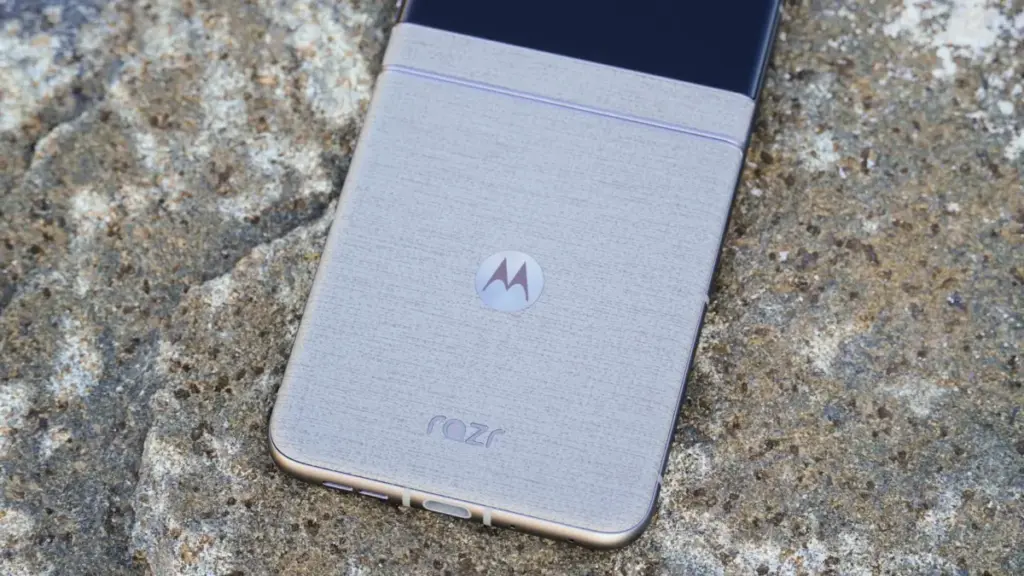
The landscape of the foldable smartphone market is shifting rapidly as manufacturers transition from experimental designs to refined, daily-driver-ready devices. Among the most aggressive players in this space is Motorola, a brand that successfully resurrected its iconic Razr moniker to challenge Samsung’s dominance in the "flip" category. While the industry is still digesting the impact of recent releases, new reports have already begun to shed light on what the future holds. A significant leak regarding the Motorola Razr 2027 suggests that the company is preparing a major overhaul for its next-generation foldable, aiming to address long-standing design criticisms and hardware limitations.
According to a detailed report from Android Headlines, the Motorola Razr 2027 is poised to arrive much earlier than some might have anticipated, with rumors pointing toward a reveal during CES 2027 in early January. This potential shift in the release cycle signals Motorola’s intent to seize the narrative early in the year, placing its latest foldable technology front and center at one of the world’s largest consumer electronics stages. The leaked information, which includes alleged renders and internal specifications, paints a picture of a device that is finally maturing into the premium contender fans have been waiting for.
A Design Evolution: Erasing the Borders
One of the most striking revelations in the recent leak concerns the Razr 2027’s external aesthetics. For several generations, the "base" model of the Razr has been criticized for the substantial borders surrounding its cover display. While the "Ultra" or "Plus" variants of the Razr line have pushed the boundaries of edge-to-edge external screens, the standard model often felt like a compromise, featuring a smaller window that left much of the top half of the device unused.
The leaked renders suggest that Motorola is finally ready to eliminate this "ugly border." The Razr 2027 is rumored to feature a massive 4-inch cover display that expands across the entirety of the front panel, reaching all the way to the hinge. This design philosophy mirrors the high-end experience currently found on the Razr Ultra and the anticipated Galaxy Z Flip 8. By bringing this expansive screen to the base model, Motorola is effectively blurring the lines between its entry-level and premium foldable offerings, providing users with a much more functional interface for notifications, widgets, and even full apps without needing to flip the device open.
This shift to a 4-inch external screen is not merely a cosmetic choice; it represents a fundamental change in how users interact with flip phones. A larger canvas allows for better typing experiences, more immersive media controls, and a viewfinder for the main camera that actually does justice to the shot being framed. If these rumors hold true, the Razr 2027 could set a new standard for what consumers should expect from a "standard" foldable in terms of screen real estate.
Internal Upgrades: Power and Longevity
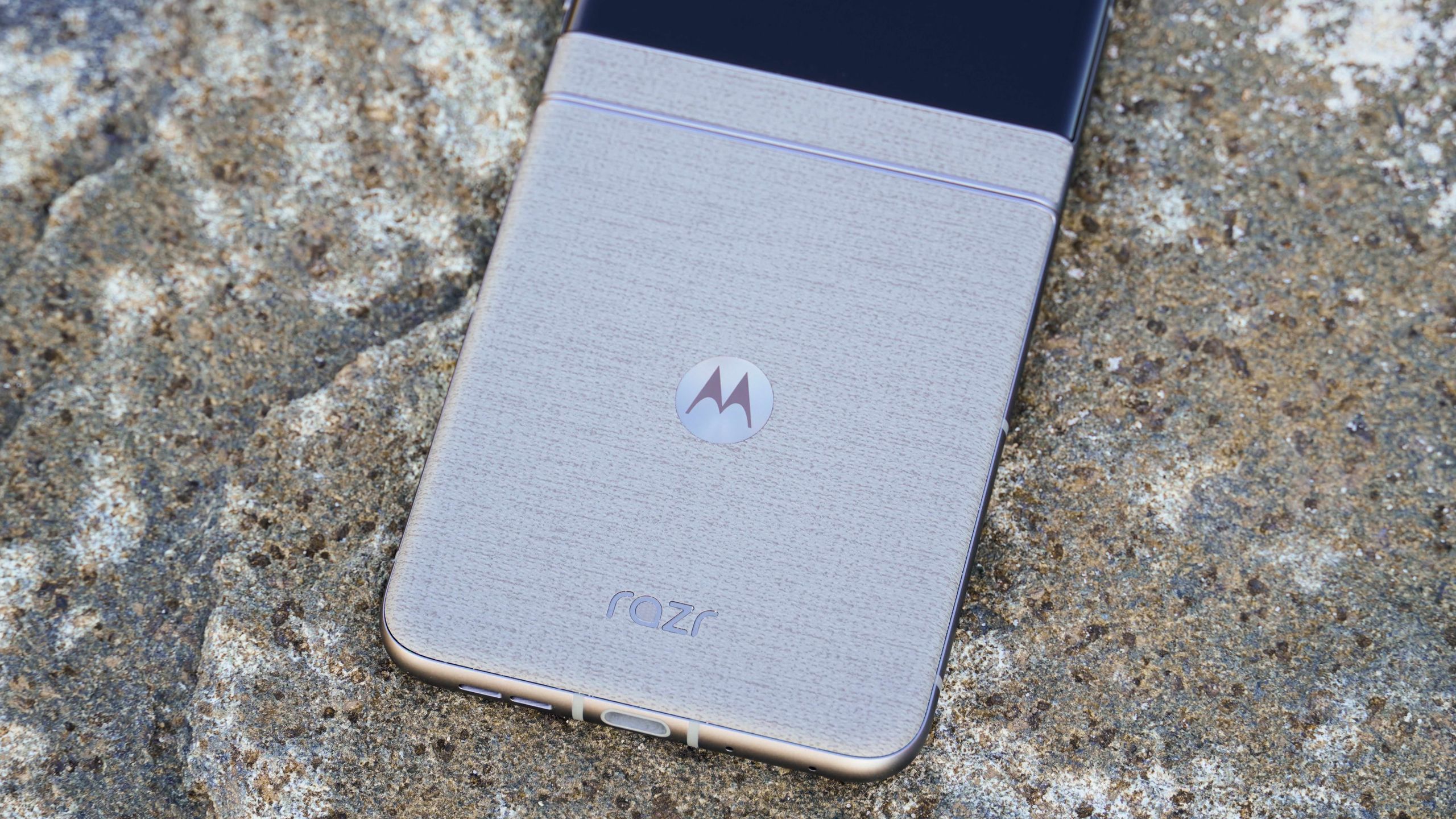
Beyond the visual transformation, the Razr 2027 appears to be receiving significant internal upgrades aimed at improving the device’s endurance and utility. Battery life has historically been the "Achilles’ heel" of the flip-style foldable form factor. Due to the complex hinge mechanism and the need to split the battery cells between the top and bottom halves of the chassis, these devices have often lagged behind traditional "slab" smartphones in terms of capacity.
Motorola looks set to challenge this limitation. The leak indicates that the Razr 2027 will house a 5,000mAh battery cell, a notable 200mAh increase over the 4,800mAh capacity found in the 2026 variant. While a 200mAh jump might seem incremental on paper, in the tightly packed confines of a foldable device, every millimeter of space is hard-won. This increased capacity, combined with more efficient processing, could finally provide the "all-day" battery life that power users demand.
Complementing the larger battery is an upgrade to the device’s charging capabilities. The report alleges that Motorola will boost the charging speed to 45W, up from the 30W standard seen in previous iterations. In a market where competitors are increasingly pushing for faster refueling times, this move ensures that the Razr remains competitive, allowing users to top up their devices quickly during short breaks.
The Processor Debate and Storage Corrections
While much of the leak is positive, the choice of processor remains a point of contention among tech enthusiasts. Motorola is reportedly planning to stick with MediaTek’s mid-range Dimensity chipsets for the 2027 base model. While the Dimensity line has made incredible strides in performance and efficiency—often rivaling or exceeding its Snapdragon counterparts in specific benchmarks—the "mid-range" designation for a device that likely carries a premium price tag is a sensitive topic.
Critics argue that as the price of foldables remains relatively high compared to standard flagship phones, consumers expect top-tier silicon. However, Motorola’s strategy appears to be focused on balancing performance with cost-effectiveness, ensuring the Razr remains one of the more accessible foldables on the market. The specific Dimensity chip has not been named, but the hope is that it will provide enough "oomph" to handle the multitasking demands of the new, larger cover display without the thermal throttling issues that have plagued some previous foldable generations.
On a more positive note for consumers, Motorola seems to be listening to feedback regarding storage. The 2026 model was met with some backlash when the company inexplicably cut the base storage in half while simultaneously increasing the price—a move many described as "distasteful." The rumors for the 2027 model suggest a return to form, with 8GB of RAM and 256GB of internal storage expected to be the standard configuration. This restoration of storage capacity is a vital step in regaining consumer trust and ensuring the device remains useful over a multi-year ownership period.
Moto’s Finally Doing Work
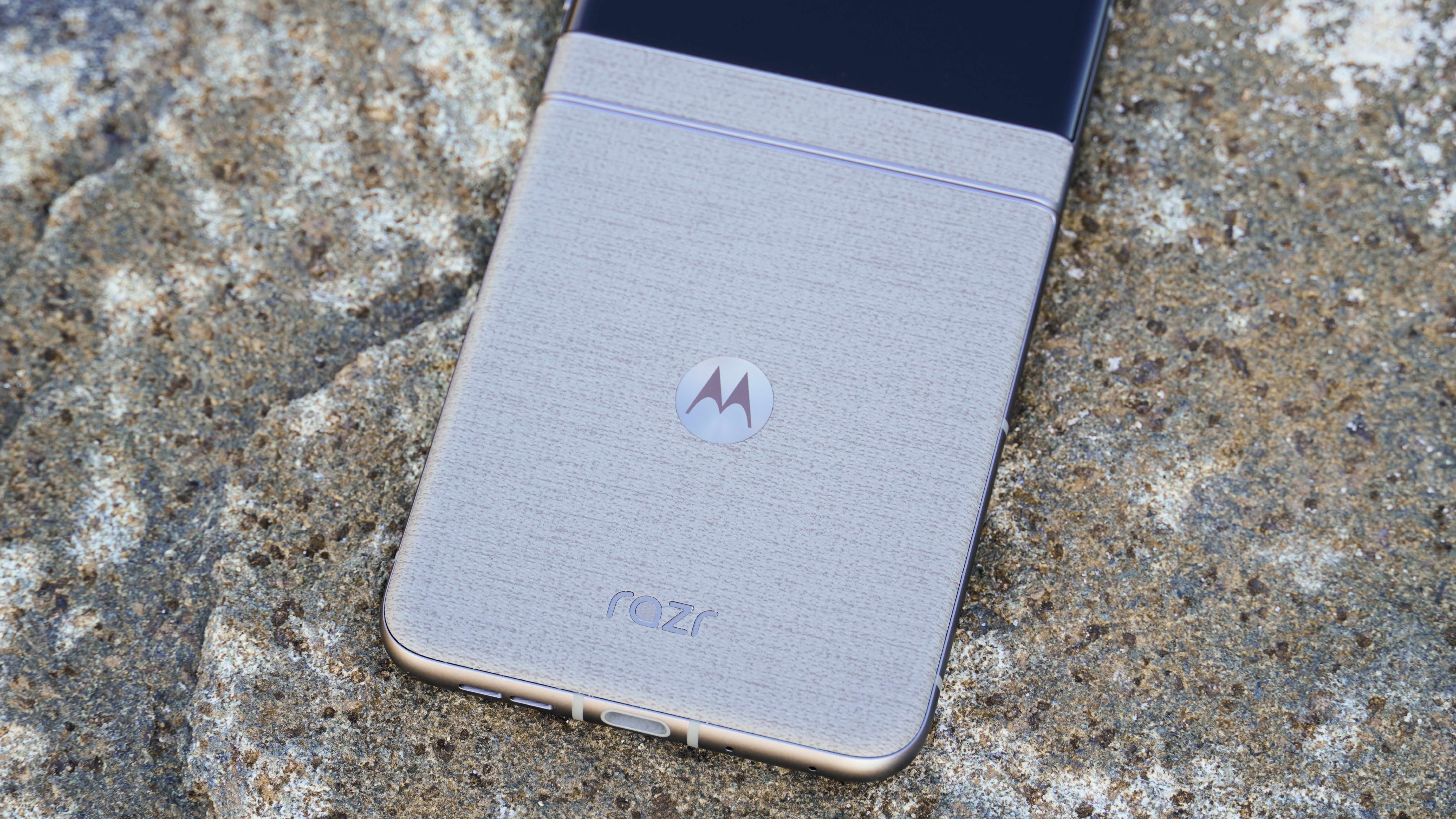
The sentiment surrounding this leak is one of cautious optimism. For several years, the "base" Razr felt like it was playing catch-up, offering just enough to be relevant but never quite reaching its full potential. The 2026 version was described by many as a "decent" foldable, but it lacked the "wow factor" that defined the original Razr’s legacy. With the 2027 model, Motorola appears to be "finally doing the work" required to make the standard Razr a no-compromise device.
However, design and hardware are only two parts of the equation. Software longevity remains a significant hurdle for Motorola. While industry giants like Google and Samsung have moved toward a transformative seven-year promise for OS upgrades and security patches, Motorola’s current trajectory for the Razr 2027 suggests a more modest commitment. The report indicates that the device may only receive three years of major OS upgrades and five years of security patches. In an era where consumers are holding onto their phones longer and sustainability is a growing concern, this shorter support window could be a dealbreaker for some potential buyers.
Privacy and the GrapheneOS Partnership
Perhaps the most intriguing aspect of Motorola’s 2027 roadmap is its burgeoning partnership with GrapheneOS. Known for its "privacy-first" approach, GrapheneOS is a hardened operating system that strips away many of the tracking and data-collection elements typically found in mobile software.
Motorola has indicated that GrapheneOS will be arriving on a selection of its 2027 handsets. While the rollout is expected to prioritize the brand’s traditional flagship "slab" phones, foldables are reportedly on the list for later inclusion. However, there is a catch: the leak suggests that GrapheneOS support might be exclusive to the high-end Razr Ultra and the rumored "Razr Fold" (a larger, book-style foldable). If the base Razr 2027 is excluded from this privacy-focused initiative, it could further widen the gap between the standard and premium tiers of Motorola’s lineup.
As we look toward CES 2027, the stakes for Motorola could not be higher. The foldable market is no longer a niche playground for early adopters; it is a cutthroat segment where design, durability, and software support are scrutinized more than ever. If the rumors regarding the 4-inch cover display, 5,000mAh battery, and corrected storage tiers prove accurate, the Motorola Razr 2027 could very well be the device that finally brings the flip-phone revolution to the mainstream. For now, the tech world waits to see if Motorola can deliver on these promises and truly challenge the status quo of the foldable industry.
 Mobile Device Management (MDM) & Mobile OS
Samsung Announces US Launch for Galaxy Buds On: A Deep Dive into the Tech Giant’s First Open-Ear Clip-On Earbuds
In a strategic move that signals a significant shift in its wearable...
 Mobile Device Management (MDM) & Mobile OS
Amazon Slashes Price of Alexa Tablet 8 to Under £100 in Aggressive Early Black Friday Promotion
The landscape of consumer technology in 2026 has been defined by a...
 Mobile Device Management (MDM) & Mobile OS
Xiaomi 18 Pro Confirmed to Feature Advanced Smart Privacy Display Technology
As the global smartphone market continues to shift its focus toward specialized...