Moto’s Finally Doing Work
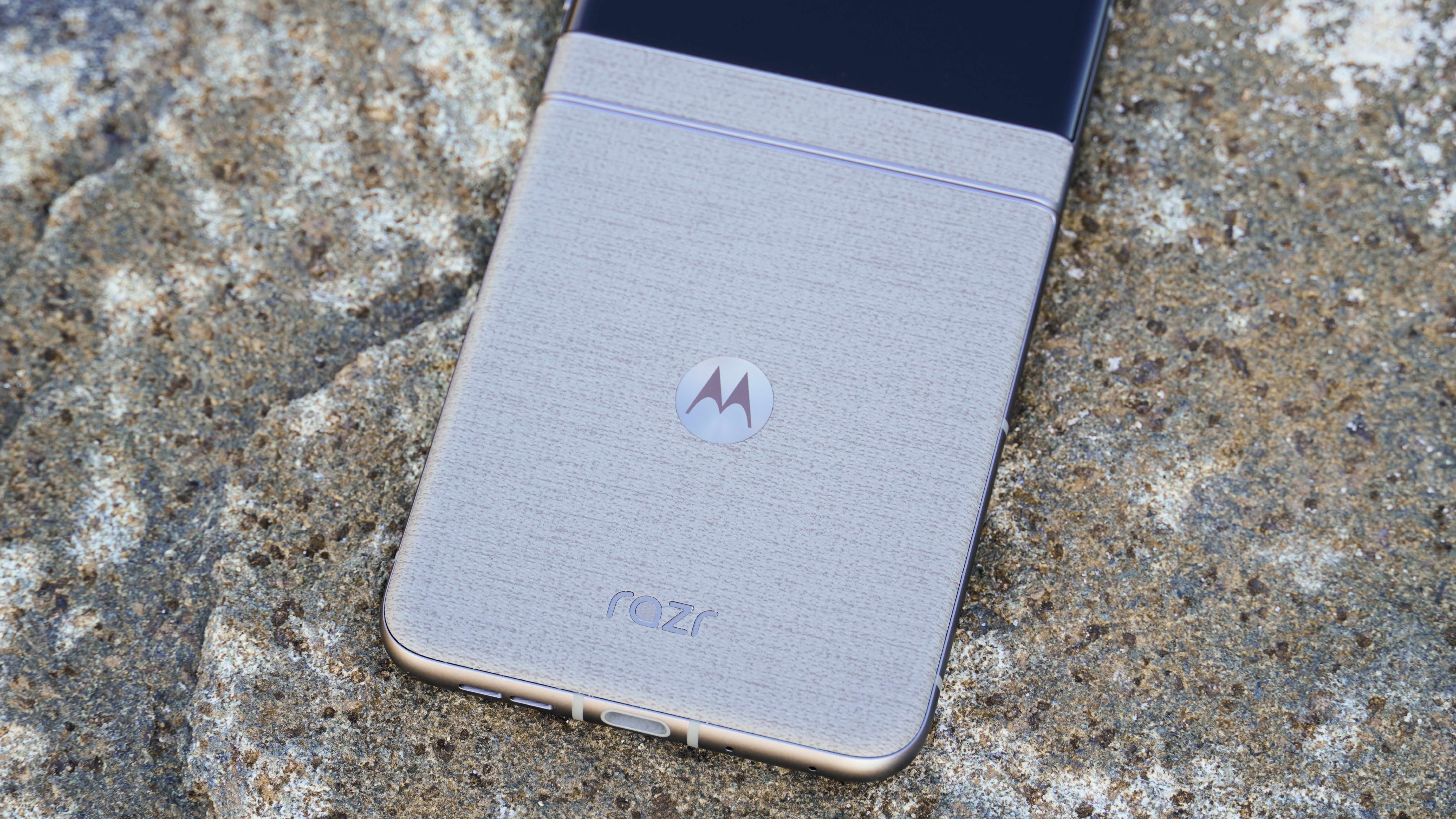
The sentiment surrounding this leak is one of cautious optimism. For several years, the "base" Razr felt like it was playing catch-up, offering just enough to be relevant but never quite reaching its full potential. The 2026 version was described by many as a "decent" foldable, but it lacked the "wow factor" that defined the original Razr’s legacy. With the 2027 model, Motorola appears to be "finally doing the work" required to make the standard Razr a no-compromise device.
However, design and hardware are only two parts of the equation. Software longevity remains a significant hurdle for Motorola. While industry giants like Google and Samsung have moved toward a transformative seven-year promise for OS upgrades and security patches, Motorola’s current trajectory for the Razr 2027 suggests a more modest commitment. The report indicates that the device may only receive three years of major OS upgrades and five years of security patches. In an era where consumers are holding onto their phones longer and sustainability is a growing concern, this shorter support window could be a dealbreaker for some potential buyers.
Privacy and the GrapheneOS Partnership
Perhaps the most intriguing aspect of Motorola’s 2027 roadmap is its burgeoning partnership with GrapheneOS. Known for its "privacy-first" approach, GrapheneOS is a hardened operating system that strips away many of the tracking and data-collection elements typically found in mobile software.
Motorola has indicated that GrapheneOS will be arriving on a selection of its 2027 handsets. While the rollout is expected to prioritize the brand’s traditional flagship "slab" phones, foldables are reportedly on the list for later inclusion. However, there is a catch: the leak suggests that GrapheneOS support might be exclusive to the high-end Razr Ultra and the rumored "Razr Fold" (a larger, book-style foldable). If the base Razr 2027 is excluded from this privacy-focused initiative, it could further widen the gap between the standard and premium tiers of Motorola’s lineup.
As we look toward CES 2027, the stakes for Motorola could not be higher. The foldable market is no longer a niche playground for early adopters; it is a cutthroat segment where design, durability, and software support are scrutinized more than ever. If the rumors regarding the 4-inch cover display, 5,000mAh battery, and corrected storage tiers prove accurate, the Motorola Razr 2027 could very well be the device that finally brings the flip-phone revolution to the mainstream. For now, the tech world waits to see if Motorola can deliver on these promises and truly challenge the status quo of the foldable industry.
 Mobile Device Management (MDM) & Mobile OS
Samsung Expands U.S. Ecosystem with Official Launch of Galaxy SmartTag 3 and Open-Ear Galaxy Buds On
Samsung has officially bolstered its presence in the American wearables and accessories...
 Mobile Device Management (MDM) & Mobile OS
Amazon Slashes Samsung Galaxy S26 Ultra Price by $450 Following Recent Market Adjustments
In a surprising turn of events for the mobile industry, the Samsung...
 Mobile Device Management (MDM) & Mobile OS
TOPDON Announces Significant Black Friday Discounts on Automotive Diagnostic Tools and Winter Emergency Equipment
As the winter season approaches, bringing with it plummeting temperatures and unpredictable...