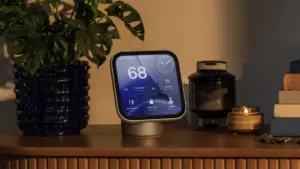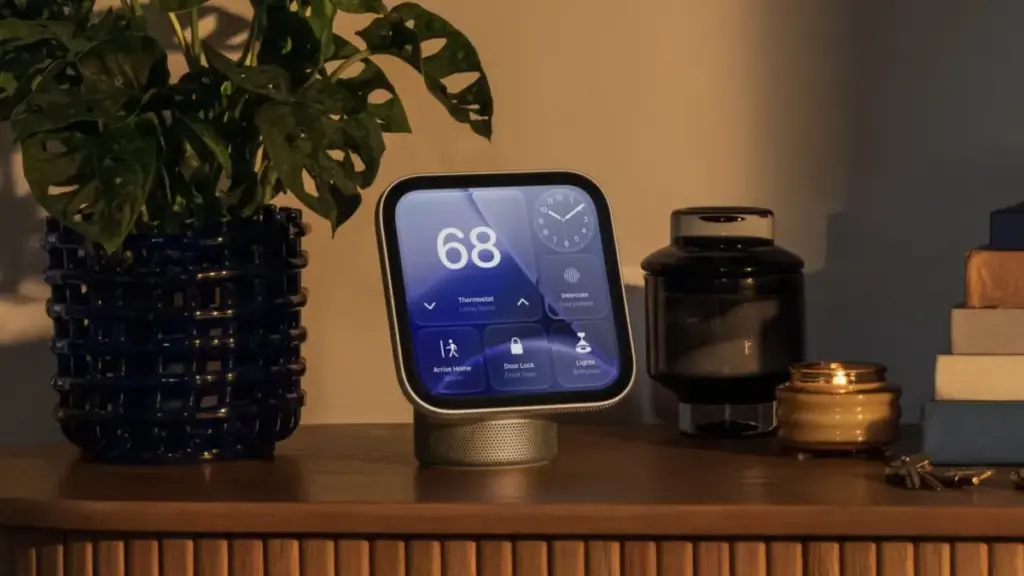
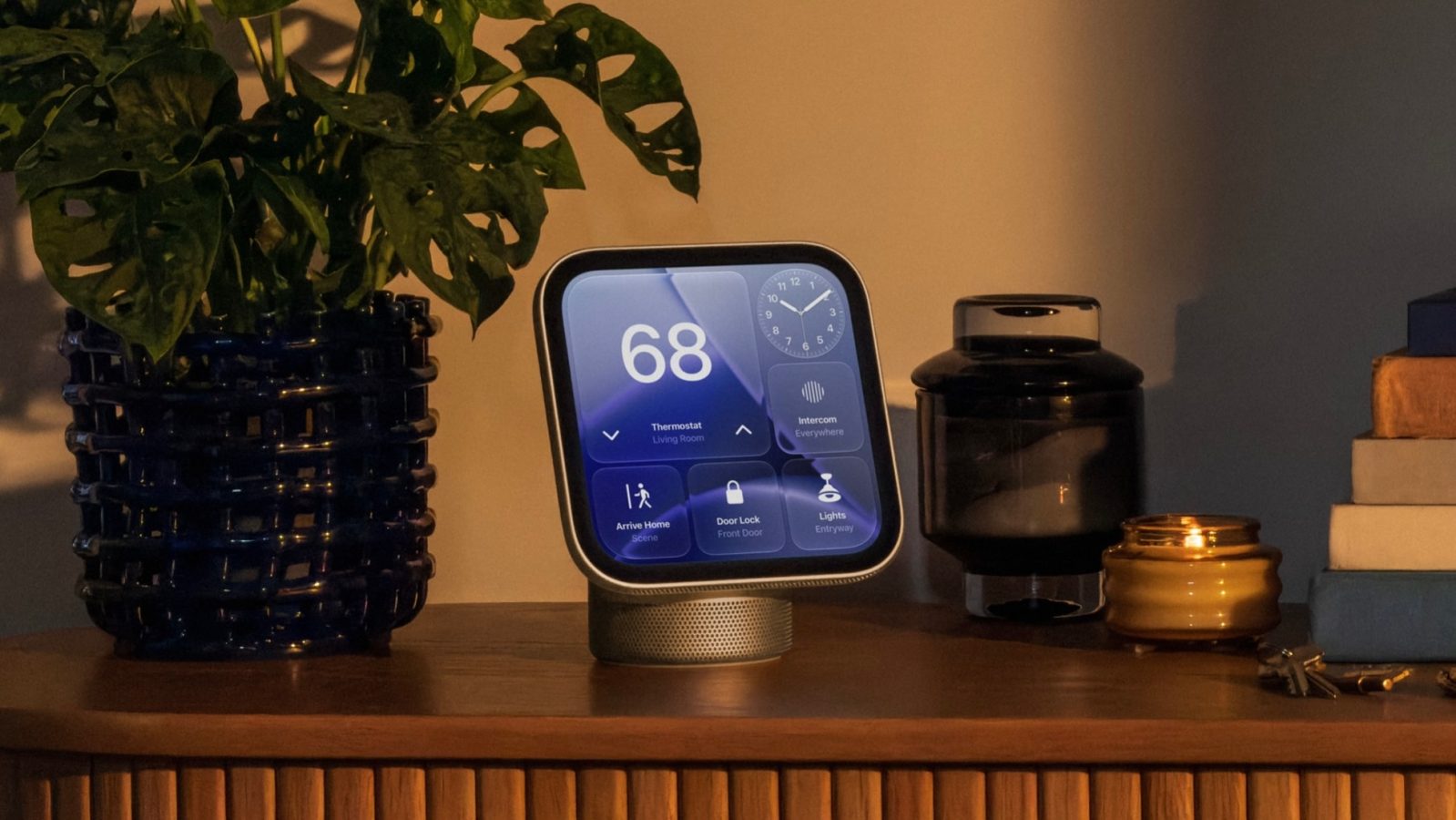
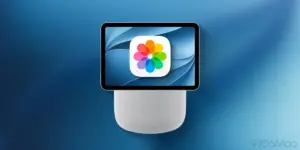
The landscape of Apple’s smart home ecosystem is on the verge of a significant expansion, as new evidence suggests the company’s long-rumored smart display, tentatively known as HomeView, will serve a dual purpose. Beyond acting as a central command center for HomeKit-enabled devices, newly discovered code indicates that the hardware will be equipped to function as a fully integrated HomeKit security camera.
The discovery was made by noted code sleuther pdfu, who has a track record of unearthing hidden features within Apple’s software builds. By digging into the latest iterations of the software powering the device, specifically version 27.2, the researcher found a suite of options that transform the HomeView from a passive informational display into an active participant in home security. This development marks a pivotal step in Apple’s strategy to compete more directly with established players in the smart display market, such as Amazon’s Echo Show and Google’s Nest Hub, both of which have long utilized integrated cameras for security monitoring.
Streaming and recording video from HomeView
According to the findings within the HomeView software 27.2, Apple is preparing a comprehensive set of controls for the device’s built-in camera. The code reveals that users will have the ability to toggle between two primary modes: live streaming and recording. These features are designed to integrate seamlessly with the existing HomeKit Secure Video framework, which provides end-to-end encryption for video footage stored in iCloud.
The flexibility of the security feature is highlighted by its situational settings. The software allows users to define exactly when the camera should be active based on the "state" of the home. Specifically, either streaming or recording can be configured to trigger automatically based on three primary conditions: when the user is home, when the user is away, or when the household is asleep.
This level of automation suggests that HomeView will utilize Apple’s existing location-based triggers. For instance, when the last person leaves the house—detected via the geofencing capabilities of their iPhone or Apple Watch—the HomeView could automatically transition from a digital photo frame or control panel into a high-definition security monitor. Conversely, the "asleep" setting implies an integration with Apple’s Sleep Focus modes, allowing the device to act as a night-watchman that only begins recording if it detects motion during designated rest hours.
By embedding these features directly into the display, Apple effectively eliminates the need for users to purchase a separate standalone security camera for the room where the HomeView is located. This "all-in-one" approach not only reduces clutter but also centralizes the smart home experience within a single piece of hardware.
Strong privacy protections and ethical design
As with all Apple products, the implementation of a camera within a living space brings immediate questions regarding privacy and data security. The findings in the 27.2 software build suggest that Apple is taking a proactive, multifaceted approach to ensure that the security features do not become a tool for unwanted surveillance.
 Smart Home & IoT Solutions
Abode Expands Apple Home Ecosystem with New Long-Range Garage Tilt and Ruggedized Outdoor Sensors
The landscape of DIY smart home security is undergoing a significant shift...
 Smart Home & IoT Solutions
Report: Apple ‘HomeView’ smart home hub will ship in November, come in four colors, A18 chip
The "HomeView" branding appears designed to sit naturally alongside Apple’s existing smart...
 Smart Home & IoT Solutions
Controller for HomeKit Introduces Natural Language AI to Simplify Complex Smart Home Automations
The promise of the modern smart home has always been one of...