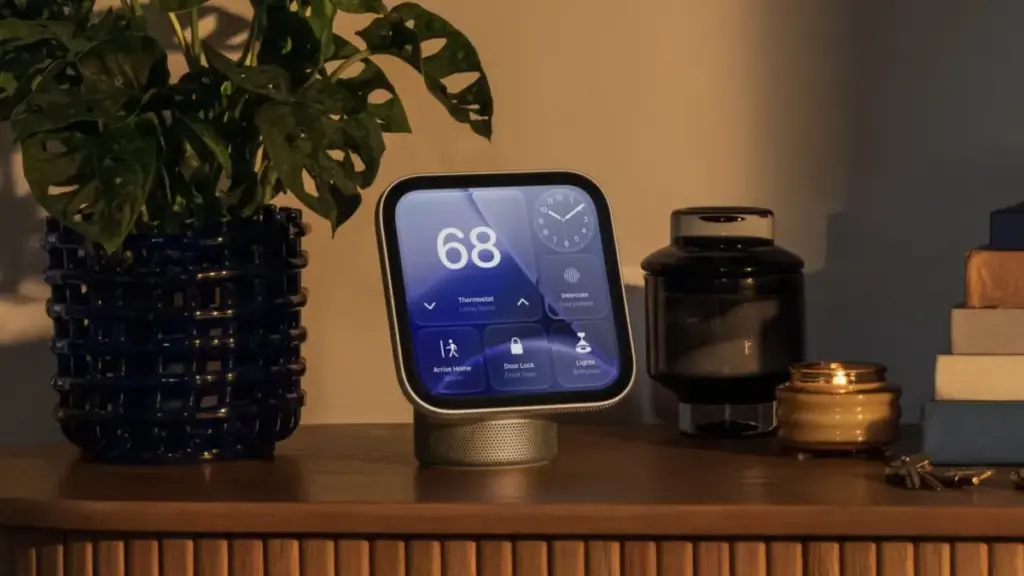
The landscape of Apple’s smart home ecosystem is on the verge of a significant expansion, as new evidence suggests the company’s long-rumored smart display, tentatively known as HomeView, will serve a dual purpose. Beyond acting as a central command center for HomeKit-enabled devices, newly discovered code indicates that the hardware will be equipped to function as a fully integrated HomeKit security camera.
The discovery was made by noted code sleuther pdfu, who has a track record of unearthing hidden features within Apple’s software builds. By digging into the latest iterations of the software powering the device, specifically version 27.2, the researcher found a suite of options that transform the HomeView from a passive informational display into an active participant in home security. This development marks a pivotal step in Apple’s strategy to compete more directly with established players in the smart display market, such as Amazon’s Echo Show and Google’s Nest Hub, both of which have long utilized integrated cameras for security monitoring.
Streaming and recording video from HomeView
According to the findings within the HomeView software 27.2, Apple is preparing a comprehensive set of controls for the device’s built-in camera. The code reveals that users will have the ability to toggle between two primary modes: live streaming and recording. These features are designed to integrate seamlessly with the existing HomeKit Secure Video framework, which provides end-to-end encryption for video footage stored in iCloud.
The flexibility of the security feature is highlighted by its situational settings. The software allows users to define exactly when the camera should be active based on the "state" of the home. Specifically, either streaming or recording can be configured to trigger automatically based on three primary conditions: when the user is home, when the user is away, or when the household is asleep.
This level of automation suggests that HomeView will utilize Apple’s existing location-based triggers. For instance, when the last person leaves the house—detected via the geofencing capabilities of their iPhone or Apple Watch—the HomeView could automatically transition from a digital photo frame or control panel into a high-definition security monitor. Conversely, the "asleep" setting implies an integration with Apple’s Sleep Focus modes, allowing the device to act as a night-watchman that only begins recording if it detects motion during designated rest hours.
By embedding these features directly into the display, Apple effectively eliminates the need for users to purchase a separate standalone security camera for the room where the HomeView is located. This "all-in-one" approach not only reduces clutter but also centralizes the smart home experience within a single piece of hardware.
Strong privacy protections and ethical design
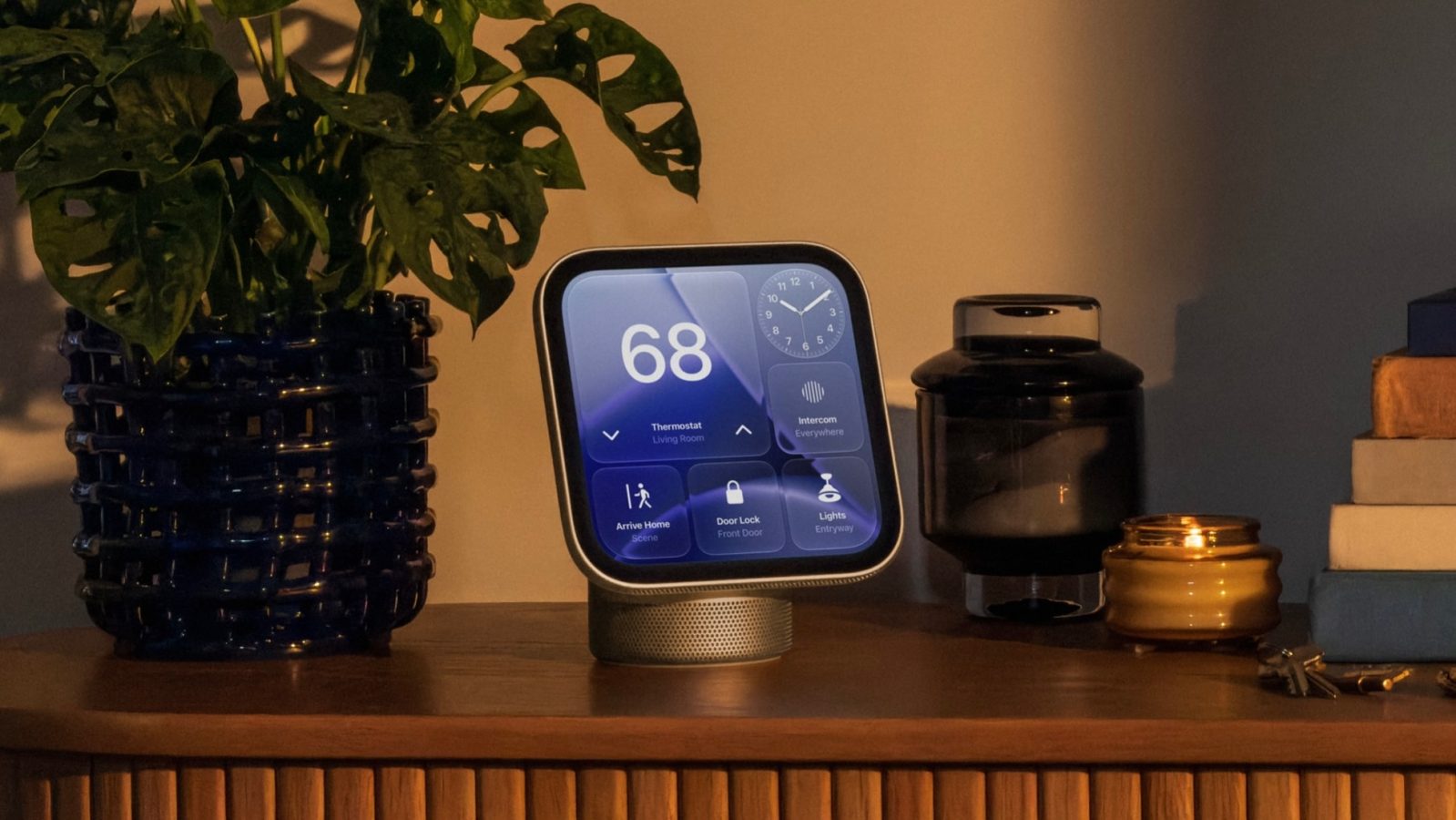
As with all Apple products, the implementation of a camera within a living space brings immediate questions regarding privacy and data security. The findings in the 27.2 software build suggest that Apple is taking a proactive, multifaceted approach to ensure that the security features do not become a tool for unwanted surveillance.
To address the potential for "stealth" recording, Apple has implemented several hardware and software cues. When the security camera feature is actively streaming or recording, a physical indicator light on the display will illuminate. This follows the design language seen on MacBooks and iPhones, where a green dot signifies camera usage. Furthermore, the HomeView will emit a distinct audible chime or sound to alert anyone in the room that the camera has been activated.
Beyond visual and auditory alerts, Apple is leveraging the connectivity of the Home app to keep all residents informed. Whenever the camera is accessed, every member of the "Home" sharing group will receive a notification on their personal devices. This transparency ensures that no single user can monitor the household without the knowledge of others, a move that aligns with Apple’s broader commitment to user privacy and consent.
Perhaps the most significant privacy feature discovered in the code is a restriction on remote activation. The software indicates that if any registered home members are detected as being physically present in the house, the security camera cannot be turned on remotely from an iPhone or iPad. In such cases, the camera can only be activated through physical interaction with the HomeView device itself.
This specific safeguard appears to be a deliberate effort to combat "stalking" and domestic abuse. By preventing a user from remotely "dropping in" on a camera while others are at home, Apple is mitigating the risk of the device being used to covertly spy on partners or family members. It is a sophisticated piece of ethical engineering that recognizes the potential for smart home technology to be weaponized in domestic settings.
The technical foundation of HomeView security
While the leaked code focuses on settings and privacy, the underlying technology required for these features is likely rooted in Apple’s custom silicon. For the HomeView to handle real-time video analysis—such as distinguishing between a pet and a human or recognizing specific faces—it will require a processor capable of handling the Neural Engine tasks currently found in the A-series or M-series chips.
By performing this analysis on-device, Apple maintains its stance on data privacy. Unlike competitors that may rely on cloud-based processing to identify motion or faces, Apple’s HomeKit Secure Video typically processes the video locally on a "Home Hub" (like a HomePod or Apple TV) before encrypting it and uploading it to iCloud. With HomeView, the display itself would likely act as its own hub, providing the necessary horsepower to keep sensitive data within the walls of the home.
The integration with HomeKit Secure Video also means that users will likely benefit from features like Activity Zones, which allow users to mask out high-traffic areas (like a busy street visible through a window) to prevent false motion alerts. Because the device is intended to be placed on shelves or mounted on walls in high-traffic areas like kitchens or living rooms, these granular controls will be essential for a functional security experience.

A strategic shift for Apple’s Home Hardware
The inclusion of security camera functionality represents a shift in how Apple views its home hardware. For years, the company’s presence in the home was limited to the Apple TV and the HomePod—devices that focused on entertainment and audio. The HomeView represents a move toward a more utility-focused ecosystem.
For consumers, the value proposition of the HomeView increases significantly with these revelations. A high-end smart display that also serves as a premium security camera, a HomeKit hub, and a FaceTime station is a much easier sell than a simple tablet-on-a-stand. By bundling these features, Apple is creating a "centerpiece" device that justifies a premium price point while reinforcing the "walled garden" of the Apple ecosystem.
Furthermore, this move could pressure third-party HomeKit camera manufacturers. If Apple provides a first-party solution that is deeply integrated into the OS and offers superior privacy protections, users may opt for the HomeView over third-party alternatives from brands like Eve, Circle, or Arlo. However, it also sets a new gold standard for privacy that other manufacturers may be forced to emulate.
Future implications and market reception
As the smart home market matures, the demand for devices that respect user boundaries while providing high-end functionality is at an all-time high. The discovery of these features in the 27.2 software build suggests that Apple is not just building a smart display, but a sophisticated security node that prioritizes the safety and privacy of the people living with it.
While Apple has yet to officially announce the HomeView or its release date, the presence of such detailed settings in the software indicates that the product is well into its development cycle. The focus on privacy-first security is likely to be a major talking point when the device eventually makes its debut, potentially setting it apart in a crowded market where "always-on" cameras are often viewed with skepticism.
The addition of the security camera functionality makes the HomeView a more versatile and appealing device for anyone looking to consolidate their smart home tech. With its combination of automated recording states, hardware-level privacy indicators, and ethical safeguards against domestic spying, Apple appears to be crafting a device that is as much about peace of mind as it is about convenience. As more details emerge from software sleuthing and official announcements, the HomeView is shaping up to be the most ambitious piece of home hardware Apple has ever produced.
 Smart Home & IoT Solutions
Apple Intelligence in the Home: New AI Security Features to Require 2TB iCloud+ Subscription
As Apple continues to integrate its sophisticated "Apple Intelligence" framework across its...
 Smart Home & IoT Solutions
Apple Intelligence in the Home: New Smart Camera Features to Require 2TB iCloud+ Subscription
As Apple continues to integrate its sophisticated "Apple Intelligence" framework across its...
 Smart Home & IoT Solutions
SwitchBot Expands Smart Home Ecosystem with Launch of Lock Vision and Lock Vision Pro Featuring 3D Facial Recognition and Matter Support
In the rapidly evolving landscape of smart home security, the quest for...