
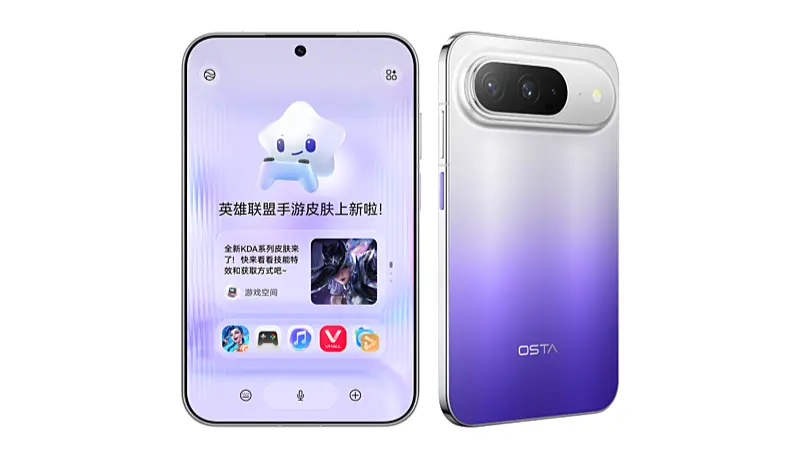
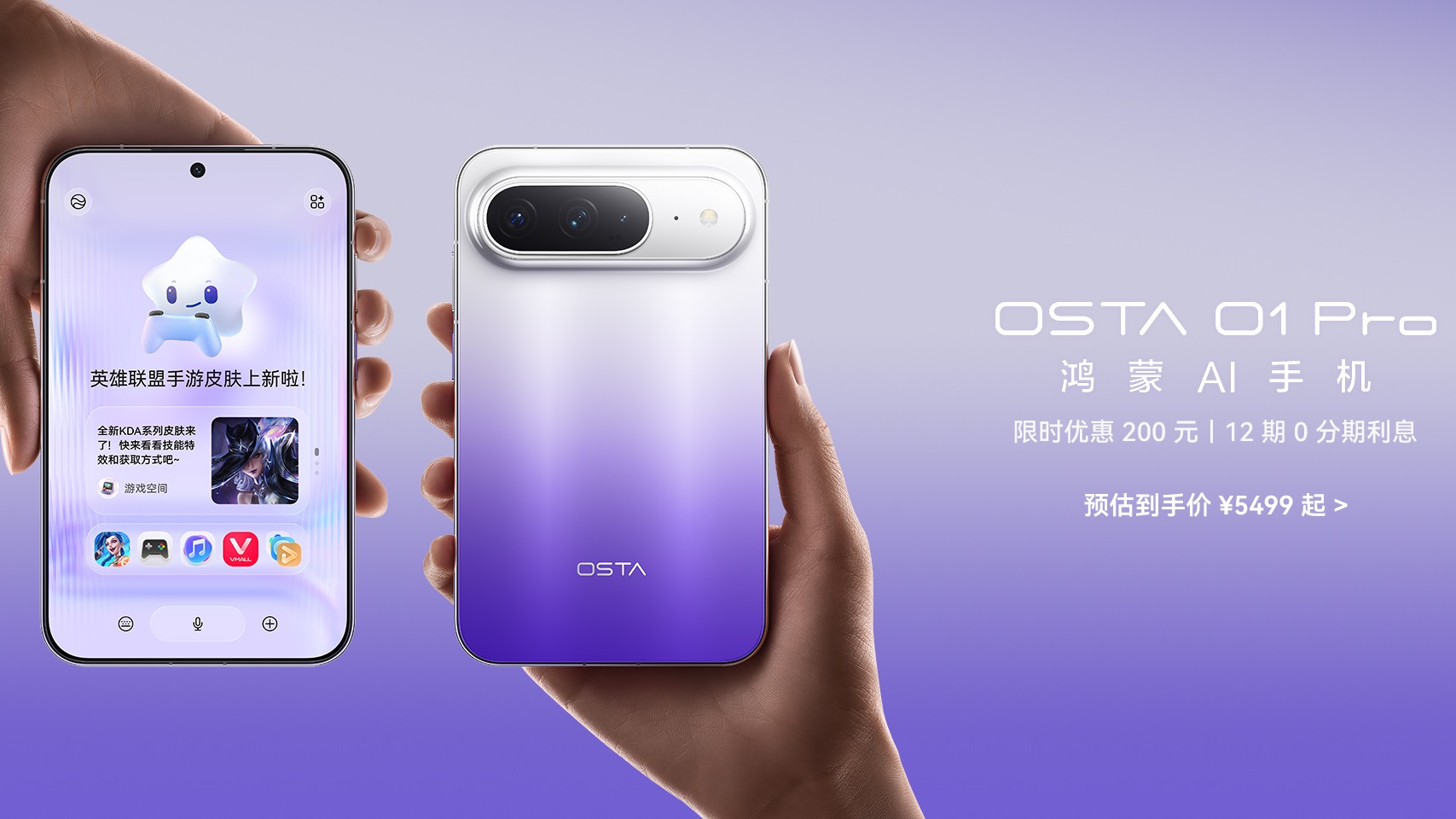
The global smartphone market, often characterized by a relentless drive toward taller and narrower form factors, has witnessed a significant disruption this week. Following a series of leaks and industry speculation that surfaced last week, Huawei has officially pulled back the curtain on its newest venture: a dedicated sub-brand named OSTA. Accompanying this brand debut is the launch of its inaugural device, the OSTA O1 Pro, a smartphone that defies modern design conventions with a distinctly wide-screen silhouette.
The OSTA O1 Pro has officially moved from the realm of rumor to reality, appearing today on Huawei’s VMALL e-commerce platform in China. The device represents a strategic pivot for the tech giant, introducing a new aesthetic language and hardware philosophy that sits alongside Huawei’s existing premium Mate and Pura lines. While many manufacturers have spent the last decade perfecting the "candy bar" shape to facilitate one-handed use, OSTA appears to be targeting a different demographic—one that prioritizes screen real estate, multitasking, and a unique ergonomic feel.
A Departure in Design: The Wide-Screen Philosophy
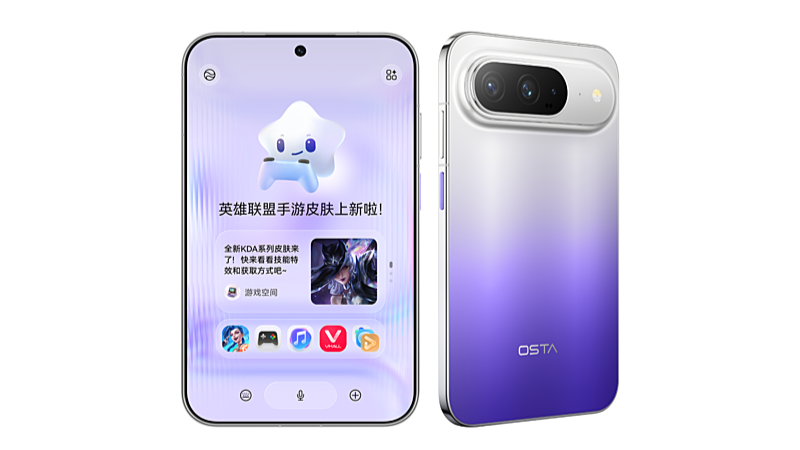
The most immediate and striking feature of the OSTA O1 Pro is its physical dimensions. In an era where 21:9 aspect ratios have become common, the O1 Pro opts for a "stout" and "wide" form factor. This design choice is not merely an aesthetic quirk; it represents a fundamental rethinking of how a mobile display can be utilized. Early impressions suggest a device that looks somewhat like a compressed or "fat" version of a modern flagship, offering a broader canvas that feels more akin to a small tablet or a digital notepad than a traditional phone.
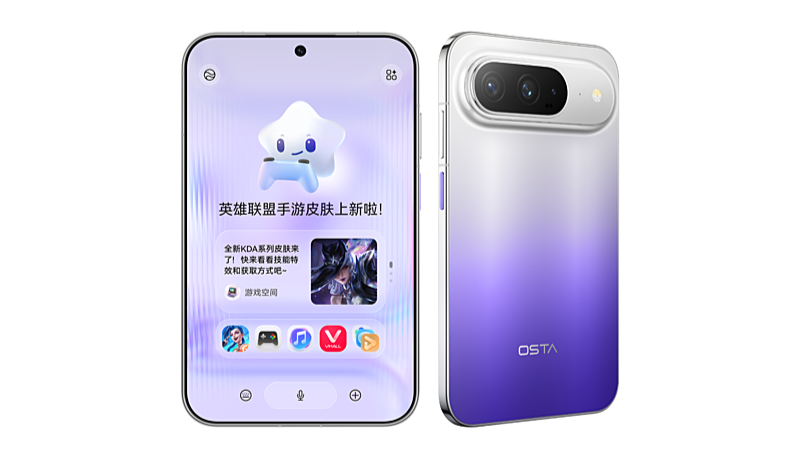
This wide-screen approach addresses several long-standing pain points for power users. A wider display naturally facilitates a more comfortable typing experience, allowing for a larger virtual QWERTY keyboard with less cramped keys. Furthermore, for users who frequently engage in split-screen multitasking, the additional horizontal width provides a more usable environment for running two apps side-by-side. While the original reporting notes that it resembles a more compact, non-folding version of the stoutness found in devices like the Samsung Galaxy Fold series, the O1 Pro achieves this without the mechanical complexity or price premium of a foldable hinge.
Despite its unusual width, the OSTA O1 Pro is designed with portability in mind. The form factor is intended to sit comfortably in the palm of the hand, providing a secure grip that taller, more top-heavy phones often lack. Additionally, the shorter vertical height may allow the device to fit more easily into standard pockets, avoiding the "pocket peek" common with the oversized "Ultra" models currently dominating the market.
Technical Specifications and Performance
Under the hood, the OSTA O1 Pro is positioned as a high-performance mid-range contender, utilizing hardware that balances efficiency with raw power. The device is equipped with a 6.39-inch display featuring a 120Hz refresh rate. This high refresh rate ensures that the unique wide-screen interface remains fluid, whether the user is scrolling through social media feeds or navigating complex productivity suites.
Powering the O1 Pro is the Kirin 9030S chipset. This is a significant inclusion, as it is the same silicon found in the standard Huawei Pura 90. By utilizing this proprietary chipset, OSTA benefits from Huawei’s deep integration between hardware and software, potentially offering better battery optimization and thermal management than off-the-shelf alternatives. The Kirin 9030S has already proven itself as a capable performer in the upper-mid-range segment, providing enough horsepower for intensive gaming and seamless multitasking.
To support its multitasking ambitions, the OSTA O1 Pro offers generous memory and storage configurations. The base model starts with 12GB of RAM and 256GB of internal storage. For those requiring even more overhead, higher-tier variants offer up to 16GB of RAM and a massive 1TB of storage. This level of specification suggests that OSTA is not positioning the O1 Pro as a budget alternative, but rather as a serious tool for creators and professionals who require significant local storage for high-resolution media and applications.
Imaging and Multimedia Capabilities
The camera system on the OSTA O1 Pro is headlined by a massive 200MP main sensor. In recent years, high-megapixel sensors have become a battleground for smartphone manufacturers, promising improved detail and better low-light performance through pixel-binning technology. By opting for a 200MP primary shooter, OSTA is signaling that the O1 Pro is a serious contender for mobile photography enthusiasts.
Complementing the main sensor is a 50MP telephoto lens, designed to provide high-quality zoomed shots without the significant loss of detail associated with digital zoom. However, the device’s camera array is notable for what it lacks: there appears to be no dedicated ultra-wide or macro lens. This suggests a streamlined approach to photography, focusing on high-quality standard and zoomed images rather than a "kitchen sink" approach to lens variety. On the front, the device caters to the selfie-conscious and remote workers with a 50MP front-facing camera, ensuring high-definition video calls and self-portraits.
Power Management and Charging
Perhaps one of the most impressive aspects of the OSTA O1 Pro is its endurance. The device is powered by a 7,000mAh battery, a capacity that significantly exceeds the 5,000mAh standard found in most modern flagships. This large cell is likely a byproduct of the wider chassis, which provides more internal volume for battery placement. For users who struggle to make it through a full day of heavy use, the O1 Pro offers a compelling solution.
To keep this massive battery topped up, the O1 Pro supports 66W SuperCharge technology. While not the absolute fastest charging speed on the market, it provides a practical balance between charging velocity and battery longevity. The device also supports 50W wireless charging, a premium feature that is often omitted from mid-range handsets. Furthermore, the O1 Pro includes 5W wired reverse charging, allowing users to use the phone’s massive battery to provide an emergency power boost to accessories like wireless earbuds or even other smartphones.
Pricing, Colors, and Availability
The OSTA O1 Pro is launching in three distinct colorways: Starry Night Black, Nebula White, and Starlight Purple. It should be noted that the Starlight Purple option is reserved for the premium configurations featuring 16GB of RAM and either 512GB or 1TB of storage.
Pricing for the OSTA O1 Pro starts at 5,699 CNY for the entry-level model. When converted to Western currencies, this puts the device at approximately $855 or £650. This pricing strategy places the O1 Pro in the "premium mid-range" or "sub-flagship" category, competing with devices that offer flagship-level features at a slightly more accessible price point.
The Global Outlook: Will Wide-Screen Phones Reach the West?
While the OSTA O1 Pro presents an intriguing new direction for smartphone design, its availability outside of China remains a significant question mark. The current geopolitical climate and ongoing trade restrictions have fundamentally altered Huawei’s international business strategy. Following the 2022 US government ban and subsequent limitations on access to key technologies and software ecosystems, Huawei has largely retreated from the US market.

The situation in the United Kingdom and Europe is similarly constrained. While Huawei maintains a presence, its mobile offerings have become increasingly rare. A glance at the Huawei UK website reveals a focus on high-end niche products like the Mate XT Ultimate Design and the Mate X6 foldable, neither of which are readily available for direct purchase through the store. Given these hurdles, it is unlikely that the OSTA O1 Pro will see an official release in Western markets in the near future.
However, the OSTA O1 Pro may still influence the global market indirectly. The smartphone industry is famously reactive; if the wide-screen format proves to be a hit with Chinese consumers, other manufacturers with a global footprint may take notice. We have seen similar trends in the past, where experimental designs in the Chinese market—such as pop-up cameras or ultra-fast charging—eventually made their way into global products.
The OSTA O1 Pro represents a bold experiment in a market that has become increasingly homogenized. By prioritizing width over height and battery capacity over thinness, OSTA is offering a genuine alternative to the status quo. Whether this "wide-screen" revolution gains traction remains to be seen, but for now, the OSTA O1 Pro stands as one of the most unique and technically interesting releases of the year. For those in China, the device is available for order now, marking the beginning of what could be a significant new chapter for Huawei and its burgeoning sub-brand ecosystem.
 Mobile Device Management (MDM) & Mobile OS
Oppo Reno 17 Series Leaks Reveal Massive Battery Upgrades and Surprising Display Sizes Ahead of Official Launch
Oppo is preparing to refresh its popular mid-range lineup once again, with...
 Mobile Device Management (MDM) & Mobile OS
OnePlus Accelerates Software Roadmap with Early Release of Stable ColorOS 17 for OnePlus 15 and OnePlus Pad 4
In a move that has surprised both industry analysts and the brand’s...
 Mobile Device Management (MDM) & Mobile OS
Motorola Signals Potential Revival of Moto One Series Following Recent Regulatory Filings
Motorola appears to be reaching into its archives to breathe new life...







