
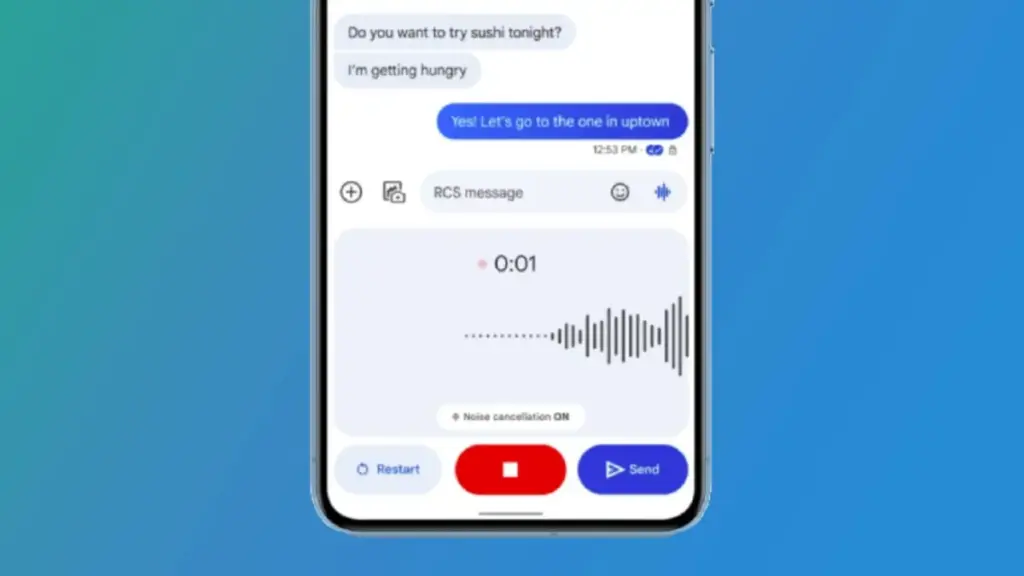
Google Messages has undergone a radical transformation over the last few years, evolving from a basic SMS client into a sophisticated, feature-rich communication platform. As the primary vehicle for Rich Communication Services (RCS) on Android, the app is frequently the subject of intense development cycles. Recent discoveries within the application’s code suggest that Google is currently preparing to roll out two major updates aimed at streamlining the user experience: a complete overhaul of voice note playback and a significant expansion of the chat pinning system.
These potential changes, discovered through technical analysis of the latest application packages, address some of the most persistent "pain points" reported by the global user base. While Google has not yet officially announced these features, their presence in the beta versions of the app indicates that the company is prioritizing quality-of-life improvements that bring Google Messages closer to the functionality offered by dedicated third-party messaging giants like WhatsApp and Telegram.
Enhancing the Voice Messaging Experience
The first major area of improvement centers on how the application handles audio files and voice notes. For many users, voice messaging has become a preferred method of communication, offering a more personal touch than text while remaining more convenient than a real-time phone call. However, the current implementation in Google Messages has a notable limitation that frequently frustrates multitaskers: the interruption of playback when navigating the app’s interface.
As reported by Android Authority during a recent APK teardown, Google is working to rectify a specific issue regarding audio continuity. Currently, while a user can listen to a voice note or audio file while switching to an entirely different application, the audio stops abruptly if the user attempts to leave the specific chat window to return to the main conversation list. This creates a disjointed experience for those who wish to listen to a lengthy voice memo from one contact while simultaneously reading or responding to messages from another.
The upcoming update appears to enable persistent audio playback. Once implemented, this feature will allow users to trigger a voice note and then freely navigate back to their full list of conversations without the audio cutting out. This shift suggests a move toward a "media player" philosophy within the app, where audio is treated as a background task rather than a foreground requirement of a specific chat thread.
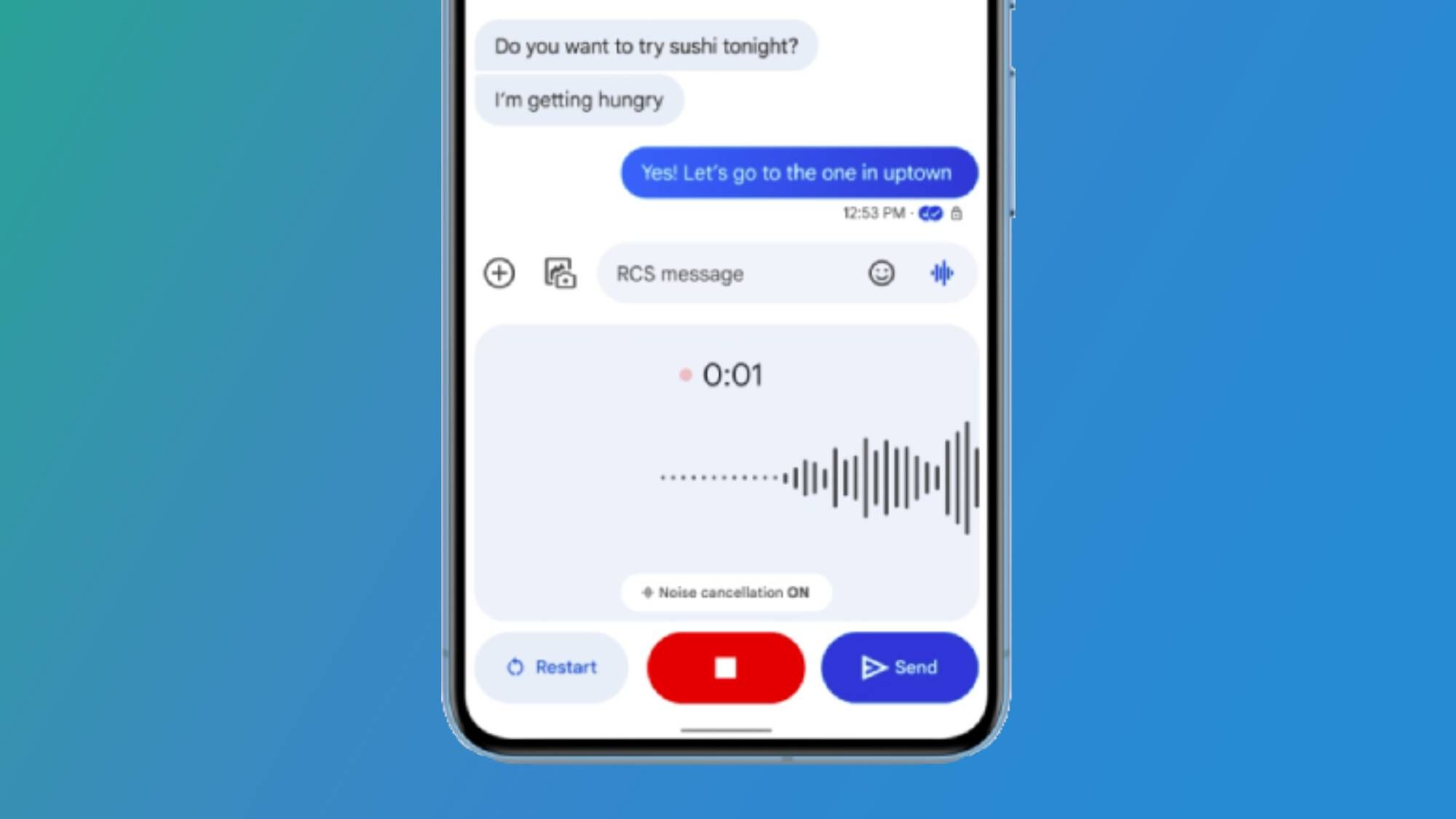
In tandem with this continuity improvement, Google is also refining how users control their audio once they have moved away from the chat window. The technical teardown revealed the development of new playback control buttons within the Android notification center. These controls are expected to include standard play and pause icons, as well as forward and rewind buttons. Interestingly, the code suggests these skip buttons will support intervals ranging from 5 to 30 seconds, allowing users to quickly navigate through long recordings to find specific information without having to manually scrub through a progress bar.
Beyond functionality, the visual language of voice messaging is also slated for a refresh. For some time, Google Messages has utilized a wave-like symbol to represent voice notes. New findings suggest this may be replaced by a standard microphone icon. While a microphone is a more universal symbol for recording, some industry observers note that it could potentially be confused with the speech-to-text (dictation) function already present in many keyboard apps. Despite this potential for minor confusion, the change aligns with a broader effort to standardize iconography across the Google ecosystem.
At last, no tight restrictions on chat pinning
The second major update focuses on organization and the way users prioritize their most important interactions. As digital communication increases, the main inbox of a messaging app can quickly become cluttered, buried under a deluge of one-time verification codes, promotional alerts, and group chats. To combat this, Google Messages has long offered a "pinning" feature, which allows users to keep specific conversations at the top of their list regardless of when the last message was received.
However, power users have long complained about the current restriction, which limits the number of pinned chats to just six. For those managing a mix of family, close friends, and work-related threads, six slots are often insufficient. According to findings in the latest Google Messages beta, the company is preparing to lift these long-standing restrictions and introduce a dynamic layout that adapts to the user’s organizational needs.
The proposed system involves an automatic layout change based on the number of conversations a user chooses to pin. If a user pins six or fewer chats, the app will maintain its current tile-based design—a visual style that uses larger, more prominent touch targets. However, should a user choose to pin a seventh conversation or more, the interface is expected to automatically switch to a list-based layout.
This list-based approach is a callback to an older version of the app’s design. Historically, the list layout allowed for up to 20 pinned conversations, providing a much higher degree of flexibility for users who need to track multiple active threads simultaneously. While the exact new limit has not been confirmed by the strings of code found in the teardown, the return to a list-based format strongly suggests that the capacity for pinned chats will be significantly expanded.
This move is particularly relevant as Google continues to push RCS as a viable alternative to Apple’s iMessage. With Apple recently integrating RCS support in iOS 18, the pressure is on Google to ensure that its own messaging client remains the gold standard for the protocol. Offering superior organizational tools is a key way to retain users who might otherwise be tempted by the organizational features of third-party alternatives.
The Broader Context of App Development
It is important to note that these features were discovered through an "APK teardown"—a process where developers and journalists decompile the latest version of an app to see what code Google is currently working on. Because these features are hidden behind "feature flags" and are not yet accessible to the general public, there is no definitive timeline for their release.
In the world of software development, features often enter the testing phase only to be delayed, reworked, or scrapped entirely if they do not meet stability or user experience standards. However, given the high demand for both continuous audio playback and expanded pinning capabilities, it is highly likely that these updates will eventually make their way to the stable version of Google Messages.
These developments represent a broader trend in Google’s strategy: the iterative improvement of core services. Rather than waiting for major Android OS updates to introduce new functionality, Google now uses the Play Store to ship frequent updates to Google Messages. This allows the company to respond quickly to user feedback and competitive pressures.
For the millions of users who rely on Google Messages daily, these quality-of-life upgrades promise a more fluid and customizable experience. Whether it is the ability to listen to a family member’s voice note while managing a busy inbox or the capacity to keep a dozen important threads within easy reach, Google is clearly signaling that it wants its messaging app to be more than just a utility—it wants it to be a sophisticated hub for all digital conversations.
As Google continues to refine the interface and backend of its messaging suite, the focus remains on closing the gap between traditional SMS and the modern, data-driven communication standards of the 21st century. If these features successfully transition from the beta phase to a general rollout, they will mark another significant milestone in the evolution of the Android messaging ecosystem.
 Mobile Device Management (MDM) & Mobile OS
Amazon Expands Smart Home Ecosystem with AI-Powered Echo Devices and High-Resolution Echo Show 16
In a significant expansion of its ambient intelligence ecosystem, Amazon has unveiled...
 Mobile Device Management (MDM) & Mobile OS
Google Releases Android 17 QPR3 Beta 3 Featuring Critical Security Fixes and the Return of App Lock
Google’s ambitious development cycle for Android 17 continues to move at a...
 Mobile Device Management (MDM) & Mobile OS
YouTube Premium May Expand into Audiobooks by 2027 as Google Eyes New Front in the Streaming Wars
The digital subscription landscape is currently undergoing a period of significant consolidation...







