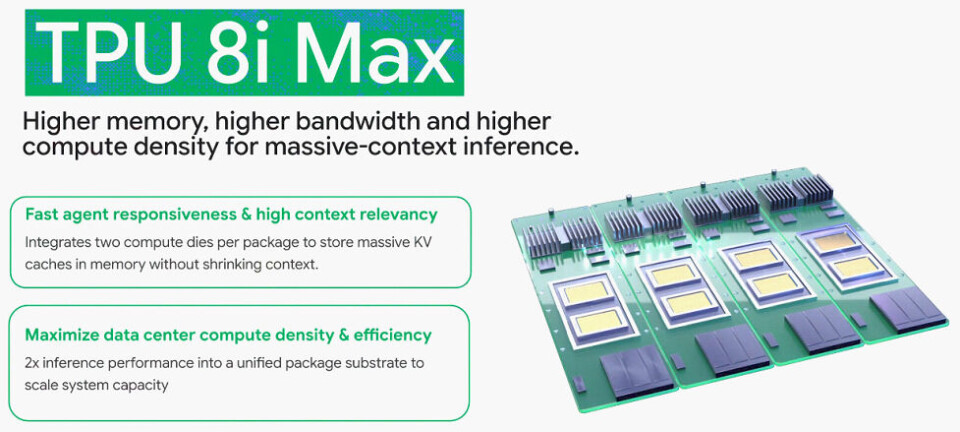
The physical design of the TPU 8i Max also hints at further innovations. Observations of the hardware show a different Inter-Chip Interconnect (ICI) port at the bottom of the board compared to other TPU 8 variants, though Google has yet to provide a detailed technical explanation for this change.
Pricing for these new units remains speculative, but the market expects Google to maintain a tiered structure. Training-focused units like the TPU 8t will likely command a premium, as the industry’s hunger for frontier model training remains insatiable. Conversely, inference-focused chips like the 8i and 8i Max will likely be priced to encourage high-volume token generation.
Beyond the hardware, Google is also introducing a sophisticated software layer known as TPU Sync. This hierarchical storage management system is designed to maximize the efficiency of HBM memory, particularly during the "bursty" nature of agentic AI workloads. In many agentic scenarios, a TPU may sit idle while an AI agent "thinks" or waits for a response from another part of the system. TPU Sync addresses this inefficiency by moving working memory off the TPU chip when an agent pauses and restoring it instantly when processing resumes.
Lohmeyer explained that this software orchestration allows Google to apply those freed-up resources to other tasks, significantly driving up system utilization. By maximizing the work done by each chip, Google aims to lower the cost per transaction and the overall cost of running complex AI activities. Because TPU Sync is a software-based solution, Google is backporting it to previous generations, including the TPU v5 through v8.
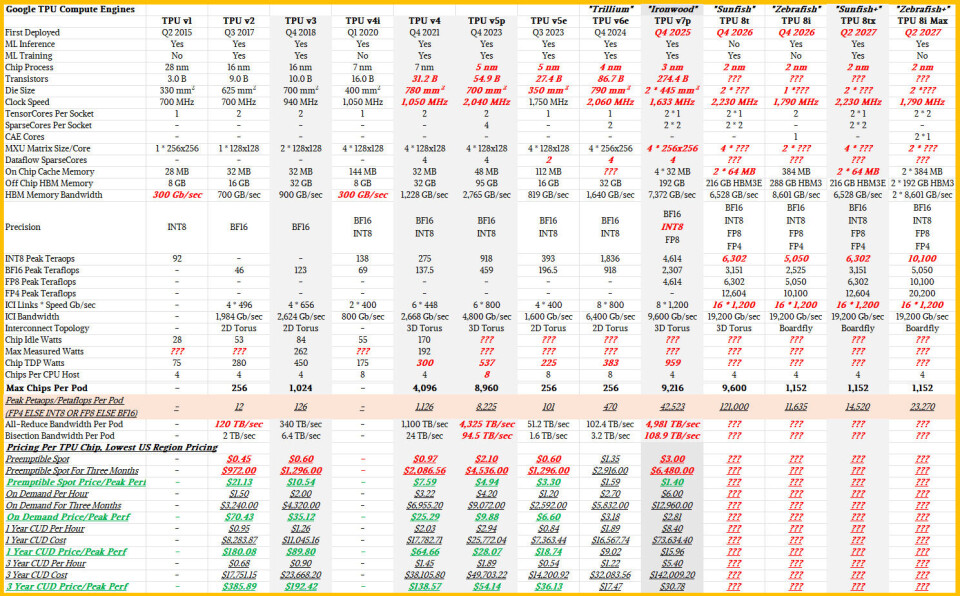
As the industry moves toward 2027, the deployment of these specialized Sunfish and Zebrafish variants will likely define Google’s ability to compete in a market where the efficiency of inference is becoming just as important as the raw power of training. By diversifying its TPU lineup, Google is signaling that the future of AI infrastructure lies in precision engineering—building the right tool for the right job, rather than a one-size-fits-all solution.
 Enterprise Tech & Infrastructure
The Physical Limits of Artificial Intelligence: Why Infrastructure Constraints Are Throttling the Generative AI Boom
The prevailing narrative surrounding the generative artificial intelligence revolution often focuses on...
 Enterprise Tech & Infrastructure
The Architecture of Data: Understanding the Critical Hierarchy of Computer Memory Systems
In the modern digital landscape, the term "computer memory" serves as a...
 Enterprise Tech & Infrastructure
Upscale AI Challenges Nvidia’s Scale-Up Dominance with SkyHammer Fabric and $2 Billion Valuation
For decades, the world’s leading CPU manufacturers have maintained a fiercely proprietary...