

The Anne Arundel incident highlights a recurring nightmare for public officials: the "double hit." Comparitech noted in a blog post that this was the second ransomware incident to strike the county in just 18 months. The administrative backlog caused by these frequent attacks is staggering. "Official letters to those affected in the first attack from February 2025 have only just been sent in the last month," the report noted.
This delay in victim notification is a major point of concern for security advocates. When sensitive data like social security numbers or medical records are compromised, every day that passes without the victim’s knowledge increases the risk of identity theft and financial fraud. Moody argued that the current pace of government transparency is insufficient for the speed of modern cybercrime.
"Hackers will have stolen data in the majority of cases, so issuing warnings to anyone involved promptly is essential to safeguarding this data," she said. The research suggests that the fear of legal liability or public relations fallout often causes governments to hesitate in their communications. Moody, however, advocates for a "transparency-first" approach. "Better to warn people straight away and retract this warning later on if data hasn’t been stolen, than to avoid warning people until months after the attack when there’s little they can do if their data has been floating around on the dark web for all that time."
The Road Ahead for Public Sector Cybersecurity
As the third quarter of 2026 closes, the data suggests that the "ransomware pandemic" shows no signs of slowing down. The 91% year-over-year increase indicates that the tools available to hackers—including RaaS (Ransomware-as-a-Service) platforms and AI-driven vulnerability scanning—are outpacing the defensive upgrades of many government agencies.
The transition toward 2027 will likely require a fundamental shift in how public sector IT is funded and managed. The traditional model of reactive patching is proving inadequate against a threat landscape that operates 1.4 times a day. Instead, the focus is shifting toward "resilience by design," where immutable backups, zero-trust architectures, and rapid-response communication protocols are treated as essential infrastructure, much like roads or water systems.
For decision-makers, the message from the Q3 report is clear: the question is no longer if a government entity will be targeted, but how it will respond when the inevitable breach occurs. The disparity between the experience of Merrimack County, which relied on its backups, and Anne Arundel County, which is still processing the fallout of an attack from over a year ago, serves as a stark reminder of the stakes involved.
As cybercriminals continue to refine their tactics, the global community must decide whether to invest in proactive defense now or continue to pay the much higher price of ransoms, recovery, and compromised citizen privacy in the years to come.
 Helpdesk & IT Service Management (ITSM)
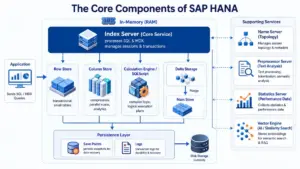
Decoding the Architecture of SAP HANA: A Deep Dive Into the Engine of Modern Enterprise Data
In the rapidly evolving landscape of enterprise resource planning and data management,...
 Helpdesk & IT Service Management (ITSM)
The Hybrid Productivity Paradox: Why Meeting Room Glitches are Eroding the Gains of the AI Era
In the three years since the global shift toward flexible working models,...
 Helpdesk & IT Service Management (ITSM)
Snowflake World Tour London: Moving Beyond AI Hype to the Era of the Agentic Enterprise
LONDON — The conversation surrounding artificial intelligence has reached a critical inflection...







