

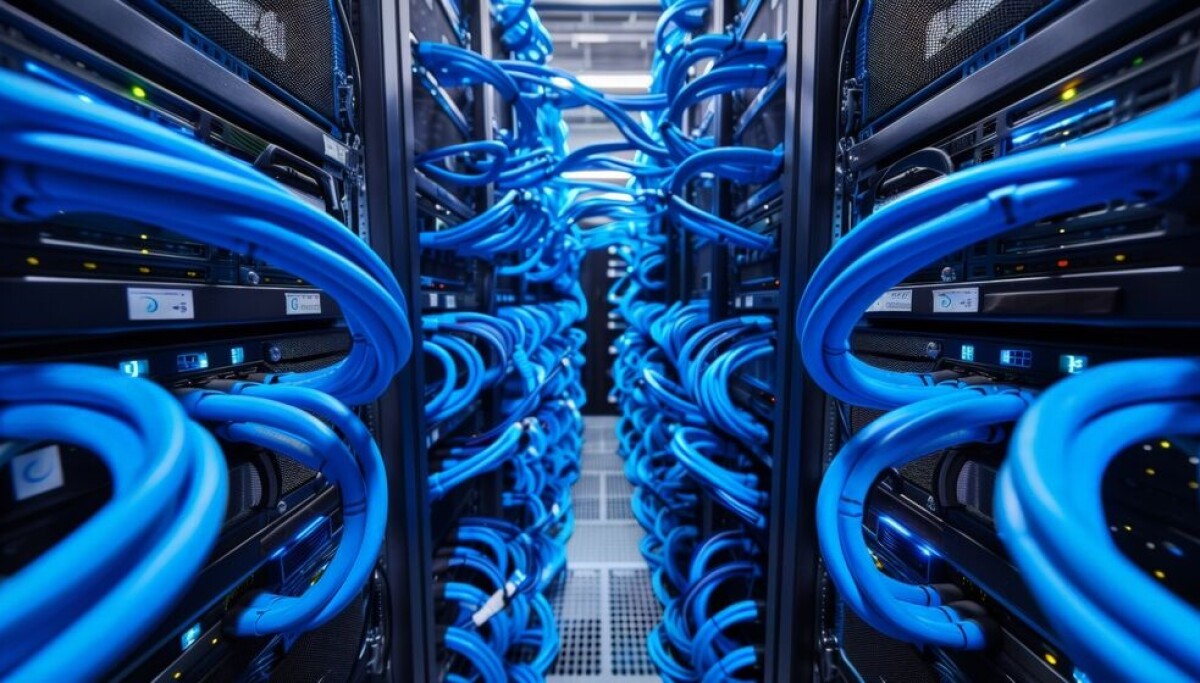
The massive wave of investment in Generative AI (GenAI) has long been the primary engine driving the server market to unprecedented heights. For several quarters, the industry has watched as specialized compute nodes laden with high-end GPUs were snatched up by hyperscalers and enterprise giants alike. However, the networking infrastructure required to connect these behemoths is finally starting to respond in kind. Recent market data indicates that the Ethernet switch and router sectors are experiencing a significant growth spurt, moving in sympathy with the server explosion as organizations realize that compute power is only as effective as the fabric that binds it together.
According to the latest market analysis from IDC for the second quarter of 2026, the Ethernet switch market has reached a historic milestone. Revenues for the period soared by 43.4 percent year-over-year, hitting a staggering $18.91 billion. This performance also represents a robust sequential growth of 23.1 percent from the first quarter of the year. While the numbers are cause for celebration among vendors, the market is navigating a complex landscape defined by persistent component shortages and a shift in pricing power that favors semiconductor manufacturers.
The current climate has created a unique dynamic where demand significantly outstrips supply. In such an environment, the traditional rules of competitive pricing have been upended. With lead times extending and the necessity of high-speed networking becoming non-negotiable for AI workloads, semiconductor and component suppliers find themselves in an enviable position. There is a palpable sense in the industry that pricing is becoming increasingly discretionary; when demand is this inelastic, vendors have the leverage to adjust margins upward simply because the market lacks immediate alternatives.
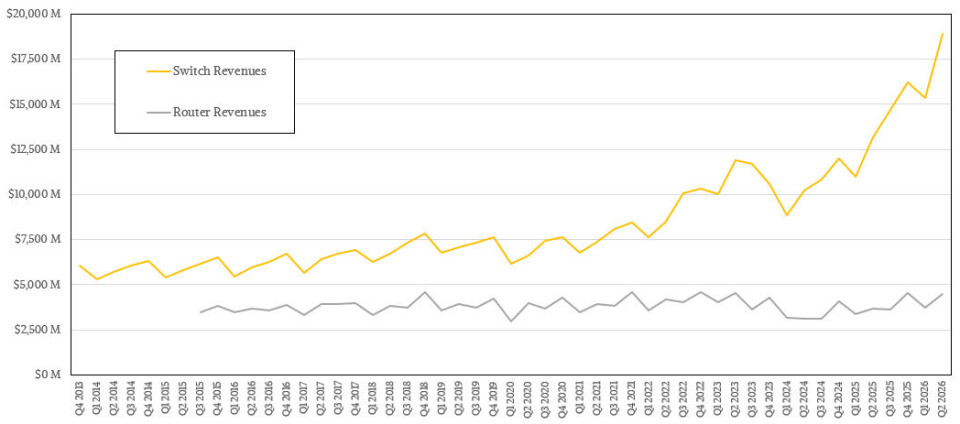
The router market, which many analysts had previously viewed as a legacy segment under pressure, has also demonstrated surprising resilience. For over a decade, routing functions have been steadily integrated into Ethernet switch Application-Specific Integrated Circuits (ASICs), leading to a slow cannibalization of dedicated routing hardware. Despite this long-term trend, the router market managed to grow by 22.8 percent in the second quarter, reaching $4.51 billion. This marks a 20.1 percent increase from the previous quarter.
This resurgence in routing is driven by a specific subset of the market. While hyperscalers and major cloud builders often have the engineering resources to write their own routing software to run on commodity or semi-custom Ethernet switches, other entities do not have that luxury. Service providers, telecommunications companies, and "neoclouds"—the emerging class of specialized AI cloud providers—still rely heavily on dedicated routing gear. For these organizations, the reliability and out-of-the-box functionality of hardware from legacy giants like Cisco Systems, Juniper Networks, Huawei Technology, Nokia, and Ericsson remain indispensable. While these routers may not always sit at the absolute core of a GenAI cluster, they serve as the critical gateways linking massive datacenters to the outside world.
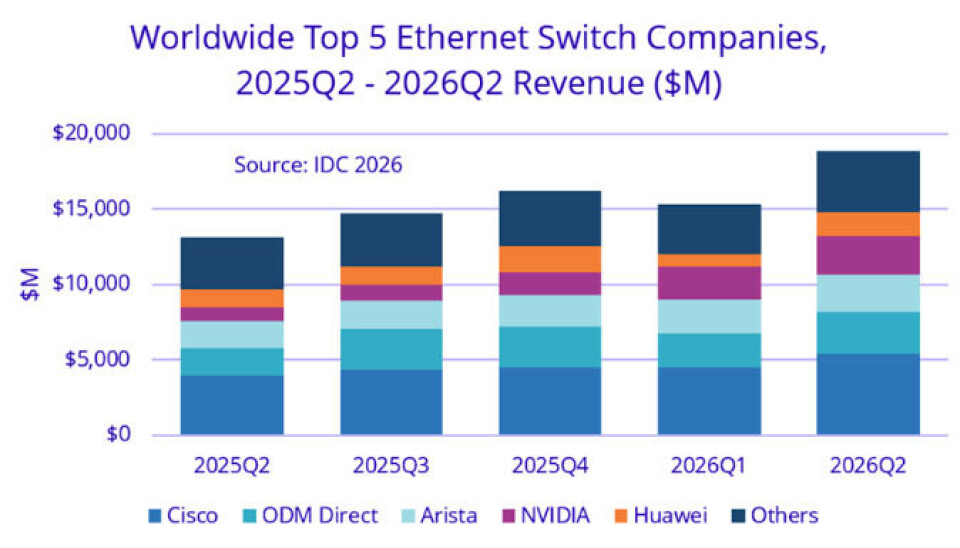
When examining the Ethernet switching landscape as a whole, it is clear that we are witnessing a transformative era. The current surge represents record-breaking sales levels, and while GenAI is the headline act, the ripple effects extend further. The need to feed massive amounts of data into GenAI training and inference systems has necessitated upgrades across the entire network hierarchy, including edge environments and campus networks. These peripheral systems must now handle significantly higher throughput to ensure that the data pipelines leading to the datacenter do not become bottlenecks.
 Enterprise Tech & Infrastructure
Seagate, Western Digital, and Toshiba Lead 2023 Rankings for Enterprise-Grade Storage Solutions
In the rapidly evolving landscape of corporate data infrastructure, the demand for...
 Enterprise Tech & Infrastructure
Microsoft Scales Up AI Infrastructure with Custom Clea Maia 300 Accelerators to Tackle the Global Inference Bottleneck
As the generative AI revolution matures, the industry has pivoted from the...
 Enterprise Tech & Infrastructure
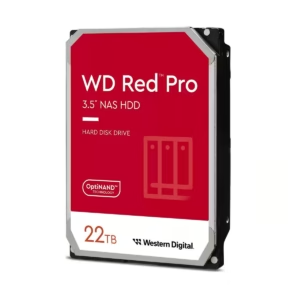
The Pillars of Data Infrastructure: A Comprehensive Evaluation of the Top Enterprise Hard Drives for 2023
In the modern landscape of digital infrastructure, the demand for robust, high-capacity...







