
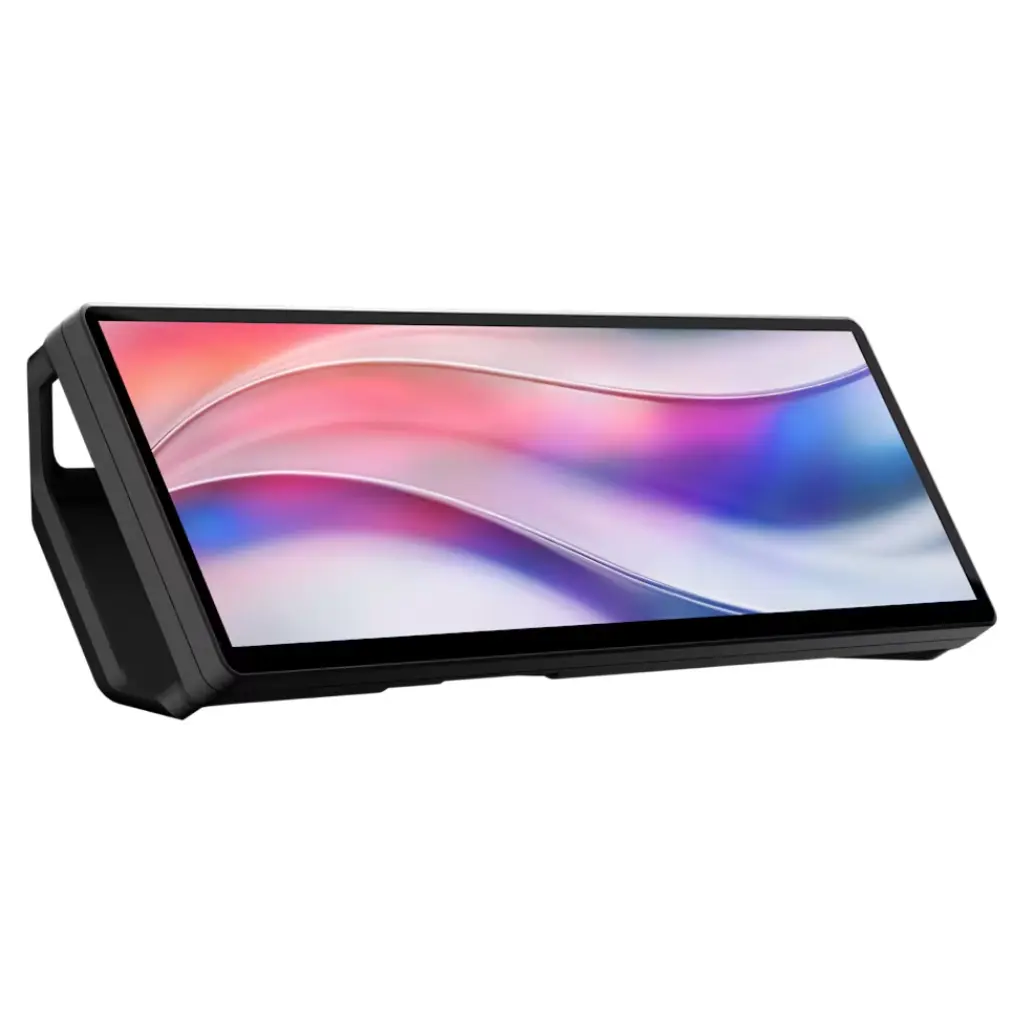
The Xeneon Edge represents a unique pivot for Corsair, a company traditionally known for high-end gaming peripherals, power supplies, and traditional large-format monitors. Unlike the massive ultra-wide displays or high-refresh-rate gaming panels that dominate the market, the Xeneon Edge is a specialized utility tool designed to solve a specific problem for modern PC users: the clutter of secondary applications. In an era where multitasking is the default state for gamers, streamers, and creative professionals alike, the demand for "glanceable" information has skyrocketed. This 14.5-inch panel is Corsair’s answer to that demand, providing a dedicated space for applications that would otherwise crowd a primary monitor or require a cumbersome second full-sized display.
The device first captured the attention of the PC building community over the summer, quickly becoming a viral sensation on platforms like TikTok, Instagram, and X. Much of this popularity can be attributed to its distinct aesthetic and the specific niche it fills within the "desk setup" culture. For many enthusiasts, the appeal of the Xeneon Edge lies in its versatility. It is not merely a portable monitor in the traditional sense, but rather a modular extension of the desktop environment. Its 14.5-inch form factor is roughly equivalent to a standard laptop screen, yet its ultra-slim profile and specialized mounting options allow it to be integrated into a workspace in ways a traditional monitor cannot.
One of the most praised aspects of the deal is that the discount applies to all five color variants. Corsair has moved away from the standard "gamer black" aesthetic with this product line, offering a range of finishes that cater to different desk themes. This includes the highly sought-after "Atomic Purple" model, a translucent finish that leans heavily into 1990s tech nostalgia, reminiscent of classic handheld gaming consoles. By offering the discount across the entire range—including the white, gray, and more vibrant options—Corsair is appealing to the growing segment of the market that prioritizes the visual "vibe" of their workspace as much as the technical specifications of their hardware.
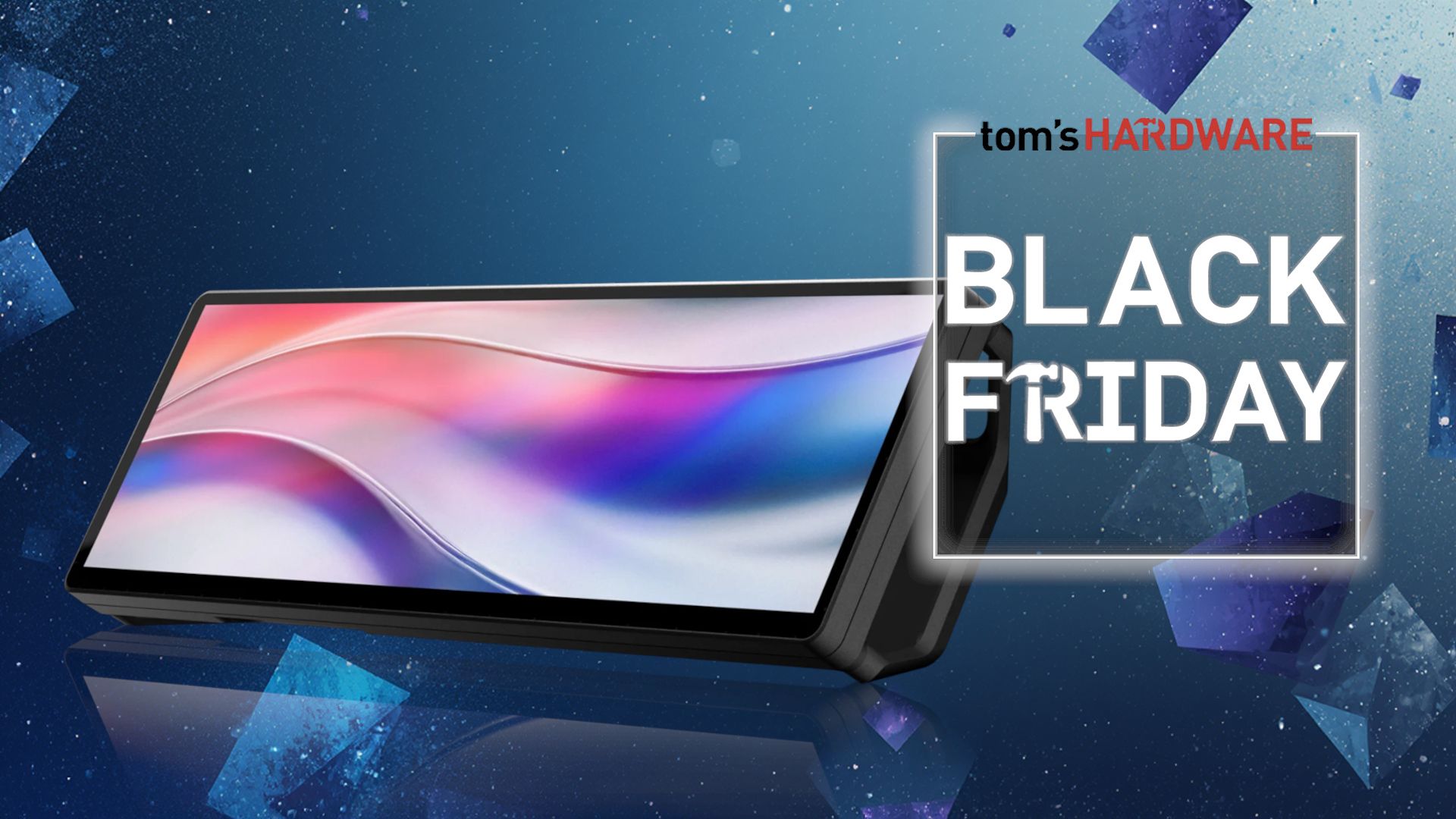
From a functional perspective, the Xeneon Edge is built around a high-quality LCD panel that features full touchscreen support. This touch functionality is a critical component of its value proposition. For a user who is in the middle of a gaming session or a complex video editing project, being able to reach out and tap a button on a secondary screen is often more efficient than tabbing out of a primary application to move a mouse cursor. This makes the device particularly useful for hosting music players like Spotify, communication tools like Discord, or streaming dashboards for those who broadcast on Twitch or YouTube.
Beyond its use as a standard secondary monitor, the Xeneon Edge has found a secondary life within the PC modding community as a high-end "sensor panel." In recent years, a major trend in custom PC building has involved mounting small screens inside the glass side panels of computer cases. These screens are typically used to display real-time system statistics, such as CPU and GPU temperatures, fan speeds, and clock rates, often through software like AIDA64. While many builders have previously relied on inexpensive, unbranded panels sourced from overseas wholesalers—which often come with exposed circuitry and difficult mounting requirements—the Xeneon Edge offers a polished, consumer-ready alternative. Its slim design allows it to be tucked into many modern mid-tower and full-tower cases, providing a premium look for internal system monitoring.
The mounting flexibility of the unit is perhaps its most underrated feature. Corsair designed the Xeneon Edge to be used in several distinct orientations. It can be placed horizontally directly beneath a primary monitor, filling the often-wasted gap between the bottom of the screen and the desk surface. This "bottom-shelf" configuration is favored by professionals who want to keep their timeline or chat window directly in their line of sight without having to turn their heads to the side. Alternatively, it can be mounted vertically, creating a "social media" style tall aspect ratio that is perfect for scrolling through long feeds or coding.
The decision to bring back the $199 price point for Black Friday suggests that Corsair is looking to capitalize on the momentum the product gained earlier this year. When the Xeneon Edge first went viral, it was often difficult to find in stock, particularly in the more popular colorways like Atomic Purple. By stabilizing the supply and offering a 20% discount, the company is positioning the device as an ideal "luxury" gift for PC enthusiasts who may already have a high-end mouse, keyboard, and primary monitor but are looking for that final piece to complete their "dream" setup.
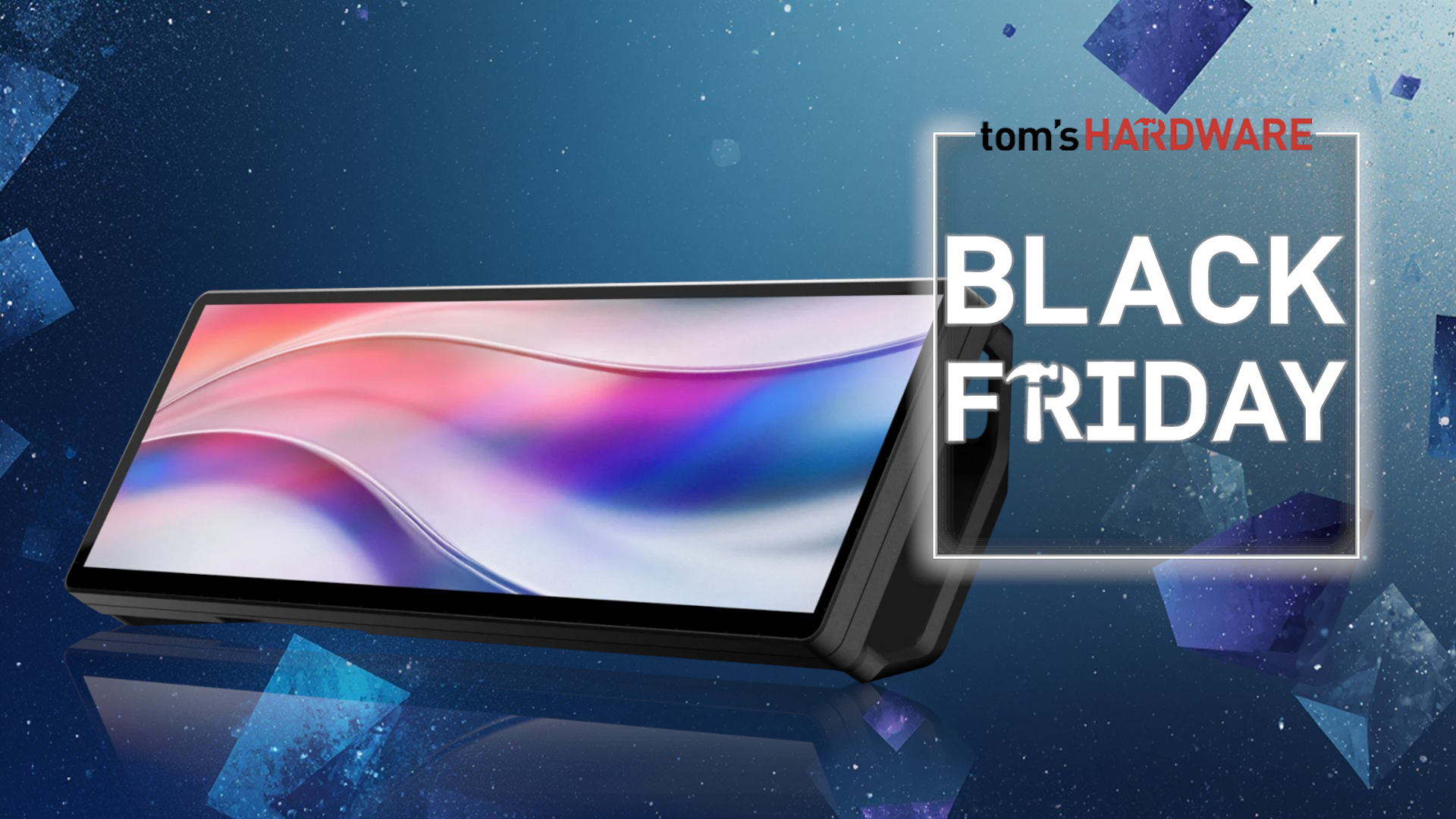
In the broader context of the hardware market, the Xeneon Edge sits in a unique position. While there are many portable monitors available for under $200, few offer the specific combination of a branded ecosystem, touchscreen capabilities, and a design language tailored specifically for stationary desktop integration. Most portable monitors are designed for travelers and often come with bulky folding covers or flimsy stands. The Xeneon Edge, by contrast, feels like a permanent fixture of a desk, intended to be bolted, propped, or integrated into a larger hardware ecosystem.
The technical integration of the device is also worth noting for potential buyers. It typically connects via a single cable solution, utilizing USB-C to handle both the video signal and the power requirements, provided the host computer’s port supports DisplayPort Alt Mode and sufficient power delivery. This "one-cable" setup is highly valued by the minimalist "clean desk" community, as it reduces the cable clutter that often plagues multi-monitor configurations. For those with older systems, standard HDMI and power connections are usually supported as well, though the touchscreen functionality requires a USB connection to the motherboard to register inputs.
As the Black Friday sales window opens, the return of the $199 deal marks a strategic move in the increasingly competitive peripheral market. As PC components like GPUs and CPUs become more expensive, many consumers are looking toward peripherals and workspace enhancements to refresh their experience without the thousand-dollar price tag of a full system overhaul. A secondary touchscreen monitor like the Xeneon Edge provides a tangible, daily-use upgrade that changes how a user interacts with their operating system and applications.
The viral nature of the device over the summer served as a proof of concept for Corsair. It demonstrated that there is a significant appetite for smaller, high-quality secondary displays that move beyond the utilitarian look of office hardware. By leaning into the aesthetic trends of the enthusiast community—such as the translucent plastics and coordinated color schemes—Corsair has managed to turn a relatively simple piece of technology into a "must-have" item for a specific subset of the gaming and productivity market.
For those who missed out on the initial launch or were hesitant to spend $250 on a secondary screen, the current $50 discount represents the most logical entry point to date. The deal is currently live on Corsair’s official webstore and is expected to be one of their primary movers throughout the holiday weekend. Given the history of this particular product, inventory levels for the most popular colors may fluctuate as the sale progresses. As the line between gaming setups and professional workstations continues to blur, tools like the Xeneon Edge are likely to become more common, shifting from niche viral curiosities to standard components of the modern digital command center.
 Hardware Reviews & PC Building
Brazilian lawyers busted for attempting to manipulate court’s AI with prompt injection hidden in filing —…
The discovery was brought to public attention by Professor Vladimir Aras of...
 Hardware Reviews & PC Building
Digital Fly Brain Achieves 20 Percent Win Rate in Balatro Following Breakthrough Google Neural Mapping
In the rapidly evolving landscape of artificial intelligence and computational neuroscience, the...
 Hardware Reviews & PC Building
New AI-driven Windows malware feeds stolen data to Claude to rank victims’ assets by value, then deletes itself…
The emergence of VOLTA-AUTODOXER highlights a growing trend in the underground economy...







