
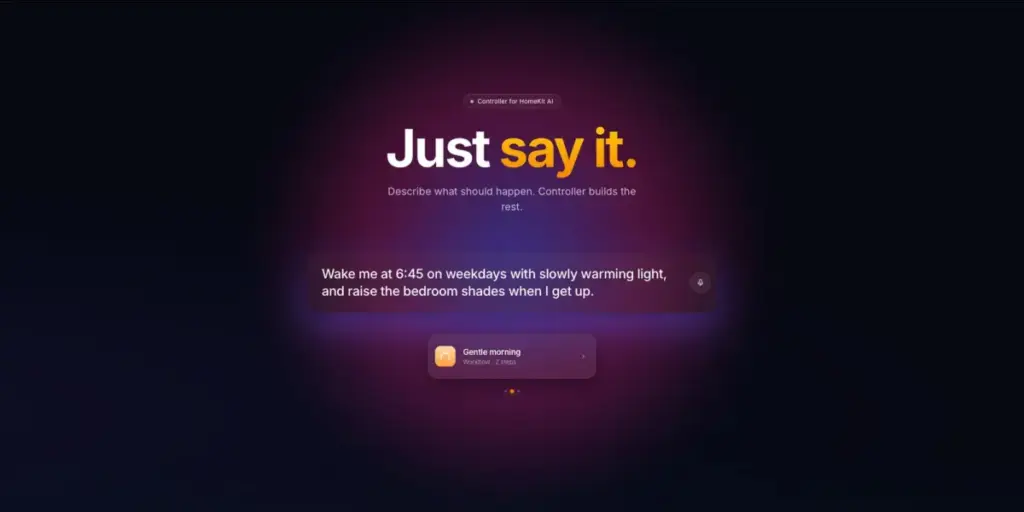
The third example highlights the app’s ability to handle conditional security and convenience logic: "If someone comes home after midnight, turn only the hallway light to 15%." This prompt requires the AI to understand "if-then" parameters combined with temporal constraints. It identifies the trigger (an arrival at the home), the condition (the time being after 12:00 AM), and the specific action (a low-level illumination of a single light source). Such automations are vital for modern smart homes, yet they are often the most prone to user error during manual setup.
The introduction of natural language processing into HomeKit management comes at a time when the broader tech industry is racing to integrate Large Language Models (LLMs) into every facet of digital life. While Apple has recently announced its own suite of "Apple Intelligence" features, third-party developers like those behind Controller for HomeKit are often able to iterate faster, providing specialized tools that cater to the specific needs of the smart home community. By focusing exclusively on the HomeKit ecosystem, this app ensures that the AI-generated automations remain compliant with Apple’s strict privacy and security standards, as the underlying commands are still executed within the local HomeKit environment.
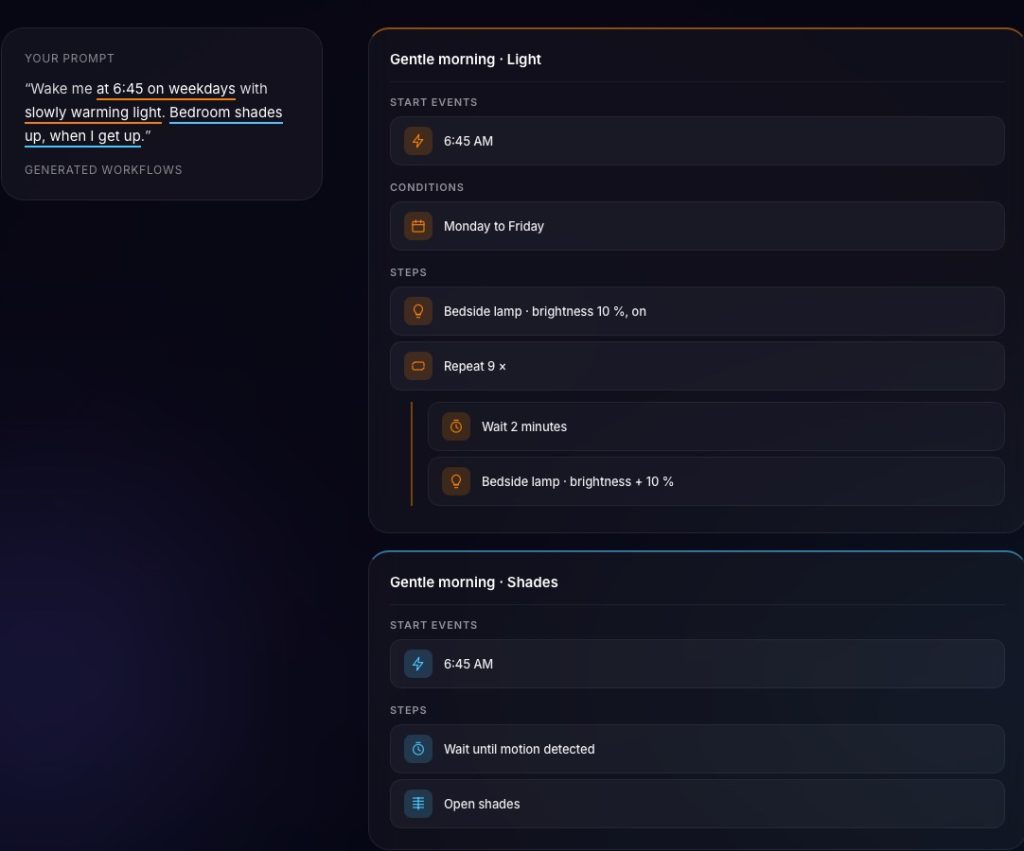
The effectiveness of the tool was put to the test in a real-world scenario, even under less-than-ideal conditions. In a preliminary trial of the update, the feature was tested in a home that was in the middle of a transition, with only a handful of active devices: two smart lights and one smart plug. Despite the limited hardware available for the AI to interact with, the system demonstrated a clear understanding of device categories and logical triggers. When asked to "switch on the bedroom fan when I switch off the living room lights," the AI correctly identified the smart plug (to which the fan was attached) and the lighting fixtures, successfully creating a functional automation that linked the two actions.
This level of adaptability is crucial for the success of AI in the smart home. Because every user’s home configuration is unique—varying in the number of rooms, the types of devices, and the specific naming conventions used—the AI must be able to map general requests to a specific, localized hardware list. The "Just say it" feature appears to handle this mapping with high precision, reducing the likelihood of the "command not understood" errors that have plagued voice assistants for years.
 Smart Home & IoT Solutions
Schlage Set to Launch Sense Pro Smart Deadbolt with Ultra Wideband Support for Apple Home Users
The landscape of the smart home security market is poised for a...
 Smart Home & IoT Solutions
Abode Expands Smart Home Ecosystem with New Apple Home-Compatible Outdoor and Garage Sensors
The landscape of DIY home security continues to evolve as homeowners seek...
 Smart Home & IoT Solutions
Apple’s Smart Home Ambitions Expand with LG Partnership and Exclusive ‘Proximity Control’ Features
As the technology industry looks toward Apple’s upcoming "Welcome Home" special event...







