

For Cisco, the recent string of exploits represents a significant challenge in maintaining the integrity of its ecosystem. The company has invested heavily in its Security Advisories and Response Team (PSIRT), but the sheer volume of exploitation attempts against its hardware and software continues to rise. The vulnerabilities in the ASA and FTD software, which are designed to protect networks, are particularly ironic targets for attackers, turning a security asset into a liability.
The broader implications of these disclosures suggest a shift in the "rules of engagement" for cyber defense. In previous years, the primary concern for many IT departments was the protection of individual workstations from malware or ransomware. Today, the focus has shifted toward the resilience of the network fabric itself. If the routers, firewalls, and communication platforms are compromised, the security of the endpoints becomes largely irrelevant.
CISA’s role in this ecosystem has become more proactive under recent leadership. By acting as a clearinghouse for threat intelligence and a centralized authority for vulnerability management, the agency aims to reduce the "mean time to remediate" across the entire federal enterprise. The KEV catalog is the primary tool in this effort, ensuring that when a fire is spotted, the response is immediate and uniform.
As the November 24 deadline approaches, cybersecurity analysts expect more information to emerge regarding the nature of the attacks. It is common for researchers to release technical deep-dives once the initial patching window has closed, providing the community with the signatures and indicators of compromise (IOCs) needed to hunt for signs of past breaches.
For now, the focus remains on defense. Organizations using Cisco BroadWorks or Openwave Messaging Webtop Media Transcoder are advised to audit their systems immediately. This involves not only applying the latest patches but also reviewing logs for any anomalous activity that may suggest an attacker has already gained a foothold. In many cases, patching a vulnerability does not remove an attacker who has already established persistence; it merely closes the door for future intruders.
The ongoing exploitation of these enterprise tools serves as a stark reminder that the perimeter is constantly under siege. As the 2026 threat landscape continues to evolve, the collaboration between government agencies like CISA and private vendors like Cisco will be crucial in defending the digital infrastructure that underpins modern society. The speed at which these vulnerabilities are identified, cataloged, and remediated will likely determine the success or failure of national cybersecurity strategies in the years to come.
 Cybersecurity Basics & Security News
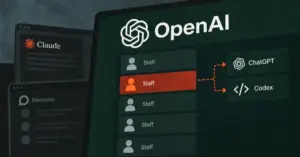
AI vs. AI: How Researchers Used Claude Opus 5 to Breach OpenAI’s Internal Systems
In a sophisticated demonstration of the "double-edged sword" nature of generative artificial...
 Cybersecurity Basics & Security News
Italy’s Privacy Regulator Fines Meta €805 Million Over Facebook’s Unauthorized Access to User Photo Galleries
In a landmark decision that highlights the tightening grip of European regulators...
 Cybersecurity Basics & Security News
The Rise of the Personal AI Agent: Navigating the Shift from BYOD to BYOAI in the Corporate Security Landscape
The rollout of personal artificial intelligence agents is proving to be a...







