
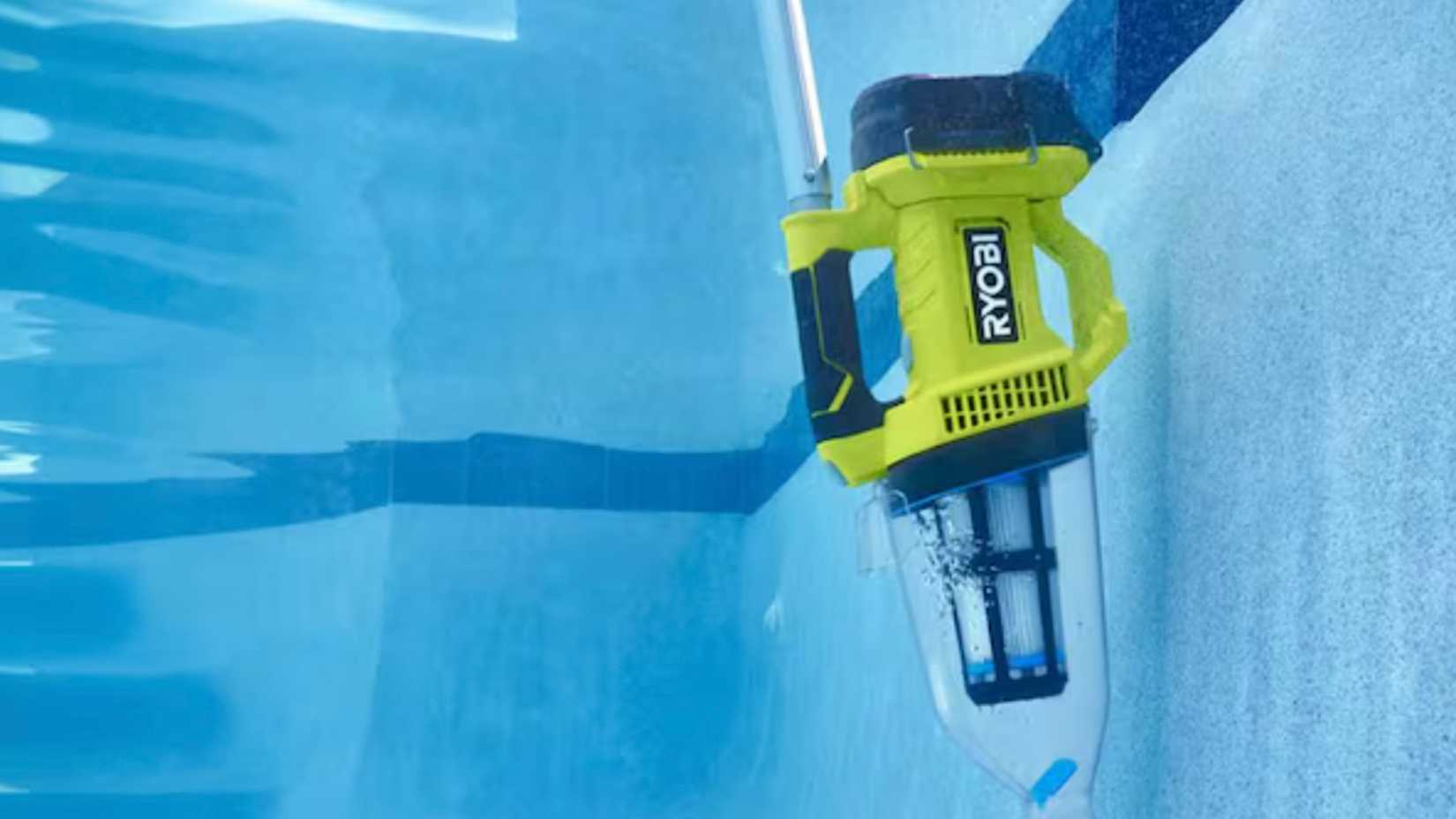
The handheld pool vacuum is designed for the "quick clean"—the removal of sand, silt, bugs, and leaves that accumulate between professional cleanings or before a weekend gathering. By eliminating the need for hoses and booster pumps, the tool allows the homeowner to address debris the moment it is spotted. It features a floor head for large flat surfaces and a specialized brush for scrubbing walls and stairs, all powered by the same battery that might have been in the user’s weed whacker moments prior.
While the tool has a depth rating of approximately 13 feet—sufficient for the vast majority of residential above-ground and in-ground pools—it represents a broader trend of "democratizing" specialized maintenance. Tools that were once the province of professional pool services are now accessible to the average DIYer. The positive reception of the pool vacuum suggests that there is a significant market for cordless tools that can survive in wet environments, opening the door for future Ryobi innovations in marine and plumbing applications.
The Ecosystem Advantage: A Strategy of Total Utility
The success of these "oddball" tools is not merely a result of their individual utility, but rather the strength of the ecosystem they inhabit. Ryobi’s partnership with The Home Depot has created a retail environment where consumers are constantly exposed to new, niche applications for the batteries they already own. The company has even turned the acquisition of these tools into a hobby for some, with "Ryobi Tuesdays" becoming a known window for enthusiasts to hunt for deals on the latest releases.
By expanding into products like the 5-gallon bucket-top vacuum or the aforementioned patio scrubbers, Ryobi is executing a "lock-in" strategy. Once a consumer has invested in the batteries and chargers, the marginal cost of adding a specialized tool becomes much lower than buying into a new platform. This encourages homeowners to experiment with tools they might not have otherwise considered, such as a battery-powered salt spreader or a submersible vacuum.
As the industry moves forward, the distinction between a "power tool company" and a "home appliance company" will likely continue to fade. Ryobi’s willingness to experiment with unconventional designs indicates a future where every manual task in the home and yard has a cordless, battery-powered equivalent. For the modern homeowner, this means that the garage is no longer just a place for saws and drills—it is the charging hub for an entire lifestyle of automated and assisted maintenance.
 Tech Tutorials & How-To Guides
The Hidden Bottleneck: Why Standard Speed Tests Often Fail to Detect Faulty Network Hardware
In the modern digital household, few things are as frustrating as a...
 Tech Tutorials & How-To Guides
Beyond the Cloud: Why a Shift to Offline Password Management Is Becoming a Necessity for the Security-Conscious
In the modern digital landscape, the password manager has transitioned from a...
 Tech Tutorials & How-To Guides
The Power of Automation: Why Home Assistant Users Are Rediscovering These Underutilized Features
The landscape of the modern smart home has shifted dramatically over the...







