
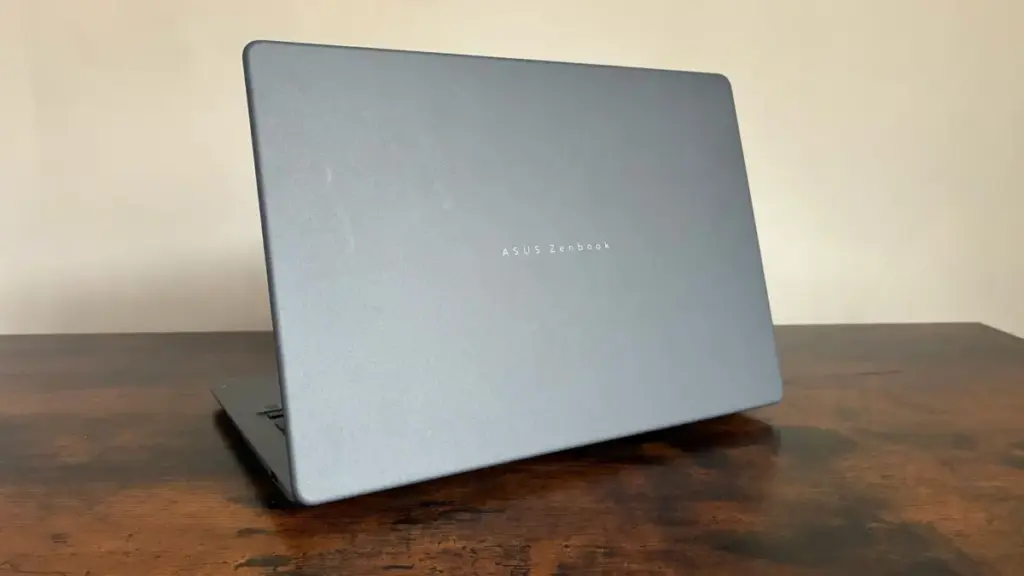
Asus has officially expanded its ultra-portable laptop portfolio with the introduction of a new Zenbook 14, a device that aims to bring the efficiency and power of the Snapdragon X chipset to a more accessible price point. Following the earlier release of the premium Zenbook A14 in the spring, this latest iteration enters the market at a significantly more competitive £799.99. While it sheds some of the high-end specifications of its predecessor, it retains the core design philosophy and professional features that have made the Zenbook series a staple in the corporate and creative worlds.
On the surface, the distinction between this model and the more expensive A14 is subtle, marked primarily by the absence of the "A" in its title and a few strategic adjustments under the hood. To reach this aggressive price point, Asus has opted for a slightly smaller battery and more modest storage configurations. However, the manufacturer has ensured that the professional aesthetic, lightweight construction, and comprehensive feature set remain intact, positioning it as an ideal candidate for office environments and hybrid workers who prioritize portability without sacrificing a premium feel.
Asus Zenbook 14: Design and Build Quality
The design language of the Zenbook 14 continues Asus’s recent trend toward understated sophistication. Eschewing flashy accents for a minimalist approach, the laptop utilizes smart iconography and a refined color palette that feels right at home in a boardroom. The most striking element of the build is the use of "Ceraluminium," a high-tech material that combines the lightweight properties of aluminum with a ceramic-style finish. This plasma electrolytic oxidation process results in a surface that is not only visually distinct with its pastel-like matte finish but also highly resistant to smudges and physical shocks.
Portability remains the Zenbook’s primary selling point. Weighing in at just 1.10kg and measuring a mere 0.55 inches in thickness, the device is designed to disappear into a rucksack. This makes it an effortless companion for commuters or professionals who frequently move between meeting rooms. Asus has also refined the ergonomics of the chassis, implementing a new hinge mechanism designed with "optimal torque." This engineering choice allows the lid to be lifted easily with a single finger, a small but significant quality-of-life feature that is becoming increasingly standard on high-end notebooks.
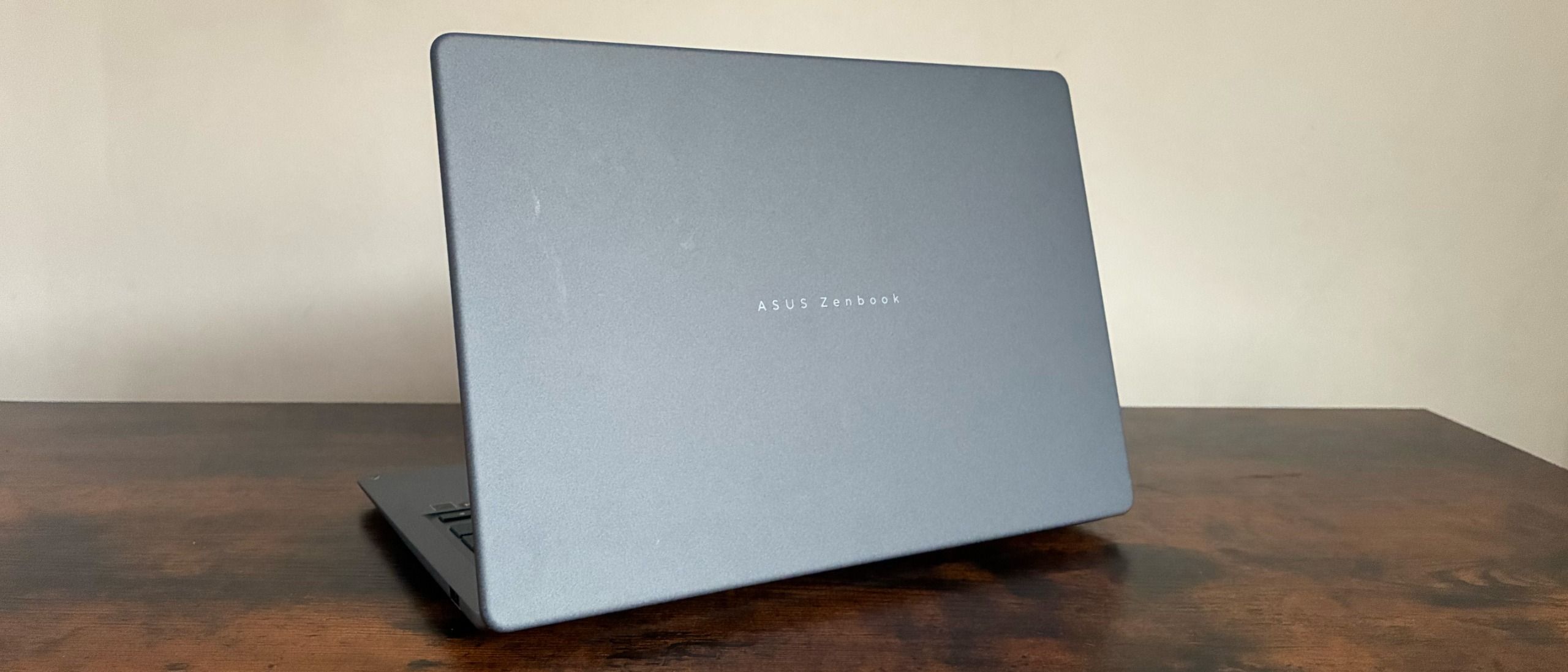
While the blue-gray model serves as the flagship color for professional settings, Asus is also offering more expressive variants, including "Zabriskie Beige" and a pink "Coral" option. Regardless of the color, the finish remains consistent across the lid, chassis, and keys, providing a cohesive and intentional look that stands out in a market often dominated by generic silver and black plastic.
Display, Keyboard, and Trackpad
Upon opening the lid, users are greeted by a 14-inch WUXGA OLED display. With a resolution of 1920 x 1200 and a 16:10 aspect ratio, the screen provides ample vertical space for document editing and web browsing. While the bezels are not the thinnest in the category—particularly at the top to accommodate the 1080p webcam—they are framed in a way that does not distract from the visual experience.
The OLED panel itself is a high performer, especially regarding color accuracy. Laboratory testing revealed a peak brightness of 302.96 cd/m², which allows the laptop to remain legible in various lighting conditions, from dimly lit cafes to bright office spaces. The adaptive brightness sensor works subtly in the background, adjusting to ambient light without the jarring transitions often found in budget displays. For creative professionals, the display is particularly impressive; it covers 100% of the sRGB color gamut and boasts a massive 169.4% volume. With a 92.6% Adobe RGB score, it outperforms several more expensive competitors, making it a viable tool for on-the-go photo editing and color-sensitive work.
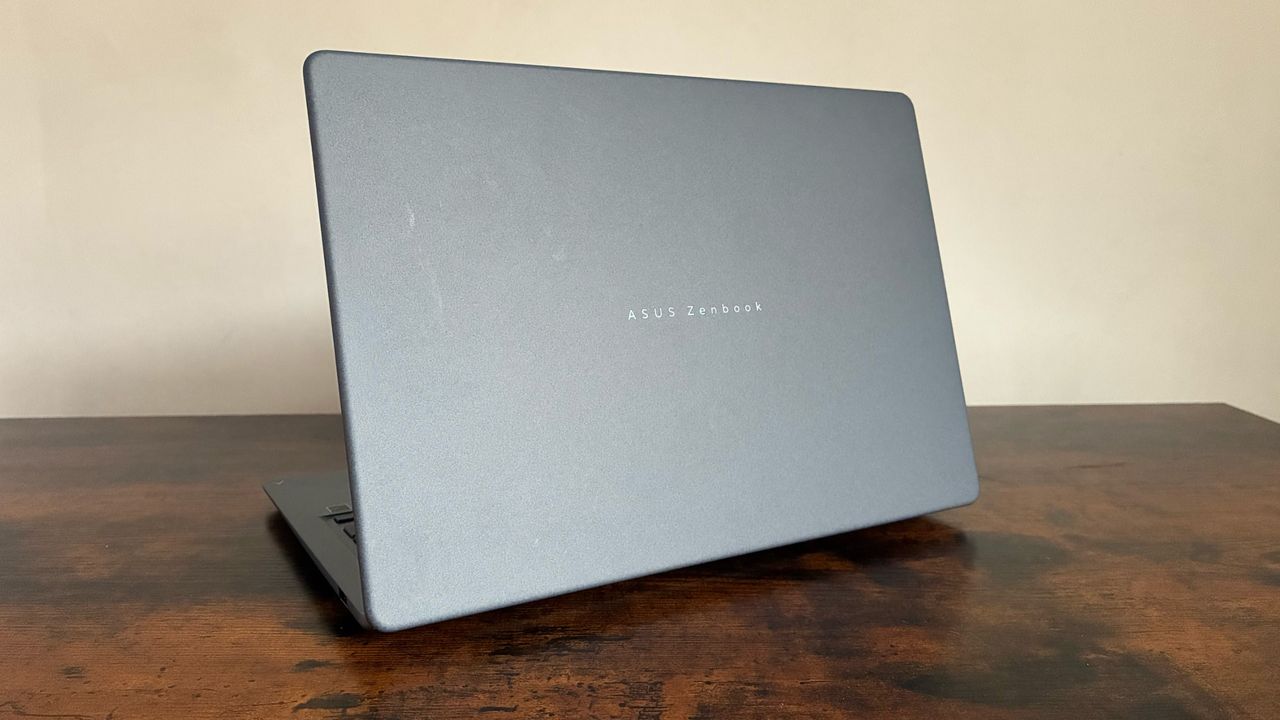
The input experience is equally refined. The Zenbook 14 features a chiclet keyboard with large, excimer-coated keycaps designed for long-term durability. The keys offer a generous 1.7mm of travel, providing a tactile and satisfying typing experience that is often missing from ultra-thin laptops. The layout is standard and intuitive, though users may need a moment to adjust to the volume controls, which are positioned on the far left of the function row.
Complementing the keyboard is the ErgoSense touchpad. It supports a wide range of multi-touch gestures, including a seamless three-finger swipe for switching between active applications. While the trackpad is highly responsive and smooth to the touch, it is worth noting that the physical click mechanism is somewhat audible, which might be a consideration for those working in very quiet environments.
Performance, Specifications, and the Snapdragon X Shift
The most significant internal change in this model is the adoption of the Snapdragon X X1 26 100 processor. This 8-core, 8-thread chip is a step down from the Snapdragon X2 Elite found in the pricier A14, but it still brings the advantages of the ARM architecture to the Windows ecosystem. Paired with 16GB of LPDDR5X RAM and a 512GB M.2 NVMe PCIe 4.0 SSD, the machine is well-equipped for standard office multitasking, video conferencing, and productivity suites.
A key highlight of the chipset is the integrated Qualcomm Hexagon NPU (Neural Processing Unit), capable of delivering up to 45 TOPS (Trillions of Operations Per Second). This dedicated AI hardware is designed to handle modern Windows 11 features such as Copilot+ effects, live captions, and background noise removal without taxing the main CPU or GPU. In benchmark testing via Geekbench 7, the Zenbook 14 delivered a single-core score of 1,324 and a multi-threaded score of 10,547. While the single-core performance is modest compared to some high-end Intel or AMD counterparts, the multi-threaded score suggests the laptop is more than capable of handling complex, parallel workloads.
Battery life is another area where the Snapdragon X platform aims to excel. Asus claims up to 18 hours of web browsing from the 3-cell Li-ion battery. In a looped video playback test, the device lasted 10 hours and 13 minutes. While this falls short of the manufacturer’s maximum estimate, real-world usage during a standard office shift proved more promising, with the laptop comfortably lasting a full workday on a single charge. This suggests that the energy efficiency of the Snapdragon chip is better utilized during active productivity tasks than in sustained media consumption.
Connectivity and Software Features
Despite its slim profile, the Zenbook 14 offers a practical selection of ports that covers most professional needs. On the right side, users will find two USB 3.2 Gen 2 Type-C ports. One is dedicated to power delivery and charging, while both support display output and data transfer speeds of up to 10Gbps. To the left, Asus has included a traditional USB 3.2 Gen 1 Type-A port, a welcome addition for those who still rely on legacy peripherals like thumb drives or wired mice. An HDMI 2.1 port and a 3.5mm audio jack round out the physical connectivity. While the absence of an SD card reader might be a slight inconvenience for some photographers, the overall layout is sufficient for a standard desk setup without the immediate need for a dongle.
On the software front, the Zenbook 14 is integrated with Microsoft Pluton security, which stores passkeys and sensitive data directly on the CPU to protect against sophisticated cyberattacks. Asus also includes its own suite of utilities, such as MyASUS, GlideX, and StoryCube. The MyASUS app is particularly useful for professionals, offering granular control over fan speeds—allowing for a "Whisper" mode during quiet meetings—and advanced AI noise-canceling settings for the microphone to ensure clear communication during calls.
A Balanced Choice for the Modern Professional
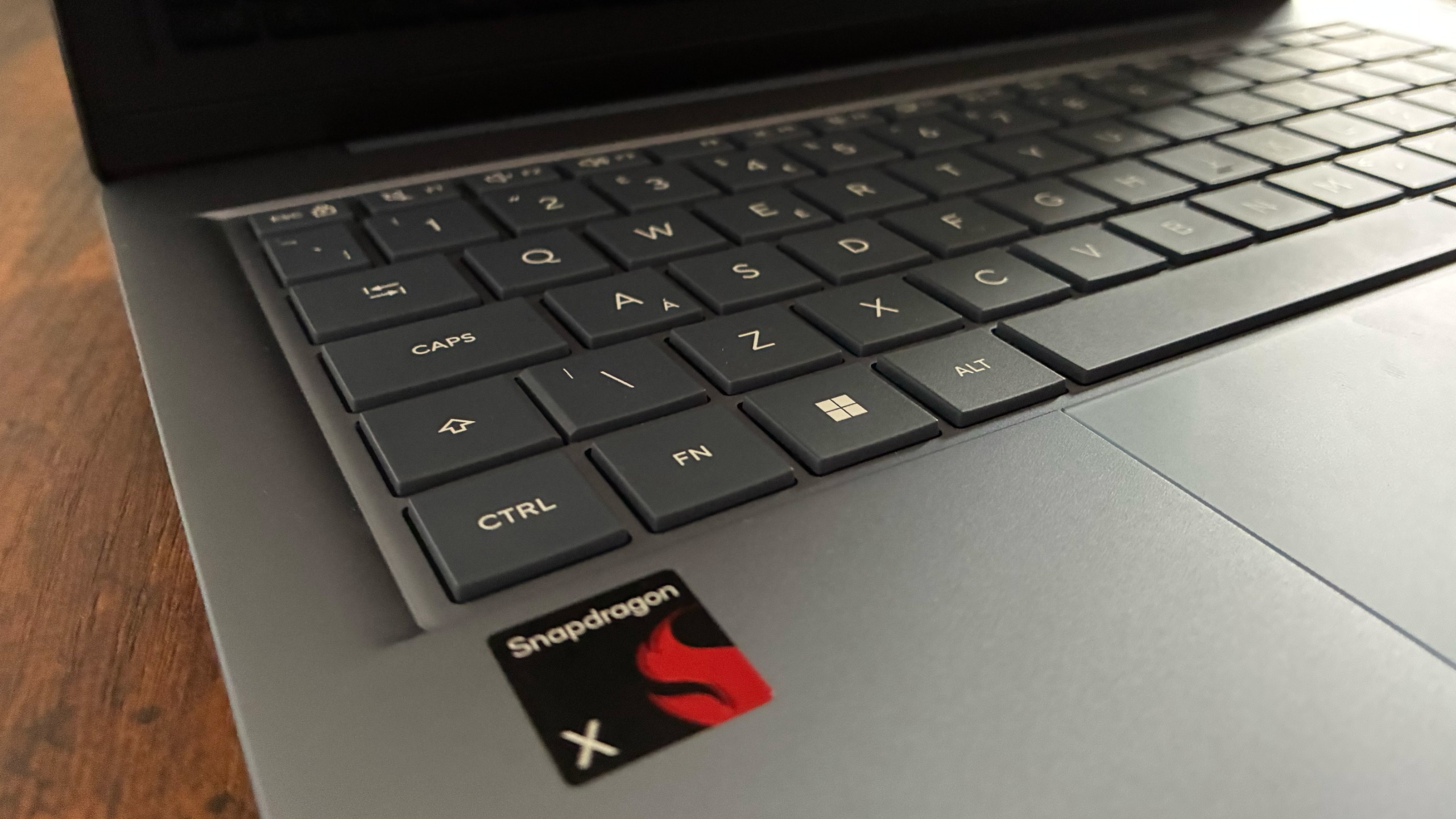
The new Asus Zenbook 14 represents a calculated balance between premium design and cost-effective performance. By leveraging the Snapdragon X platform, Asus has managed to maintain the thin-and-light identity of the Zenbook brand while bringing the price down to a level that is much easier for businesses and individuals to justify.
The trade-offs—specifically the shift to a slightly less powerful Snapdragon variant and the reduction in RAM and storage compared to the A14—are noticeable on a spec sheet but are unlikely to hinder the average office user. The standout OLED display and the robust "Ceraluminium" build quality ensure that the device still feels like a high-end tool. While the battery life may not reach the heights of Asus’s most optimistic claims, it remains dependable enough to get through a standard working day away from a power outlet.
For those who admired the aesthetics and portability of the earlier Zenbook A14 but were deterred by its premium price tag, this £799.99 model offers a compelling alternative. It is a stylish, lightweight, and capable machine that fits perfectly into the evolving landscape of modern, mobile work.
 Helpdesk & IT Service Management (ITSM)
Omnissa Appoints Industry Veteran Amit Singh as CEO to Lead Expansion into Agentic AI and Secure Digital Workspaces
Omnissa, a prominent global provider of digital work platforms, has announced a...
 Helpdesk & IT Service Management (ITSM)
The Trillion-Dollar ROI Challenge: Why AI Infrastructure Spending Must Spark a Global Innovation Revolution
As the global technology sector pivots toward an era defined by generative...
 Helpdesk & IT Service Management (ITSM)
Global Security Alert: North Korean Cybercriminals Target IT Freelancers in Multi-Million Dollar Fraud Campaign
International security agencies have issued a high-priority alert following the discovery of...







