
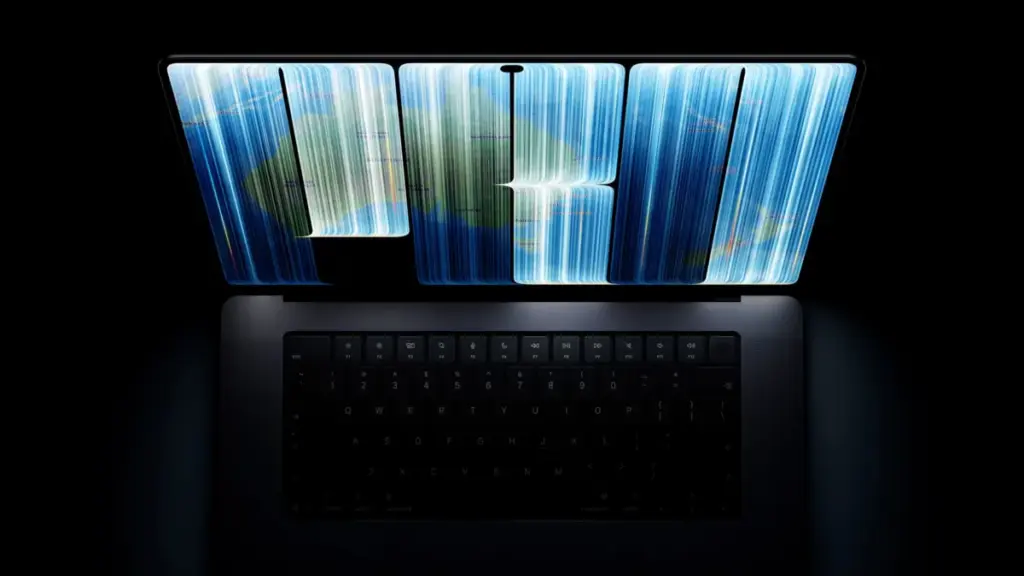
The next generation of Apple personal computing hardware has officially reached the hands of consumers. As Friday, November 6, dawns across Australia and New Zealand, early customers who placed preorders for Apple’s newly announced lineup—including the flagship PROLED touchscreen MacBook Pro, the updated OLED iPad mini, the entry-level M6 MacBook Pro, and the redesigned M6 24-inch iMac—are actively taking delivery of their shipments and making the first retail store purchases of the new hardware cycle.
This initial wave of deliveries marks the official start of a global rollout schedule determined by international time zones. Following the launch in Australia and New Zealand, retail availability and doorstep deliveries will progress across Asia, move into the Middle East and Europe, and finally conclude across North America later in the day. Australia serves as the premiere market where retail customers can walk directly into an Apple Store to purchase the new devices in person, though inventory levels are expected to vary significantly depending on the specific model requested.
Current delivery tracking and store availability metrics indicate a clear split in supply across the new lineup. Online preorders for the high-end PROLED touchscreen MacBook Pro models quickly stretched out, pushing estimated shipping windows into late November and early December for online orders placed after the launch event. Consequently, physical walk-in stock for the flagship laptop at Apple retail locations is expected to be tightly constrained during the initial launch weekend. Conversely, supply for the new OLED iPad mini, the entry-level 14-inch M6 MacBook Pro, and the refreshed 24-inch M6 iMac remains far more robust, with steady store stock and prompt online fulfillment expected across most launch regions.
As the first deliveries arrive, early adopters and tech enthusiasts are preparing to publish unboxings, benchmark results, photo galleries, and hands-on impressions across community platforms including the MacRumors forums, Reddit, Instagram, and YouTube. These real-world user evaluations will provide the broader public with an initial look at how Apple’s most radical display and input updates perform outside controlled laboratory environments, focusing particularly on the long-awaited arrival of touch controls on macOS and the transition to OLED screen technology in both laptops and compact tablets.
At the center of this product release is Apple’s high-end MacBook Pro lineup, available in both 14-inch and 16-inch form factors. Powered by the new M5 Pro and M5 Max system-on-chips, these machines represent a fundamental pivot for the Mac platform by introducing a touch-enabled screen alongside Apple’s first laptop implementation of an OLED panel, branded as the PROLED XDR display. Apple has described the hardware as featuring the world’s best display ever engineered into a professional laptop, targeting creative professionals who demand precise color representation, extreme contrast ratios, deep black levels, and high dynamic range performance.
Beyond the screen technology itself, the PROLED MacBook Pro introduces a sweeping industrial redesign. The new laptops feature a significantly thinner and lighter chassis than the mini-LED MacBook Pro models that preceded them, offering improved portability without sacrificing thermal performance or processing power. Notably, Apple has retained the existing mini-LED MacBook Pro configurations in its catalog as lower-cost alternatives, creating a clear two-tier structure within the professional laptop family.
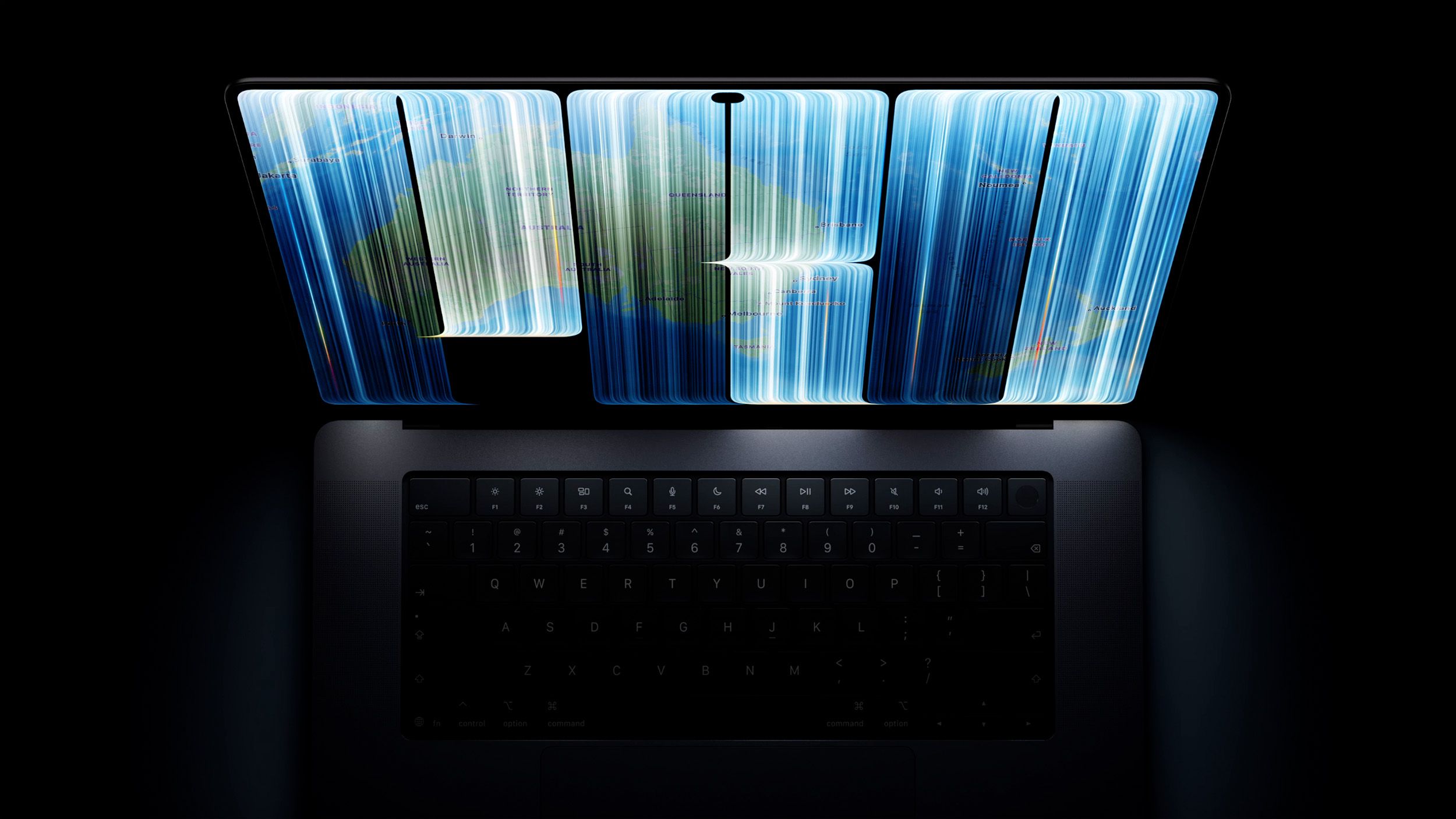
The physical hardware of the PROLED MacBook Pro also revives a beloved historical design motif while modernizing its front bezel layout. Apple has officially brought back the illuminated, glowing rear Apple logo on the laptop lid, a classic feature that was phased out a decade ago during previous design iterations. On the front of the display, the controversial display notch introduced in earlier silicon generations has been entirely removed and replaced with the Dynamic Island, adapting the interactive software notification standard first established on the iPhone to the Mac desktop experience.
Pricing for the high-end PROLED MacBook Pro reflects its position at the top of Apple’s portable computing hierarchy. The 14-inch model featuring the touchscreen PROLED display starts at $2,899, while the larger 16-inch variant begins at $3,399. The official launch comes just over a week after Apple formally unveiled the hardware at its special "Pro and tell" media gathering in Los Angeles on Wednesday, October 28. Prior to that event, industry rumors had widely speculated that Apple might launch these touch-enabled OLED machines under a brand-new "MacBook Ultra" moniker. However, much like previous industry reports surrounding a potential "iPhone Ultra" that ultimately debuted as the iPhone Duo, Apple chose to retain its classic naming convention, keeping the hardware rooted within the established MacBook Pro brand family.
Alongside the high-end laptops, the new OLED iPad mini represents the second major display milestone of this hardware release. Serving as Apple’s first compact tablet to feature OLED technology, the device is also the most affordable entry point for an OLED-equipped iPad in the company’s current product lineup. The new 8.5-inch display delivers vibrant colors, infinite contrast ratios, and crisp visuals in a portable form factor, with Apple offering an optional nano-texture display finish designed to minimize glare and reflection in high-brightness environments.
Under the hood, the new iPad mini is driven by Apple’s flagship A20 Pro chip, providing substantial CPU, GPU, and Neural Engine performance gains over previous generations. The device has undergone a substantial internal and external structural redesign, measuring nearly a full millimeter thinner than its direct predecessor. To achieve this streamlined profile without compromising audio quality or structural integrity, Apple engineered an Acoustic Display system that emits sound directly through micro-vibrations in the display assembly itself, completely eliminating traditional speaker holes along the outer aluminum casing.
By eliminating external speaker grilles and fully sealing the perimeter of the chassis, Apple has achieved an IP67 rating for dust and water resistance on the new iPad mini. This marks the first time in the history of the product line that any iPad model has received an official ingress protection rating against liquid and dust exposure, making the tablet substantially more durable for field work, travel, and harsh outdoor environments. Additional platform enhancements on the new iPad mini include a repositioned landscape front-facing camera optimized for video calls, as well as integration of Apple’s proprietary N1 wireless silicon, which adds native support for Wi-Fi 7 and Bluetooth 6 protocols. The upgraded OLED iPad mini starts at a competitive price point of $699.
Rounding out the hardware arrivals are the standard entry-level 14-inch MacBook Pro and the 24-inch iMac. Unlike their high-end PROLED and OLED counterparts, these mainstream machines maintain their existing industrial designs and display technologies, focusing their updates primarily on internal performance enhancements powered by the base M6 chip. The 14-inch M6 MacBook Pro continues to serve as the entry gateway to Apple’s pro laptop line with a starting price of $1,999, providing a balance of modern silicon efficiency and robust legacy connectivity. Meanwhile, the 24-inch M6 iMac retains its colorful, all-in-one desktop enclosure, starting at $1,499 to serve home, educational, and general business desktop environments.
This coordinated multi-product release demonstrates Apple’s broader hardware strategy heading into late 2026, balancing groundbreaking display innovations and new input paradigms on premium devices with steady silicon iterations across core consumer products. As time zones advance throughout the day, retail stores worldwide will open their doors to welcome walk-in buyers, and global courier networks will complete the first wave of home deliveries, kicking off an intensive period of real-world user testing and software adaptation for Apple’s newest computing platform.
 macOS & Apple IT Support
Apple Details tvOS 27.2 Features in Official Release Notes, Highlighting Remote Tracking, FaceTime Enhancements, and Screen Saver Updates
Apple has updated its official support documentation to outline the full feature...
 macOS & Apple IT Support
Walmart Launches 2026 Black Friday Savings Event With Phased Online and In-Store Rollout
Walmart has officially launched its 2026 Black Friday shopping event, kicking off...
 macOS & Apple IT Support
Apple Releases HomeView Smart Home Hub: Detailed Look at Hardware, Features, and Setup Nuances
Apple officially released its new HomeView smart home hub on Friday, November...







