
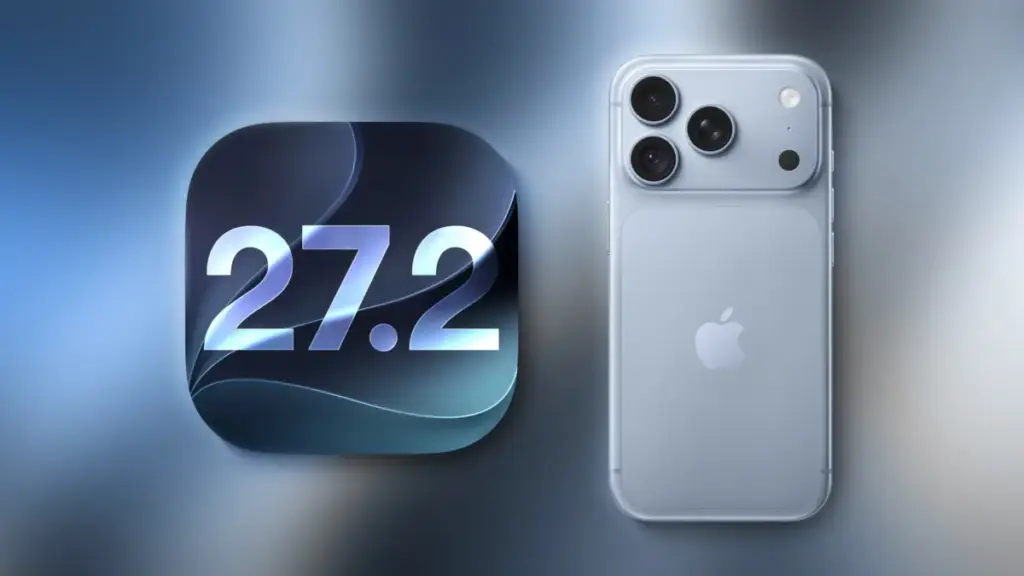
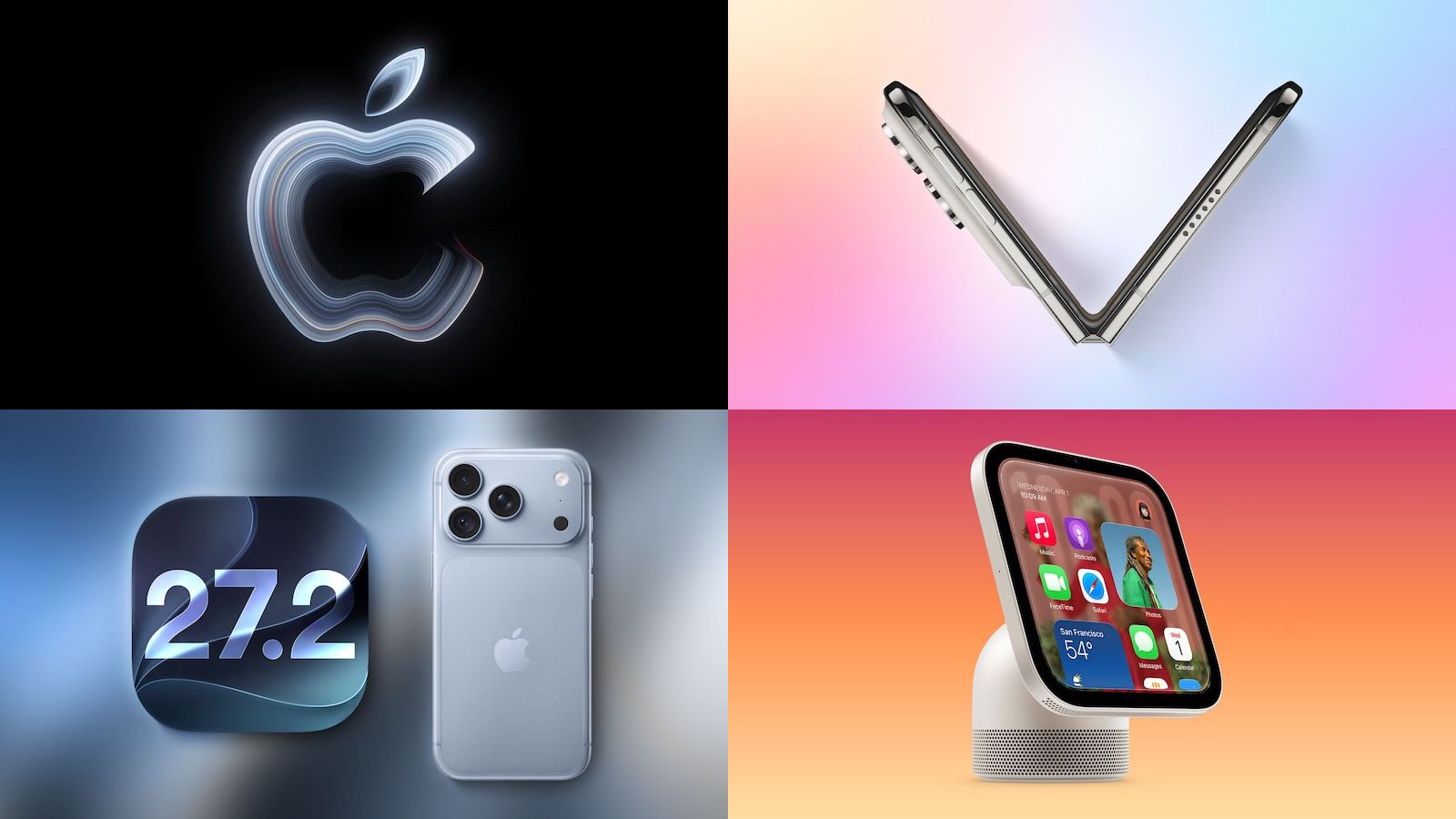
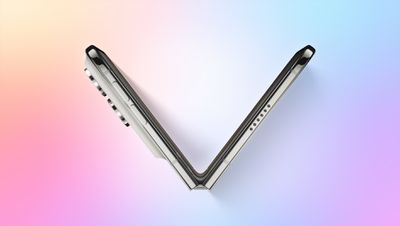
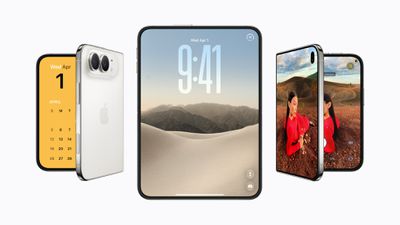
In what is proving to be one of the most intense autumn product release cycles in recent history, Apple has capped off another action-packed week filled with major hardware milestones and upcoming software updates. Fresh off the heels of releasing its standard flagship lineup, including the iPhone 18 Pro and Pro Max earlier this season, as well as holding a dedicated "Welcome Home" smart home showcase earlier in October, the company reached a new landmark with the official retail debut of its first foldable smartphone, the iPhone Duo.
Far from slowing down after the arrival of its groundbreaking new foldable device, Apple has already begun setting the stage for yet another series of hardware announcements. With an unexpected event teaser sent out to members of the press, new software builds hitting release candidate status, and carrier pricing details coming to light, the pace of news coming out of Cupertino remains relentless.
Top Stories
Apple Teases ‘Pro and Tell’ Media Event in Los Angeles
Apple is keeping the momentum of its fall launch parade going full force. The company officially distributed invitations and teasers for its next wave of product introductions under the distinct tagline "Pro and tell." Rather than hosting a traditional keynote streamed entirely from Apple Park in Cupertino, Apple is preparing a specialized media "experience" hosted in Los Angeles on Wednesday, October 28. Analysts and industry observers expect the announcements to roll out via a series of detailed press releases alongside the hands-on event for press in California.
The choice of branding for the upcoming event has ignited widespread discussion across the industry. The visual design of the invitation—featuring a stylized, animated Apple logo—heavily hints at long-standing rumors surrounding Apple’s display and input technologies. Specifically, market watchers point to the graphic as a nod toward the prospective arrival of a touchscreen laptop. Rather than establishing an entirely new product category under the rumored "MacBook Ultra" moniker, reports suggest that touch functionality will be integrated directly into the established MacBook Pro family.
In addition to the potential debut of a touch-capable MacBook Pro, the upcoming Los Angeles media gathering is expected to serve as the launchpad for several other key hardware refreshes. Among the anticipated devices is the iPad mini 8, which is rumored to be adopting an OLED display for the first time, delivering significantly improved contrast and color accuracy to Apple’s smallest tablet. On the Mac front, entry-level performance is slated for a boost, with rumors pointing toward updated desktop iMac models and a refreshed base 14-inch MacBook Pro, both powered by the next-generation M6 chip.
iPhone Duo Launches to Historic Lines and Backordered Shipments
The official store launch of Apple’s first foldable smartphone, the iPhone Duo, took place on Friday, triggering a level of consumer frenzy at retail locations that had not been seen in several product generations. Pre-orders for the innovative foldable device opened last week to what Apple described as "extraordinary" initial demand. Supply was swallowed up almost immediately, causing estimated delivery windows for online orders to slip rapidly from launch day all the way into January 2027.
Facing multi-month wait times for home delivery, thousands of hopeful buyers took their chances in person, arriving early Friday morning at flagship Apple Stores around the world in hopes of securing a walk-in allocation. The scene represented a striking return to the massive, block-spanning physical queues that historically defined major iPhone launch days. In recent years, Apple had successfully transitioned its retail strategy toward encouraging pre-arranged online orders with scheduled pickup slots, which had largely eliminated overnight lines.
The sudden return of retail crowding occurred despite efforts by Apple management to temper expectations. Internal communications revealed that store personnel had been instructed to explicitly warn walk-in shoppers against standing in line without a reservation, as walk-in stock was severely restricted. Apple subsequently confirmed that physical store availability of the iPhone Duo on launch day would remain extremely limited across most global markets.
Despite the tight inventory constraint, a small percentage of persistent walk-in customers managed to purchase units off the shelf on Friday. To help manage the continuing surge in demand, Apple has begun selectively reopening its online order system for in-store pickup, allowing customers to claim localized store stock as fulfillment centers replenish inventory.
Software Adaptation on the iPhone Duo Form Factor
With the physical hardware now in the hands of early adopters and tech reviewers, attention has quickly shifted to how the operating system and applications adapt to the iPhone Duo’s dual-display, foldable canvas. Ahead of Friday’s launch, developer updates to the App Store provided an early look at how Apple redesigned its core system applications to take full advantage of the expanded screen real estate. Stock apps such as Mail, Calendar, Notes, and Files have been reworked to display split-pane layouts, side-by-side multitasking, and contextual controls that trigger based on how far the hinge is opened.
However, early hands-on reviews from technology outlets highlight a split experience between first-party software and third-party software. While Apple’s built-in applications feel natively designed for the unique aspect ratio, many popular third-party applications have yet to release dedicated updates tailored to the device. By default, unoptimized applications launch in a traditional, single-screen iPhone aspect ratio. This leaves significant portions of the display unused, surrounding non-native apps with thick pillarboxes or black borders until developers issue specific patches and adaptive UI updates.
Verizon Details $10 Monthly Charge for iOS 27 ‘iPhone Handoff’
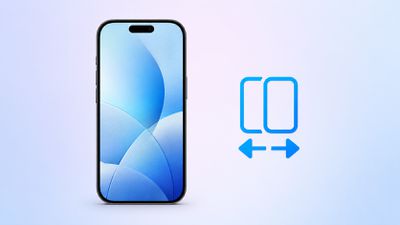
As part of the recent major release of iOS 27, Apple introduced a specialized telecommunications feature known as iPhone Handoff. Designed to simplify multi-device usage, the feature enables two separate physical iPhones to share a single, primary phone number seamlessly. Users can switch actively between two handsets—such as swapping from a standard pocket-sized device to the larger foldable iPhone Duo—without needing to transfer physical SIM cards or manually reconfigure eSIM profiles. Incoming calls, text messages, and cellular data services route dynamically to whichever device is actively in use.
Because iPhone Handoff relies on specialized carrier-side network architecture to manage dual-device line routing, widespread adoption depends heavily on wireless service provider support and pricing structures. Carrier integration remains relatively sparse, and operators are treating the feature as an add-on service.
T-Mobile was the first major U.S. carrier to sign on, setting its pricing for iPhone Handoff at a modest $5 per month per account. This week, Verizon announced its own support rollout for the feature, but confirmed a higher fee structure. Verizon subscribers wishing to link two iPhones to a single phone number via Handoff will be charged a extra $10 per month, doubling the price established by its competitor.
iOS 27.2 Release Candidate Signals Imminent Public Update
Developers and public beta testers received the Release Candidate (RC) seeds of iOS 27.2, iPadOS 27.2, and paired system updates this week. The release of RC builds indicates that software development for this minor cycle has wrapped up, pointing toward a final public rollout to all supported devices as early as next week.
Throughout the beta testing phase, much of the community’s attention was focused on a heavily redesigned version of the Health app, which featured an overhaul of user data visualization and proactive wellness tracking. However, Apple chose to strip the revamped Health interface out of the final Release Candidate build. Sources indicate that Apple intends to subject the new Health features to further internal testing and validation before releasing them in a subsequent software patch later this year.
Despite the temporary removal of the Health app overhaul, iOS 27.2 still packs several noteworthy changes and refinements. The update incorporates fresh branding, a updated application icon, and new color themes for Apple Music following a broader service rebrand announced earlier in the month. Furthermore, the Apple TV app now officially supports customized individual user profiles on mobile devices, allowing family members to maintain distinct watch histories and personalized recommendations on shared tablets and phones. Apple has also broadened its Siri AI ecosystem within iOS 27.2, adding support for several additional international languages and localized dialects.
Rumors Point to ‘HomeView Max’ Smart Display With Robotic Mount
While consumer focus was fixed on smartphones and upcoming Mac updates, new details surfaced regarding Apple’s long-term roadmap for the smart home market. Following the recent unveilings at the "Welcome Home" event on October 13—where Apple formally introduced its home architecture along with the standard 7-inch HomeView smart hub display—reports are already emerging about a higher-end sibling device currently under development.
According to details reported by Bloomberg’s Mark Gurman, Apple is actively engineering an advanced smart home command center tentatively referred to as the "HomeView Max." Unlike the entry-level HomeView hub designed for tabletop or wall placement, the "HomeView Max" is slated to feature a larger 9-inch display mounted atop a motorized base powered by a quiet robotic arm.
The motorized mechanism will allow the 9-inch screen to swivel a full 360 degrees horizontally, as well as tilt vertically. Using spatial audio and computer vision tracking, the display can automatically orient itself to face an active user moving around a room. The feature is intended to keep screen contents, smart home controls, and incoming video calls persistently visible during hands-free operation in high-traffic areas like kitchens or living rooms. The "HomeView Max" is currently targeted for a commercial launch within the next one to two years as Apple expands its footprint in home automation.
 macOS & Apple IT Support
Amazon Slashes Prices on Apple M6 Mac Mini and M5 Max Mac Studio in Latest Weekend Sales Event
Amazon has introduced significant price reductions across Apple’s desktop computer lineup this...
 macOS & Apple IT Support
Apple Explores Major Siri Overhaul to Build Autonomous AI Agent Rivaling Competitors
Apple’s virtual assistant ecosystem may be approaching its most fundamental architectural shift...
 macOS & Apple IT Support
Apple Festival Place Permanently Closes as Apple Prepares Modernized Retail Space in Nearby Reading
Today marks the official conclusion of Apple’s retail operations at Festival Place...







