
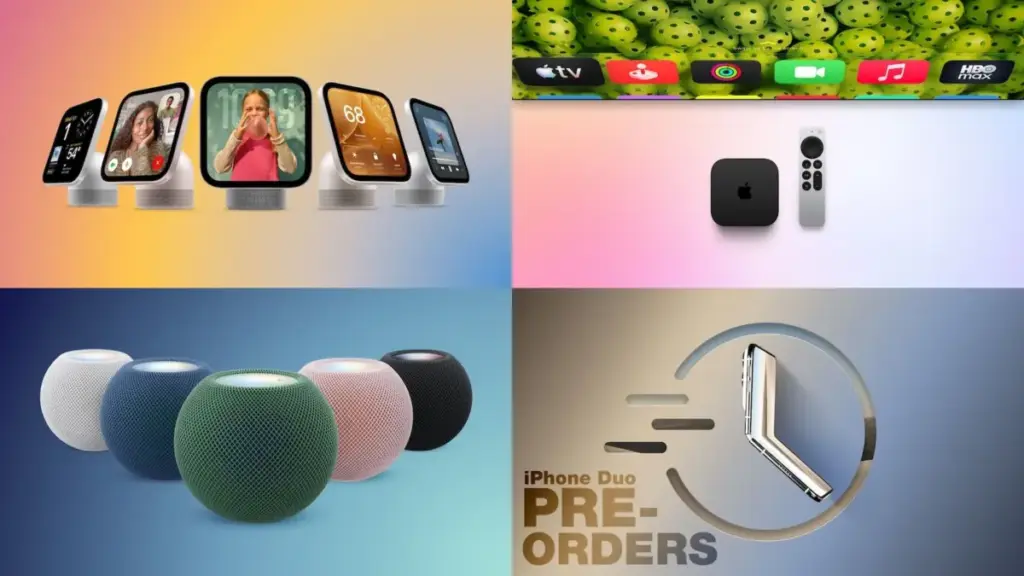
Fourth-Gen Apple TV 4K Arrives With A19 Chip, Hands-Free Siri, and $299 Price Tag
Alongside the HomeView, Apple unveiled the fourth-generation Apple TV 4K, marking the first hardware revision for its set-top box in four years. The upgraded streamer receives a substantial performance boost and new voice interaction capabilities, though it also brings a noticeable increase in cost.
At the heart of the new Apple TV 4K is the A19 chip, providing a sharp bump in processing power and graphical overhead compared to prior generations. The updated silicon brings localized Siri AI processing directly to the set-top box, enabling faster voice query processing and more fluid navigation across tvOS.
To make voice interactions more seamless, Apple has embedded an array of microphones directly into the chassis of the Apple TV box itself. This inclusion allows users to execute hands-free Siri AI commands across the room without needing to locate or press a button on the physical remote control.

The accompanying Siri Remote has also been redesigned. The updated remote now incorporates Apple’s Find My infrastructure with Precision Finding, paired with an integrated chassis speaker. If the remote becomes lost between couch cushions or under furniture, users can trigger an audible chime from an iPhone or ask Siri on the Apple TV box to pinpoint the remote’s location using visual directional prompts. For owners of existing set-top boxes, Apple plans to sell the upgraded Siri Remote as a standalone accessory.
The fourth-generation Apple TV 4K carries a revamped price structure, launching at $299—a significant price hike over previous iterations. Pre-orders are currently live, with official customer deliveries and retail availability set to commence on November 13 alongside the HomeView hub.
HomePod Mini 2 Brings S10 Computational Audio and ‘Sound Glow’ for $149
Rounding out Apple’s "Welcome Home" hardware wave is the second-generation HomePod mini. Retaining its compact spherical design, the HomePod mini 2 introduces a refreshed color palette alongside updated internal audio components and visual lighting effects.
The HomePod mini 2 is powered by Apple’s S10 chip, enabling enhanced computational audio features. According to Apple, the S10 processor analyzes playback in real-time to adjust dynamic range, acoustic output, and overall volume, optimizing sound output based on room placement and the characteristics of the media being played. The device also supports a four-speaker surround sound configuration when paired with compatible audio hardware or grouped within a multi-room setup.
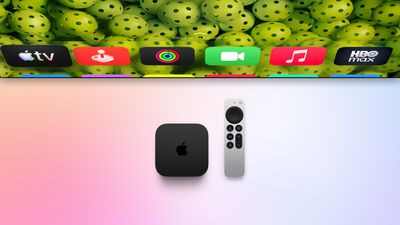
A central feature of the new HomePod mini 2 is "Sound Glow," an ambient illumination system built into the top touch panel of the speaker. Instead of displaying a static interface, the illuminated top surface acts as a visual canvas that glows, animates, and pulses in real-time synchronicity with music. The visual lighting system reads treble and bass frequencies while sampling color tones from the playing track’s album artwork, creating a customized visual display tailored to individual songs.
Apple has set the price of the HomePod mini 2 at $149. Pre-orders are currently underway, with shipping and store launch scheduled for October 30. However, Apple noted that built-in Siri AI capabilities will not be available at launch and will instead be enabled through an over-the-air software update released at a later date.
 macOS & Apple IT Support
Anthropic Updates Usage Policy to Ban Cruel and Abusive Treatment of Claude AI Models
Artificial intelligence safety startup Anthropic has officially updated its Acceptable Use Policy,...
 macOS & Apple IT Support
Apple Leaks Reveal New Hardware Pipeline as $250 Million Siri AI Settlement Portal Opens
The ecosystem surrounding Apple moves at a relentless pace, with hardware leaks,...
 macOS & Apple IT Support
Apple TV and HomePod Mini Face Extended Shipping Delays as Code Leaks and Software Betas Signal Incoming 2026 Models
Customers looking to purchase an Apple TV or a HomePod mini through...







