As Apple prepares to host its highly anticipated "Welcome Home" special event on October 13, the tech giant is setting the stage for a fundamental shift in how users interact with their living spaces. While the event is expected to showcase a new lineup of Home hardware, the software foundation has already begun to take shape within the latest iterations of iOS 27. The upcoming operating system introduces a suite of sophisticated upgrades to the Home app, leveraging the power of Apple Intelligence to transform the smart home from a collection of connected devices into an intuitive, self-aware ecosystem.
The enhancements arriving with iOS 27 represent the most significant overhaul of the Home app since its visual redesign several years ago. By integrating advanced machine learning and high-resolution video capabilities, Apple is addressing long-standing user requests while simultaneously pushing the boundaries of residential security and automation. Two primary pillars define this update: a massive technical leap for HomeKit Secure Video and a radical simplification of the notification system through real-time activity synthesis.
HomeKit Secure Video Receives a High-Definition Intelligence Boost
For years, HomeKit Secure Video (HKSV) has been a cornerstone of Apple’s privacy-focused security strategy. Included with iCloud+ subscriptions, the service provides users with end-to-end encrypted video storage, ensuring that footage remains accessible only to the homeowner and not to third-party providers or even Apple itself. However, as camera hardware evolved to offer higher resolutions, the service remained capped at 1080p, a limitation that became a point of contention for enthusiasts seeking greater detail in their security feeds.
iOS 27 finally breaks this barrier. Apple has officially confirmed that supported HomeKit Secure Video cameras can now stream and record in 4K resolution. This move brings Apple’s ecosystem into parity with high-end dedicated security systems, allowing users to zoom into recorded footage with significantly more clarity—a crucial factor when attempting to identify distant license plates or fine facial features. The transition to 4K is not merely a hardware-dependent update; it requires a robust backend infrastructure to handle the increased data throughput while maintaining the strict encryption standards that define the platform.
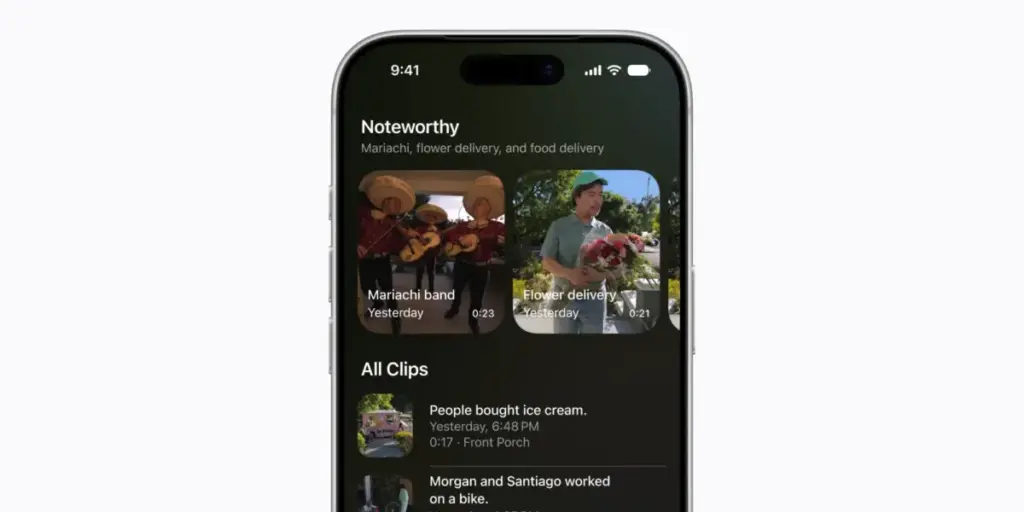
Beyond the resolution increase, Apple Intelligence is being woven into the fabric of the video experience. The integration of generative AI and advanced computer vision enables three transformative features designed to save users time when reviewing their footage.
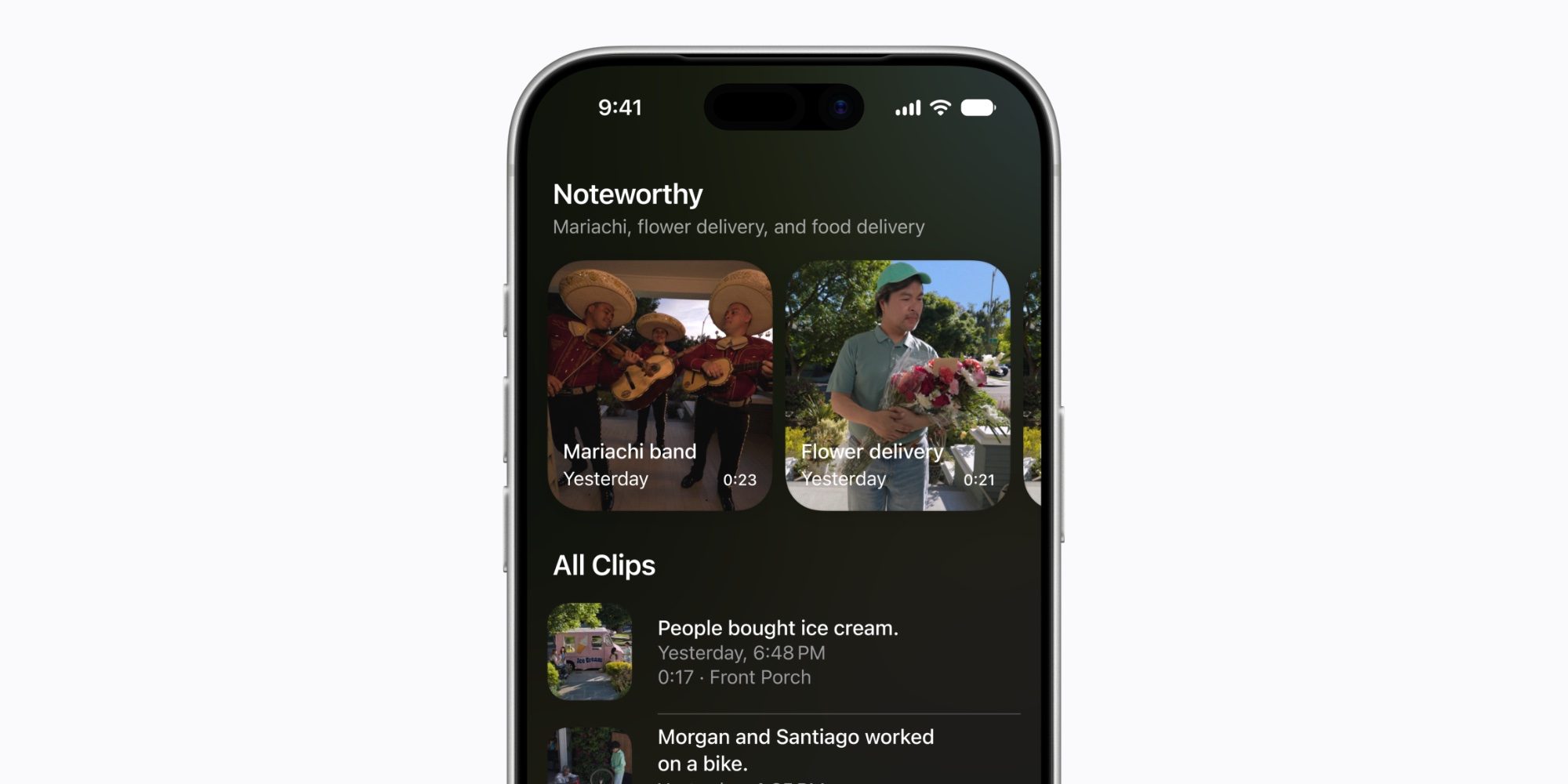
The first of these is an intelligent search capability. Rather than manually scrubbing through hours of motion-triggered clips, users can now use natural language to find specific events. By typing or asking Siri for something as specific as "show me when the delivery driver left a package on the porch" or "find clips of the dog in the backyard this morning," the Home app can instantly surface the relevant segments. This capability relies on on-device processing to analyze the content of video frames, identifying objects, people, and actions without compromising the user’s privacy.
Complementing this is the new AI-powered summary feature. At the end of the day, or upon request, the Home app can generate a concise text-based summary of the day’s activity. Instead of a list of "Motion Detected" alerts, the app might provide a narrative overview, such as: "The house was quiet until 3:00 PM when the kids arrived home. Three packages were delivered between noon and 4:00 PM, and the gardener was active in the side yard for thirty minutes." This high-level perspective allows homeowners to stay informed without being overwhelmed by raw data.
The third AI-driven video upgrade focuses on refined activity recognition. While HKSV has long been able to distinguish between people, animals, and vehicles, iOS 27 introduces a more granular understanding of context. The system can now recognize specific behaviors and patterns, allowing for more nuanced automations. For instance, a user could set an automation that only triggers a specific light scene if the camera detects a person "lingering" near the front door for more than a minute, rather than simply passing by.
For those looking to take advantage of these new capabilities, the market for HKSV-compatible hardware remains robust. Industry leaders like Logitech, with its Circle View series, and Eve, with its focused lineup of outdoor and indoor cameras, continue to be the primary recommendations for users seeking the most seamless integration with Apple’s native features.
Streamlining the Experience with Real-Time Notification Updates
While the video upgrades provide deeper insights, the second major pillar of the iOS 27 Home app update addresses a more common daily frustration: notification fatigue. In a modern smart home equipped with motion sensors, smart locks, and cameras, a single event—such as a family member returning home—can often trigger a cascade of individual alerts. A user might receive separate notifications for a person detected by the doorbell, the door being unlocked, and the security system being disarmed, all within a matter of seconds.
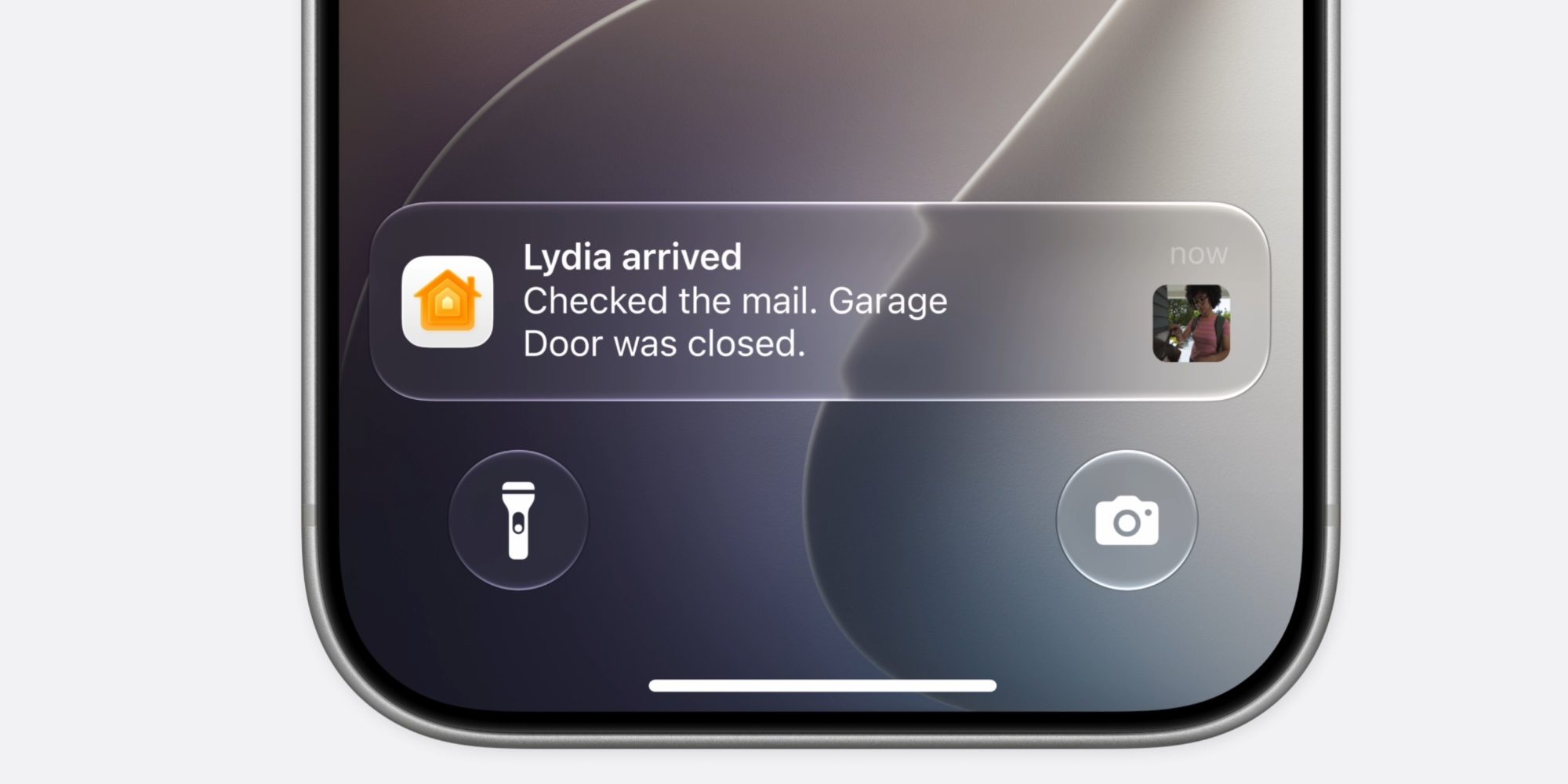
Apple is utilizing Apple Intelligence to solve this "notification spam" by introducing real-time updating notifications. This feature enables the Home app to understand related notifications as a single, continuous activity. Rather than populating the Lock Screen with a long list of static alerts, the app will now provide a single, dynamic notification that updates as the event unfolds.
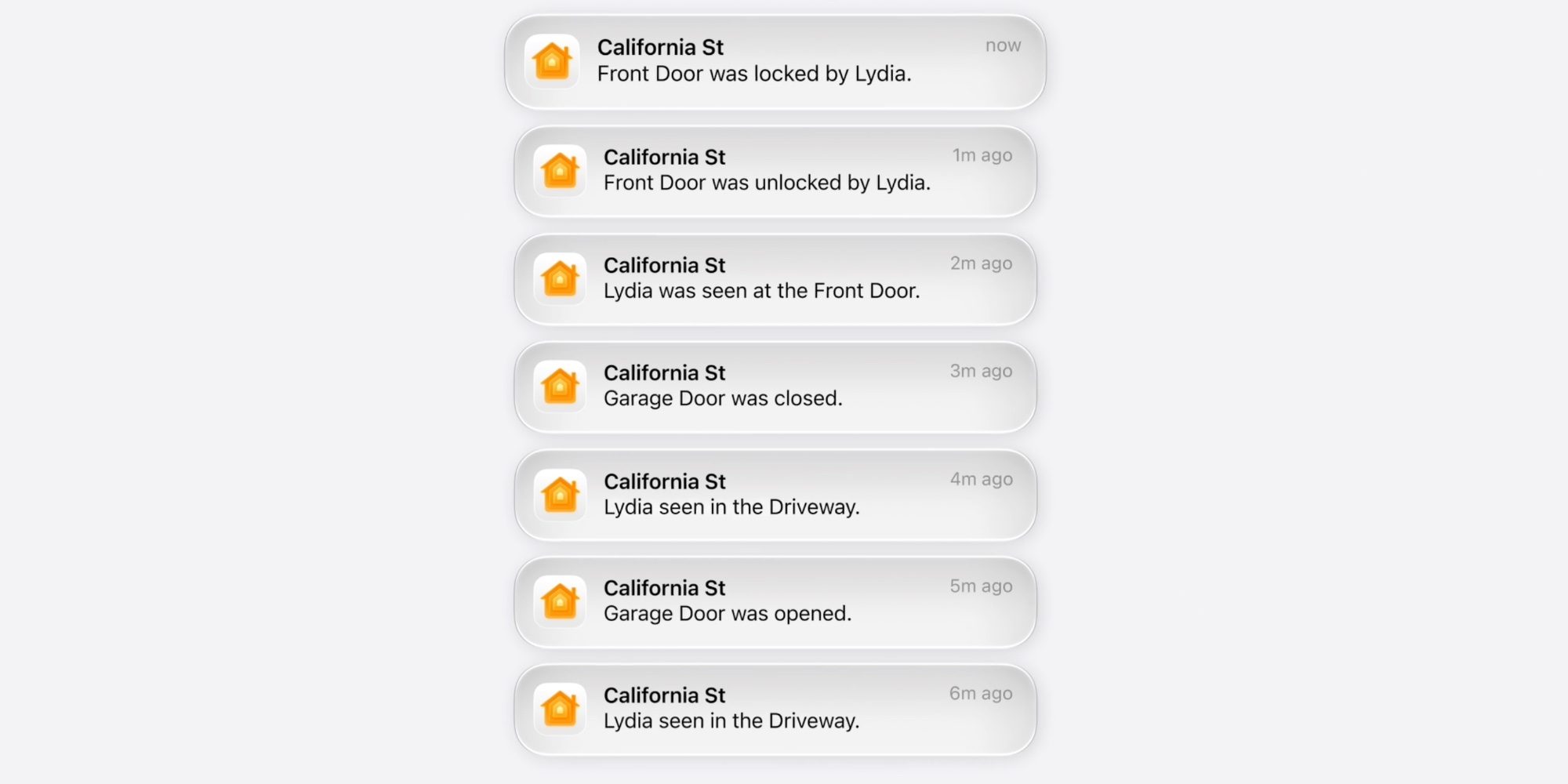
Inside the updated settings of the Home app, a new "Apple Intelligence" section features a "Reduce Notifications" toggle. The description for this feature explains that it will "combine related activities, such as someone arriving and unlocking the door, in one notification that updates in real time."
To illustrate the practical impact of this change, consider a typical arrival scenario. Under the old system, a user’s phone might ping seven or eight times as a resident pulls into the driveway and enters the house. In iOS 27, those fragmented alerts are synthesized into a single, evolving narrative. A single alert might initially say "Lydia arrived," and then, as the actions occur, it will update to read: "Lydia arrived. Checked the mail. Garage door was closed."
This approach draws inspiration from the "Live Activities" framework found elsewhere in iOS, providing a live, glanceable status of home events. By focusing on the latest and most relevant information, the Home app ensures that users stay informed about the status of their property without the cognitive load of managing dozens of redundant alerts. It transforms the notification center from a log of sensor triggers into a meaningful summary of household events.

The Broader Strategy: A Unified Intelligence
The timing of these software reveals, just days before the October 13 event, suggests that Apple is positioning the smart home as a primary beneficiary of its broader "Apple Intelligence" initiative. By moving the processing of video and sensor data into the realm of generative AI, Apple is attempting to bridge the gap between "connected" devices and truly "smart" ones.
The "Welcome Home" event is widely expected to introduce new hardware that can act as the local "brains" for these operations. While the iPhone handles much of the interface, the local processing of 4K video and the synthesis of real-time notifications likely rely on the latest silicon found in HomePods or a rumored new home hub device. This local processing is central to Apple’s value proposition, offering a level of speed and privacy that cloud-dependent competitors struggle to match.
As the smart home market matures, the focus is shifting away from the novelty of controlling lights with a phone and toward the utility of a home that anticipates and summarizes its own status. With iOS 27, Apple is making a clear statement: the future of the Home app is not just about more buttons or more cameras, but about more intelligence. By streamlining how data is recorded and how it is communicated to the user, Apple is refining the smart home experience into something that feels less like a technical project and more like a natural extension of the modern household.

With these updates, Apple is not only addressing the technical demands of power users—such as 4K video support—but also the everyday needs of the average family looking to reduce the digital noise of a connected life. As users begin to explore the "Reduce Notifications" feature and the high-resolution capabilities of HKSV, the Home app is poised to become an even more essential tool in the Apple ecosystem. The upcoming "Welcome Home" event will likely provide the final pieces of the puzzle, revealing the new hardware designed to bring these ambitious software features to life.
 Smart Home & IoT Solutions
Simplifying the Smart Home: Why the Apple Home Collection Could Finally Bridge the Gap to Mass Adoption
For those who inhabit the world of technology reporting and enthusiast forums,...
 Smart Home & IoT Solutions
Apple Expands Smart Home Ecosystem with New Aqara Accessories and Third-Party Hardware Ahead of Major Product Launches
In a significant update to its retail and digital storefronts this week,...
 Smart Home & IoT Solutions
Report: Apple ‘HomeView’ smart home hub will ship in November, come in four colors, A18 chip
The HomeView represents a departure from Apple’s previous hardware philosophies for the...