
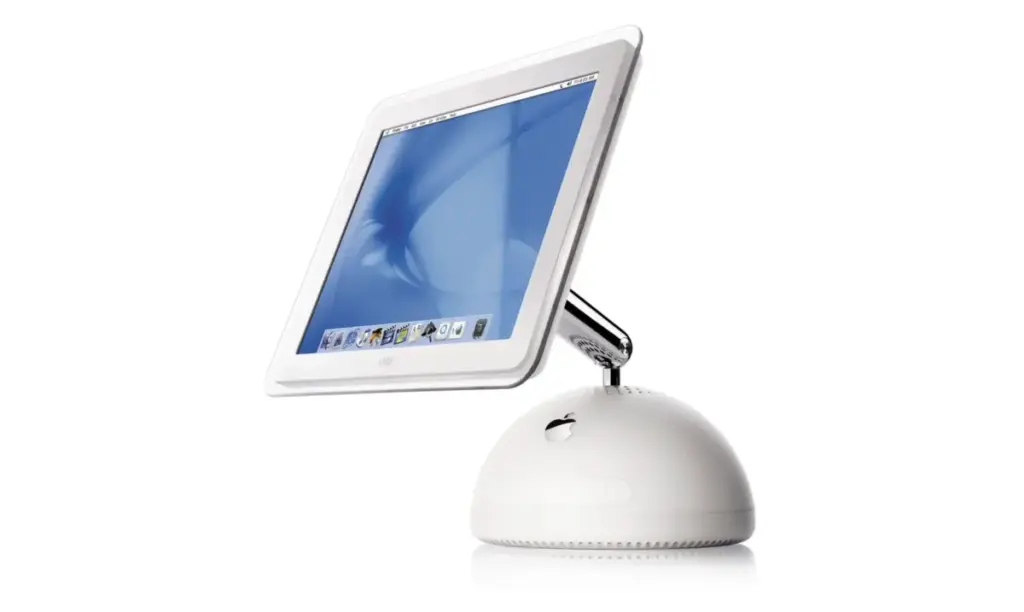
In a move that marks a significant expansion of its hardware ecosystem, Apple is reportedly less than two weeks away from unveiling its first dedicated smart home display. The long-anticipated device, which has been the subject of speculation for years, aims to centralize the management of the modern connected household while reviving one of the most beloved design languages in the company’s history.
According to a comprehensive report from Bloomberg’s Mark Gurman, Apple is finalising the launch of a new home hub designed to serve as the command center for Apple’s HomeKit and Matter-enabled ecosystem. This launch represents Apple’s most aggressive push into the smart home category since the debut of the original HomePod, signaling a strategic shift toward dedicated domestic hardware that moves beyond the capabilities of the iPad or the Apple TV.
A Design Nod to the Past: The Return of the iMac G4 Aesthetic
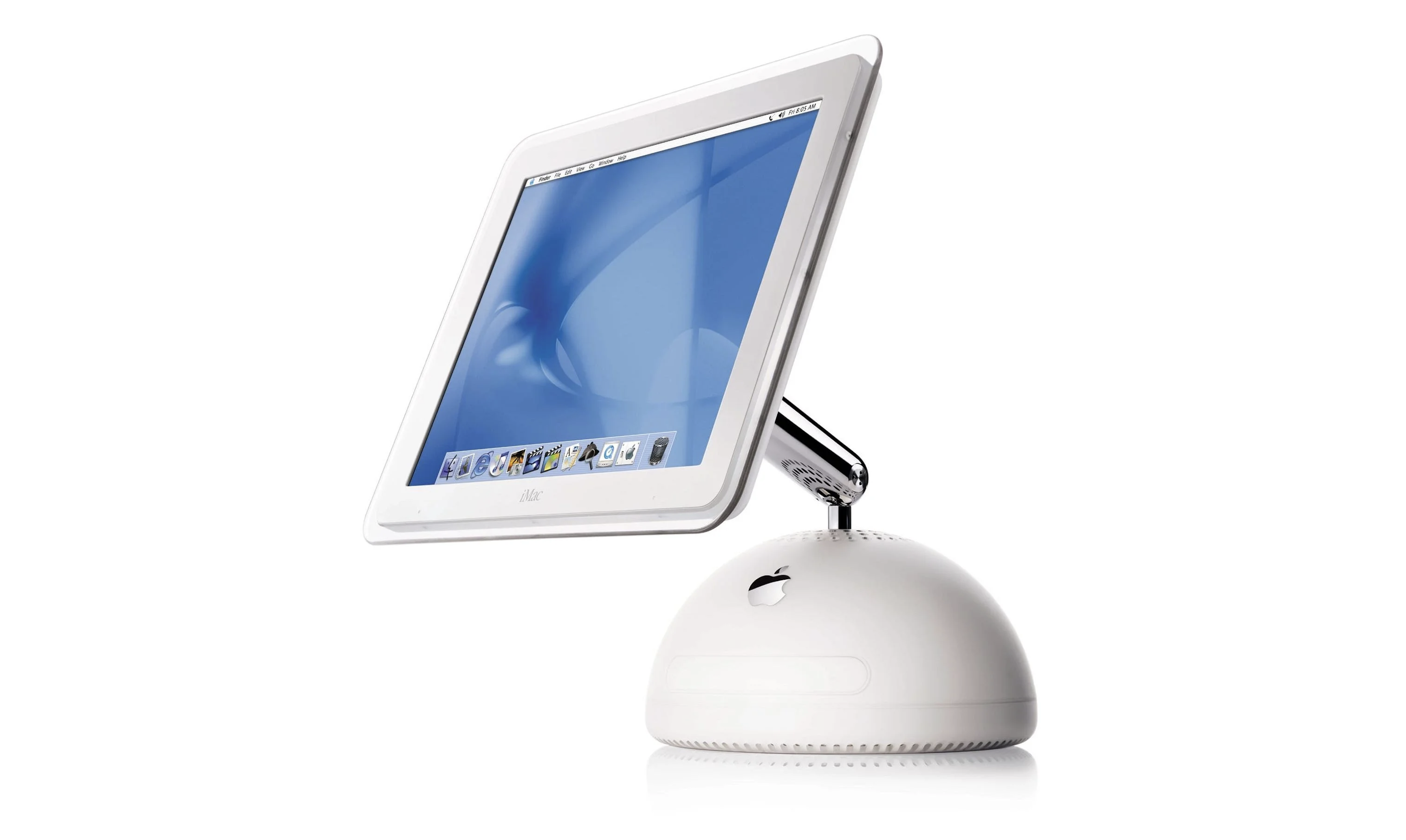
Perhaps the most striking detail emerging from the report is the device’s physical form factor. Apple is reportedly looking to its own archives for inspiration, specifically the iconic iMac G4. Released in the early 2000s, the iMac G4—often referred to as the "Sunflower"—was celebrated for its innovative half-dome base and its flexible chrome neck that supported a floating display.
The new smart home hub is said to feature a similar design philosophy. It reportedly utilizes a small, half-dome-shaped base that houses the internal components and speakers, with a metal arm extending upward to hold the display. This architectural choice is not merely aesthetic; it is highly functional for a home environment. By using a pedestal and an adjustable arm, Apple allows users to tilt and swivel the screen, making it easier to view from different heights—whether sitting at a kitchen island or standing across a room.

The display itself is described as a 6-inch square, a unique aspect ratio that deviates from the widescreen formats found on iPhones and iPads. This square configuration suggests a user interface optimized for "widgets" and quick-access controls rather than long-form video consumption. Gurman reports that the screen is "about as thick as an iPhone," maintaining a slim profile that belies its role as a stationary hub.
Further refining the hardware’s appearance, the device reportedly features quarter-inch black bezels surrounding the screen, a design choice reminiscent of older iPad models. In keeping with Apple’s modern industrial design language, the unit features rounded corners with "no sharp edges," ensuring it blends seamlessly into a variety of home decors.
The Two-Tiered Hardware Strategy
The Bloomberg report reveals that Apple’s ambitions for the smart home are not limited to a single tabletop unit. The company is reportedly developing two distinct versions of the hub to address different installation needs within the home.
The first is the aforementioned tabletop model with the iMac G4-inspired base. This version is intended for high-traffic areas like kitchen counters, bedside tables, or desks, where portability within a room and adjustable viewing angles are paramount.
The second version is a more specialized variant "designed to be mounted on a wall." This model appears to target the professional home automation market, where dedicated wall panels are often used to control lighting, climate, and security systems. Unlike the tabletop version, the wall-mounted unit features a thin, square-shaped base located beneath the display. This base houses the essential audio hardware—specifically the speakers and microphones—and is designed to sit flat against the wall, creating a flush, integrated appearance.
Both versions are expected to utilize USB-C for power, continuing Apple’s industry-wide transition away from proprietary connectors and the older Lightning standard. This choice ensures that users can easily integrate the devices into existing cable management systems, particularly for the wall-mounted version which may require custom wiring.
Bridging the Gap in the Apple Ecosystem
For years, Apple’s presence in the smart home has been fragmented. While the HomePod and HomePod mini provided high-quality audio and Siri integration, they lacked a visual interface. Conversely, the Apple TV provided a powerful hub for the television, but it was not designed for quick, "glanceable" interactions. While many users have repurposed iPads as wall-mounted controllers, the tablet’s battery-centric design and software limitations often made it a suboptimal solution for a permanent home fixture.
This new smart display is intended to be the "missing link." By providing a dedicated, always-on screen, Apple is creating a focal point for the home. The 6-inch display is expected to run a new operating system—tentatively referred to in previous rumors as "homeOS"—which is likely based on the foundations of tvOS and iPadOS.
The interface is expected to be heavily focused on Apple Intelligence, the company’s suite of AI features. In a home context, this could manifest as a more proactive Siri that understands the context of the room it is in, or a dashboard that automatically surfaces the most relevant controls—such as a morning routine or security camera feeds—based on the time of day and user habits.
Market Positioning and Competition
Apple enters a market currently dominated by Amazon’s Echo Show and Google’s Nest Hub. Both competitors have established a firm foothold by offering a range of screen sizes and price points, often subsidized by advertising or data-gathering ecosystems.

Apple’s approach, however, is expected to follow its traditional premium hardware model. By emphasizing privacy—a core pillar of Apple’s brand—the company hopes to attract users who are wary of placing microphones and cameras from other tech giants in their private living spaces. The design-forward nature of the iMac G4-inspired hub also suggests that Apple is positioning the device as a piece of "functional furniture" rather than just another plastic gadget.
The timing of the launch is also strategic. With the recent rollout of Matter—a universal smart home standard that Apple helped develop alongside Amazon and Google—the friction of setting up a smart home has been significantly reduced. A dedicated Apple hub would allow users to manage Matter-compatible devices from various manufacturers through a single, polished Apple interface.
The Road Ahead for Apple Home
The introduction of this smart display is likely just the beginning of a broader hardware roadmap. Rumors have persisted about a high-end robotic version of this hub, featuring an actuator that allows the screen to automatically follow a user as they move around a room during a FaceTime call. While the upcoming 6-inch model appears to be a more manual, static version of that vision, it lays the groundwork for Apple’s long-term play in domestic robotics and ambient computing.
As the launch window approaches—estimated to be within the next fourteen days—the tech industry is watching closely to see how Apple justifies the necessity of a dedicated home screen in an era of ubiquitous smartphones and tablets. If the Bloomberg report holds true, Apple’s answer lies in a blend of nostalgic design, specialized hardware, and a seamless software experience that finally brings the "Apple Way" to the walls and counters of the modern home.
The debut of this hub will not only challenge existing market leaders but will also provide Apple fans with a new way to interact with their digital lives. Whether it becomes a staple of the modern kitchen or a niche tool for home automation enthusiasts will depend on the final price point and the utility of the software Apple has built to power it. For now, the prospect of an iMac G4-style revival has already sparked significant interest among those who remember the original’s bold departure from the "beige box" era of computing.
 Smart Home & IoT Solutions
Apple Reimagines the Smart Home with iOS 27: 4K Video Support and Intelligence-Driven Notifications Take Center Stage
As Apple prepares for what is rumored to be one of its...
 Smart Home & IoT Solutions
Apple Reportedly Developing Privacy-Centric Home Security Service and AI-Powered Monitoring Hardware for 2027
For years, Apple’s presence in the smart home market has been characterized...
 Smart Home & IoT Solutions
Schlage Announces Launch Date for Sense Pro Smart Deadbolt, Bringing Ultra Wideband Precision to Apple Home Users
The landscape of residential security is undergoing a significant shift as traditional...







