
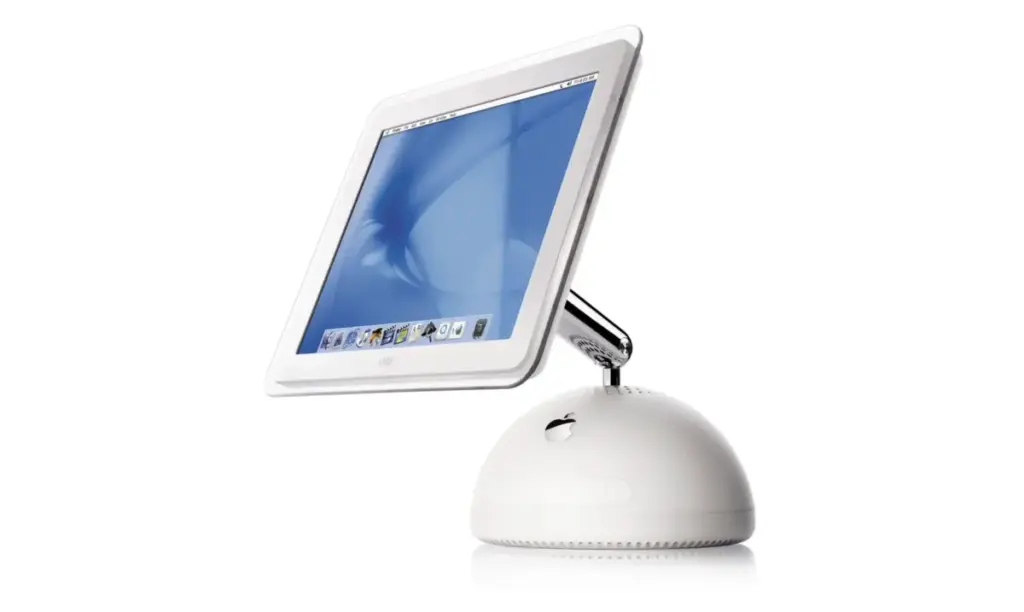
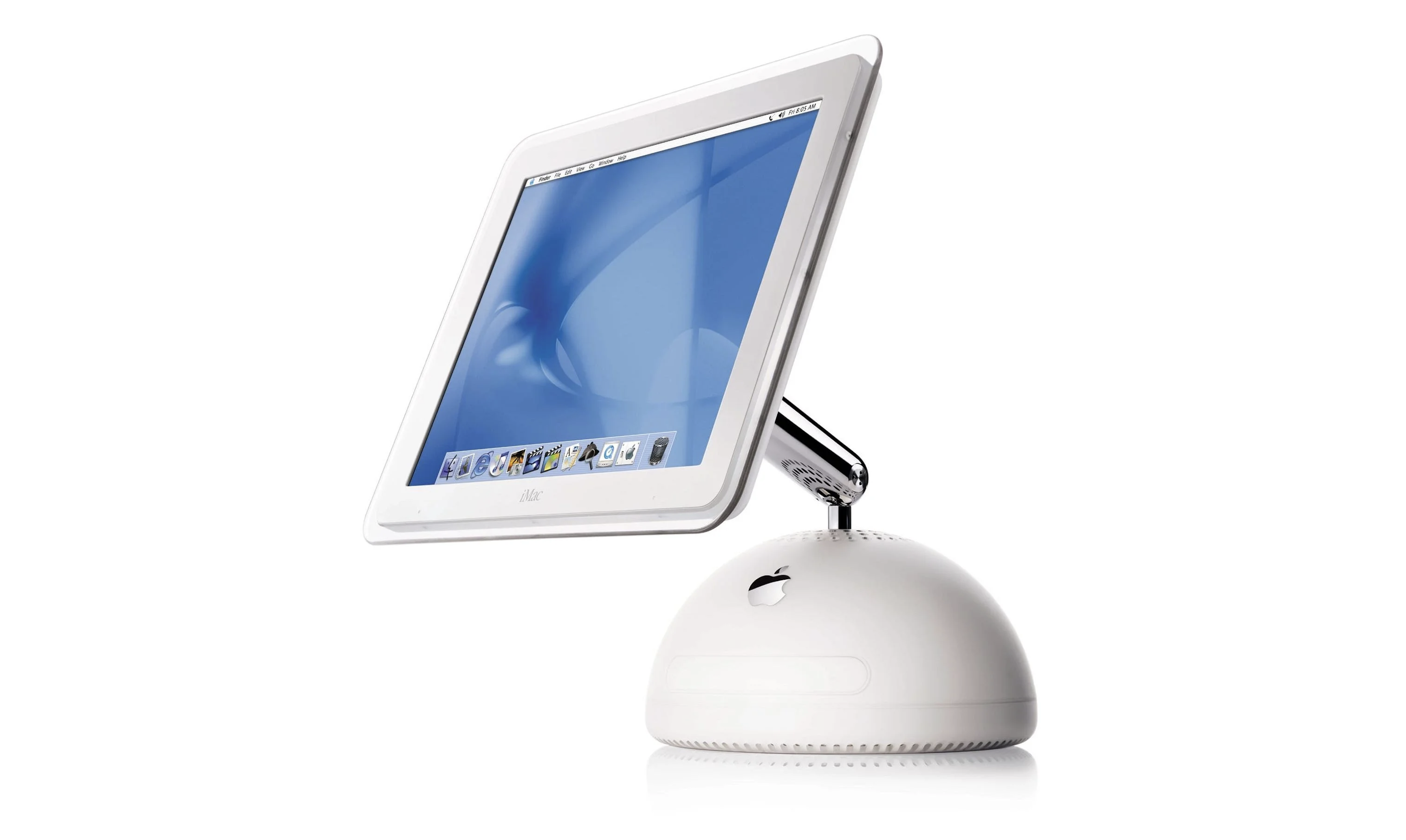
The first is the aforementioned tabletop model with the iMac G4-inspired base. This version is intended for high-traffic areas like kitchen counters, bedside tables, or desks, where portability within a room and adjustable viewing angles are paramount.
The second version is a more specialized variant "designed to be mounted on a wall." This model appears to target the professional home automation market, where dedicated wall panels are often used to control lighting, climate, and security systems. Unlike the tabletop version, the wall-mounted unit features a thin, square-shaped base located beneath the display. This base houses the essential audio hardware—specifically the speakers and microphones—and is designed to sit flat against the wall, creating a flush, integrated appearance.
Both versions are expected to utilize USB-C for power, continuing Apple’s industry-wide transition away from proprietary connectors and the older Lightning standard. This choice ensures that users can easily integrate the devices into existing cable management systems, particularly for the wall-mounted version which may require custom wiring.
Bridging the Gap in the Apple Ecosystem
For years, Apple’s presence in the smart home has been fragmented. While the HomePod and HomePod mini provided high-quality audio and Siri integration, they lacked a visual interface. Conversely, the Apple TV provided a powerful hub for the television, but it was not designed for quick, "glanceable" interactions. While many users have repurposed iPads as wall-mounted controllers, the tablet’s battery-centric design and software limitations often made it a suboptimal solution for a permanent home fixture.
This new smart display is intended to be the "missing link." By providing a dedicated, always-on screen, Apple is creating a focal point for the home. The 6-inch display is expected to run a new operating system—tentatively referred to in previous rumors as "homeOS"—which is likely based on the foundations of tvOS and iPadOS.
The interface is expected to be heavily focused on Apple Intelligence, the company’s suite of AI features. In a home context, this could manifest as a more proactive Siri that understands the context of the room it is in, or a dashboard that automatically surfaces the most relevant controls—such as a morning routine or security camera feeds—based on the time of day and user habits.
 Smart Home & IoT Solutions
Apple Reportedly Developing Privacy-Centric Home Security Service and AI-Powered Monitoring Hardware for 2027
For years, Apple’s presence in the smart home market has been characterized...
 Smart Home & IoT Solutions
Apple Revolutionizes Smart Home Ecosystem with iOS 27: 4K HomeKit Secure Video and AI-Driven Notifications Lead the Charge
As Apple prepares for its highly anticipated "Welcome Home" special event on...
 Smart Home & IoT Solutions
Breaking the Tech Bubble: Why the Apple Home Collection Could Finally Bring the Smart Home to the Masses
For those who have spent the last decade—or in some cases, several...







