
For several years, Apple’s presence in the smart home market has been characterized by a period of relative hardware stagnation. While the company’s competitors in the space have frequently iterated on their smart speakers and streaming devices, Apple’s primary home offerings—the HomePod mini and the Apple TV 4K—have remained largely unchanged for a significant portion of the decade. The current iterations of these devices are between four and six years old in terms of their foundational technology, leading many enthusiasts and industry analysts to wonder when the Cupertino-based giant would finally commit to a meaningful overhaul of its home ecosystem.
The primary bottleneck for new hardware releases has long been attributed to the limitations of Siri. For years, Apple’s voice assistant struggled to keep pace with the generative AI revolution, often hampered by its reliance on cloud processing and a more rigid command structure. However, the landscape has shifted dramatically with the introduction of Apple Intelligence. Now that Siri is being rebuilt on the foundations of large language models and advanced on-device processing, the software justification for next-generation hardware has finally arrived. Reports indicate that Apple is preparing a multi-stage rollout of new products designed to turn the home into a primary pillar of the Apple ecosystem.
Imminent Hardware Refreshes: HomePod mini and Apple TV 4K
The first wave of this overhaul is expected to arrive as early as this fall, focusing on the two core pillars of Apple’s current home strategy: the HomePod mini and the Apple TV 4K. Both products are overdue for internal upgrades that will allow them to interface effectively with the new Apple Intelligence features.
The HomePod mini, which has become a staple of Apple’s smart home strategy due to its accessible $99 to $129 price point, is slated for its first significant internal refresh. Currently powered by the S5 chip—the same processor found in the Apple Watch Series 5—the mini is expected to receive a jump to the S9 chip or perhaps even a more powerful variant. This upgrade is not merely about speed; the S9 chip includes a significantly more capable Neural Engine, which is a prerequisite for the local processing required by Siri’s new AI capabilities.
Beyond the processor, the updated HomePod mini is rumored to feature a new wireless chip, likely the N1 chip that debuted in the iPhone 15 lineup. This would improve Ultra Wideband capabilities, making "Handoff" features—where music is transferred from an iPhone to the speaker—more precise and responsive. While the physical design is expected to remain largely the same, Apple may introduce a refreshed color palette to align with its current aesthetic trends. The goal for this update is clear: to transform the HomePod mini from a simple smart speaker into a much more capable, AI-driven home assistant.
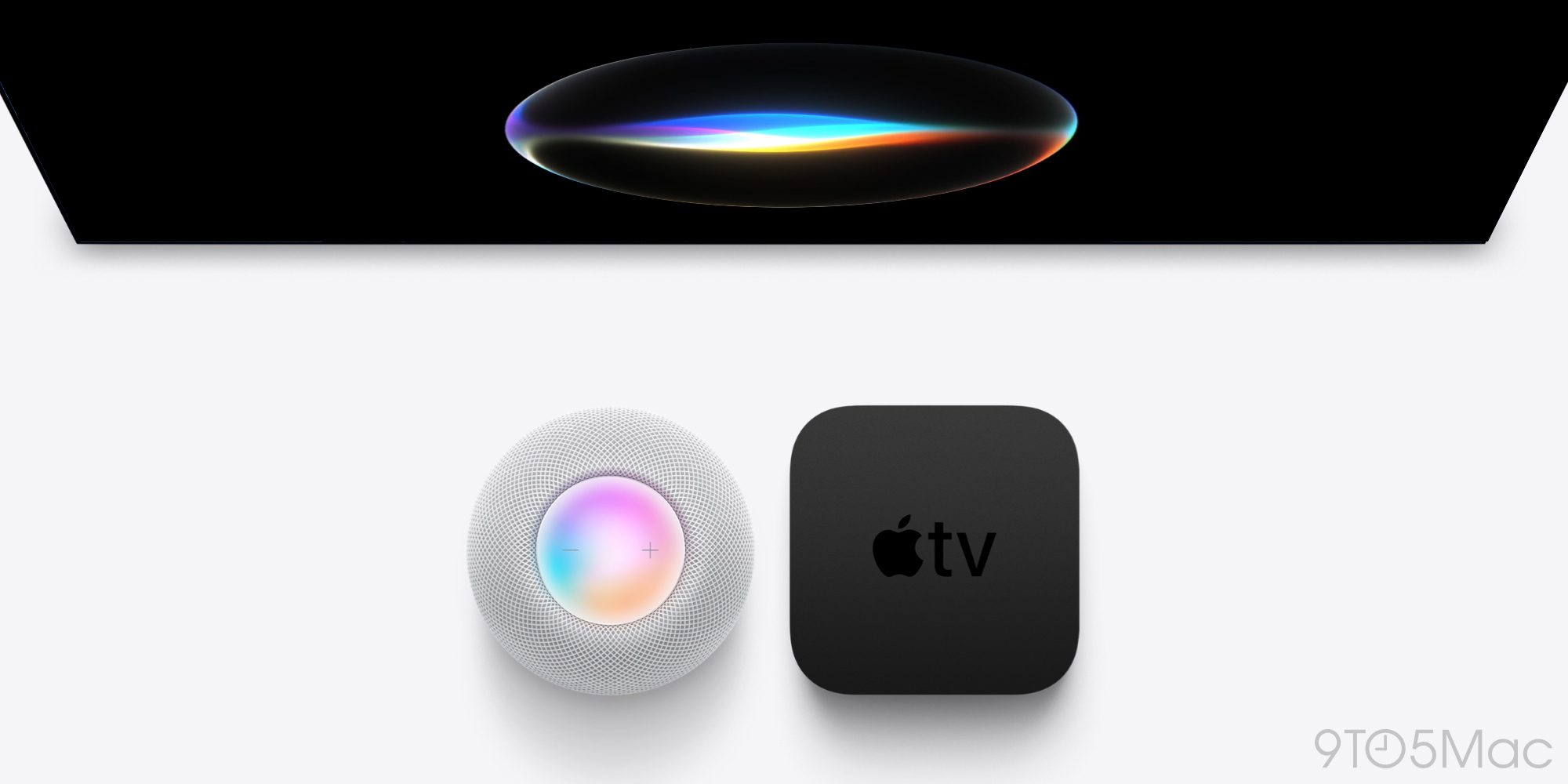
Simultaneously, the Apple TV 4K is expected to undergo a similar internal transformation. Current reporting suggests a jump from the A15 Bionic chip to the A17 Pro. While the A17 Pro will be a year old by the time this hardware debuts, it represents a massive leap in terms of computational power and memory bandwidth compared to the A15. This specific chip is essential for supporting Apple Intelligence, as it was the first mobile processor from Apple capable of running the company’s most advanced AI models locally.
This update to the Apple TV 4K is expected to include more than just a processor bump. Reports indicate that Apple is working on a tweaked design for the Siri Remote, potentially addressing long-standing ergonomic feedback or integrating new Find My features. Despite these upgrades, Apple is expected to keep the pricing stable. Following price adjustments earlier this summer, the HomePod mini remains at $129 and the Apple TV 4K starts at $199 in various international markets, and these figures are expected to serve as the baseline for the new models.
The Rise of the Smart Home Hub: "HomePad" and homeOS
While the refreshes of existing products are significant, the most anticipated development in Apple’s home strategy is the introduction of an entirely new product category: the dedicated smart home hub. Apple has been developing this device for several years, aiming to bridge the gap between a stationary smart speaker and a portable iPad.
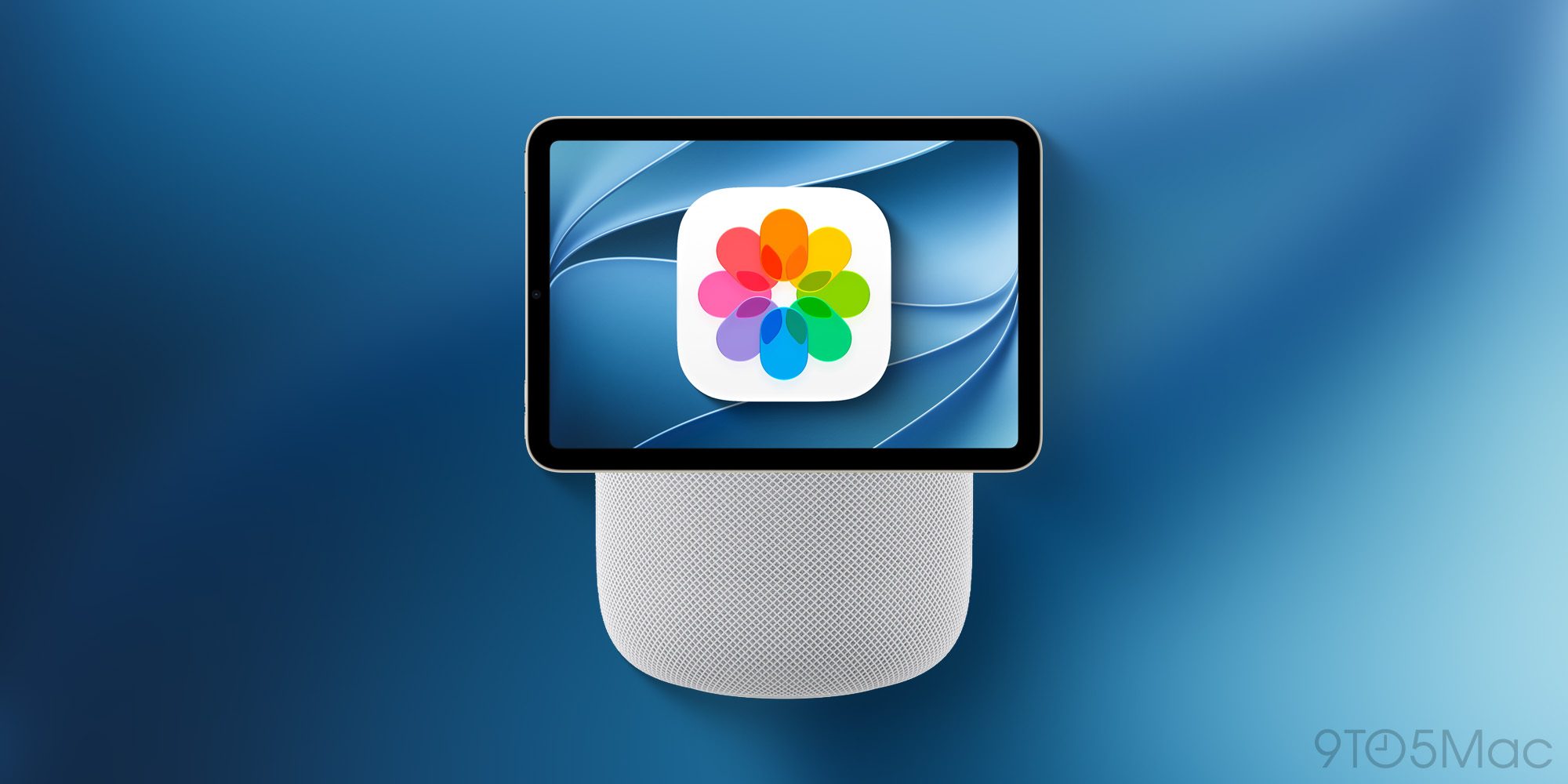
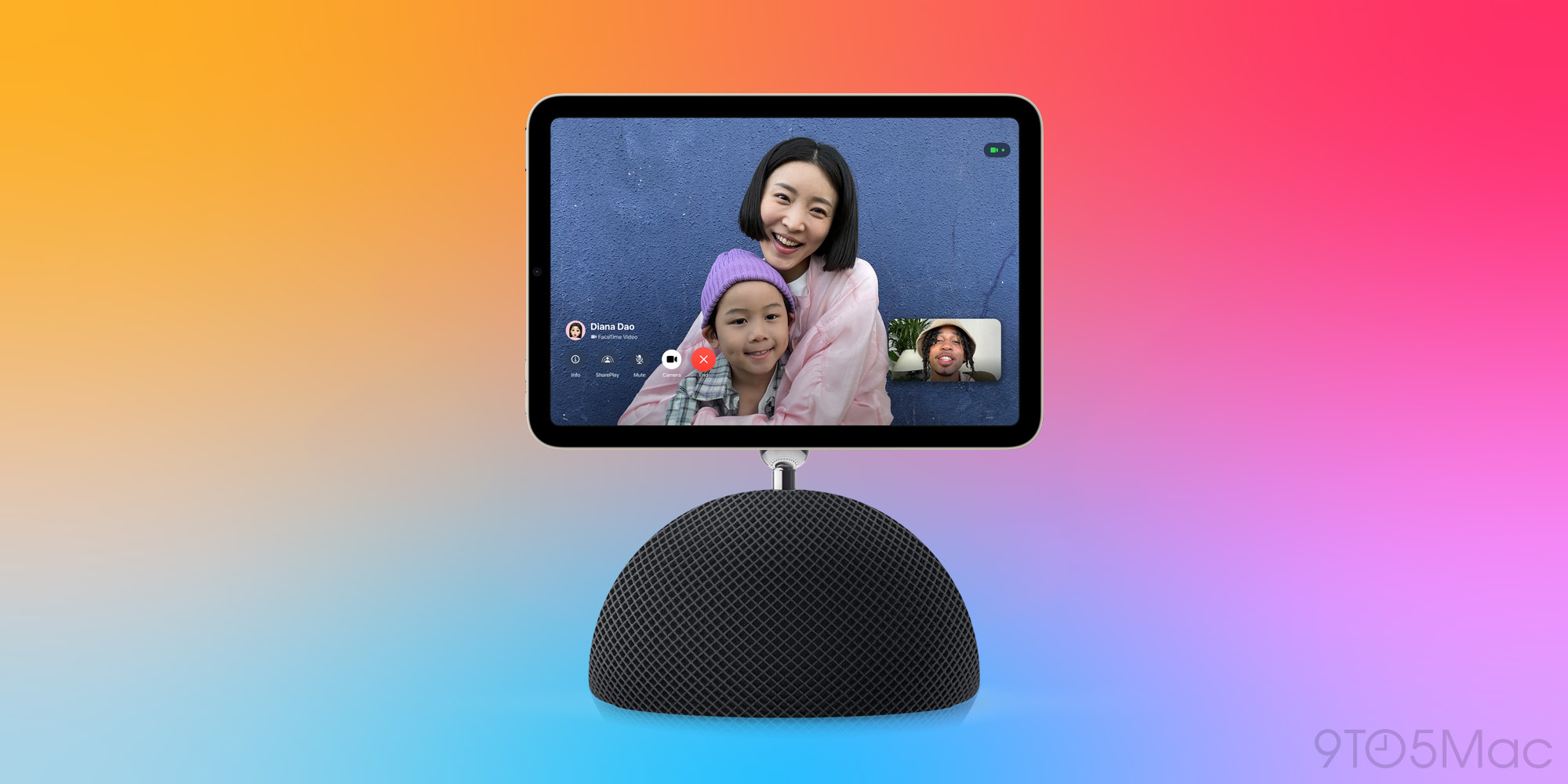
The product, which has been colloquially dubbed the "HomePad" by observers, is expected to come in two distinct variants to serve different household needs. The first version is designed for high-utility areas like kitchens or hallways, featuring a square 7-inch display that can be mounted to walls via a magnetic system. The second version is more reminiscent of a traditional smart display, such as the Google Nest Hub, featuring a screen attached to a robust speaker base for high-quality audio playback.
Central to this new hardware is a brand-new operating system internally referred to as "homeOS." This software is designed to be a hybrid of tvOS and iPadOS, optimized for a stationary screen that is always on and accessible to multiple family members. The hub will likely be powered by the A18 chip, ensuring it has the headroom to handle complex Apple Intelligence tasks, FaceTime calls, and the management of a vast array of HomeKit-enabled devices.
This smart home hub is set to debut between October 2026 and early 2027. It represents Apple’s attempt to reclaim the center of the home, providing a visual interface for Siri that has been missing from the lineup. Users can expect a highly customizable dashboard for smart home controls, a digital photo frame mode, and deep integration with Apple’s suite of communication apps.
In tandem with the hub, Apple is also reportedly working on an update to the full-size HomePod. Since its relaunch in early 2023, the full-size HomePod has occupied a premium niche for audiophiles, but it currently lacks the silicon necessary for the most advanced on-device AI features. Bloomberg’s Mark Gurman has indicated that a newer version is in development, which will likely align its internal specifications with the rest of the AI-capable home lineup.
The Long-Term Vision: Security Cameras and Robotics
Looking further into the future—specifically toward late 2026 and 2027—Apple is planning to expand its reach into the hardware accessory market. For years, Apple has provided the software framework for home security through HomeKit Secure Video, but it has relied on third-party manufacturers like Logitech and Eve to provide the hardware. That is expected to change.
Apple is reportedly preparing to launch its first-party smart home accessories, including a dedicated security camera and a smart doorbell. By entering the hardware side of the security market, Apple can offer a level of vertical integration and privacy assurance that third-party manufacturers often struggle to match. These devices are expected to leverage Apple’s advanced image signal processors to offer superior face recognition and object detection, all while keeping the data encrypted and processed on-device or within the user’s iCloud account.

Perhaps the most ambitious project in Apple’s home pipeline is a high-end version of the smart home display that incorporates robotics. This device, often described as a "tabletop robot," is rumored to feature a larger 9-inch display mounted on a robotic arm. This arm would allow the screen to tilt, swivel, and follow a user around a room during a FaceTime call or while they are following a recipe in the kitchen.
This robotic device is intended to be the premium flagship of the homeOS lineup, offering a futuristic "personality" for Siri. By using actuators to move the display, the device can mimic human-like gestures, such as nodding or turning to face a person when they speak. While this product is still a few years away from a commercial release, it signals Apple’s long-term commitment to making the smart home more interactive and responsive.
The common thread across all these upcoming releases is the integration of Apple Intelligence. By upgrading the silicon across the HomePod mini, Apple TV, and the new hub categories, Apple is ensuring that Siri is no longer a bottleneck but a central, proactive assistant. As these products roll out over the next two years, the Apple home ecosystem appears poised to transition from a collection of secondary accessories into a cohesive, AI-powered platform.
 Smart Home & IoT Solutions
Abode Expands Smart Home Ecosystem with New Specialized Sensors for Garage and Outdoor Security
In an era where home security is increasingly moving toward integrated, user-managed...
 Smart Home & IoT Solutions
Apple Intelligence and 4K Video: A Deep Dive into the iOS 27 Home App Overhaul
As Apple prepares for its highly anticipated "Welcome Home" special event on...
 Smart Home & IoT Solutions
Report: Apple ‘HomeView’ smart home hub will ship in November, come in four colors, A18 chip
The "HomeView" branding appears designed to sit naturally alongside Apple’s existing smart...







