
Apple is reportedly preparing a significant expansion of its smart home ecosystem, moving beyond hardware components to offer a comprehensive home security and monitoring service. According to a new report from Bloomberg’s Mark Gurman, the tech giant is eyeing a 2027 release for a privacy-centric home security camera and an accompanying subscription-based monitoring system. This move signals a strategic shift for Apple as it seeks to challenge established players in the home security market while bolstering its high-growth Services division.
The news comes as Apple prepares for what is described as a major overhaul of its entire Home product lineup. While the company has long offered the HomeKit framework to allow third-party devices to communicate with iOS and macOS, it has often been viewed as a secondary player compared to the integrated ecosystems offered by Amazon’s Ring and Google’s Nest. The upcoming roadmap suggests that Apple is no longer content with providing the software interface alone; it intends to own the hardware, the intelligence, and the service layer that ties them together.
Apple Home Security and Monitoring Service Planned for 2027
The cornerstone of this new strategy is a hardware device described as an in-home security sensor and system. Unlike traditional security cameras that rely on constant video streaming to the cloud, Apple’s proposed device is expected to leverage advanced artificial intelligence to monitor the surrounding environment. Crucially, the report indicates that the system will focus on environmental data rather than "actual video footage."
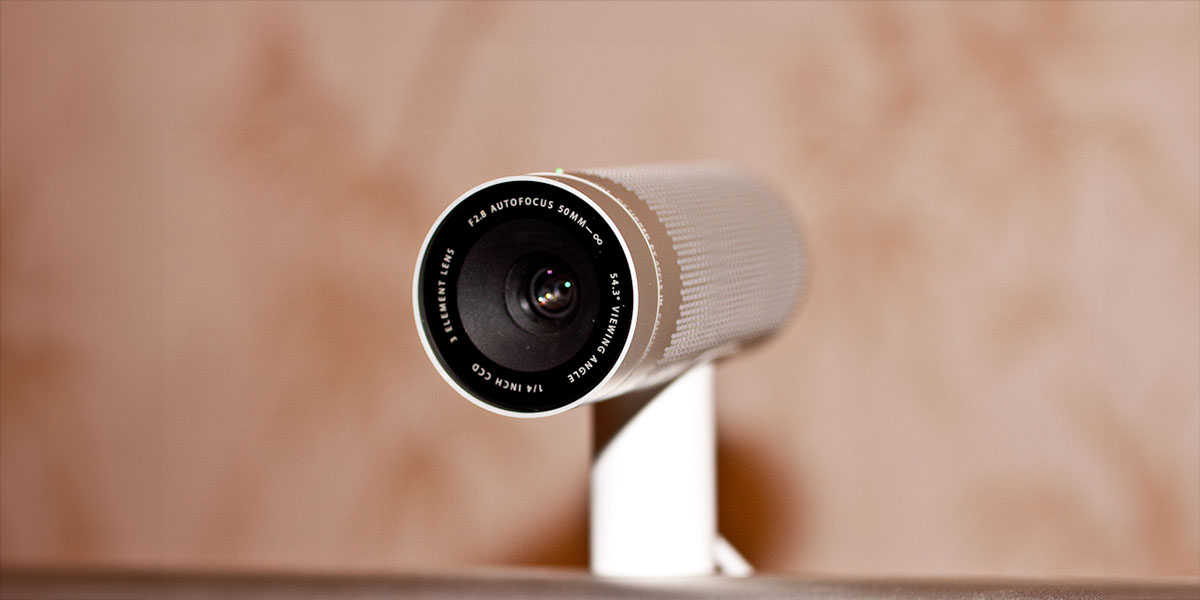
This distinction is central to Apple’s broader brand identity, which prioritizes user privacy. By utilizing AI to interpret motion, sound, and environmental changes on-device—rather than transmitting raw video feeds to a server—Apple aims to provide the peace of mind associated with home security without the invasive nature of traditional surveillance. This approach likely involves the use of sophisticated computer vision and spatial awareness technologies, potentially drawing from the company’s expertise in LiDAR and the neural engines found in its latest silicon.
The most significant revelation in the report, however, is the mention of a dedicated service component. Gurman notes that the new hardware "will tap into a new home security and monitoring service." While Apple currently offers HomeKit Secure Video as part of its iCloud+ subscriptions—allowing users to store encrypted footage from third-party cameras—this new development suggests a more active monitoring role. Whether this includes professional monitoring services, similar to those offered by traditional security firms, remains to be seen, but the intent to create a recurring revenue stream from home safety is clear.
The Broader Home Product Overhaul
The 2027 security service is part of a multi-year plan to revitalize Apple’s presence in the home. Before the security system arrives, Apple is expected to debut several other key pieces of hardware designed to act as the foundation for a smarter household.
Chief among these is a new home hub, colloquially referred to as the "HomePad." This device is rumored to be a tablet-like display that can be mounted on walls or placed on surfaces, acting as a central command center for smart home accessories. By providing a dedicated interface for controlling lights, thermostats, and the upcoming security sensors, Apple is addressing a long-standing criticism of HomeKit: the reliance on a user’s personal iPhone or iPad to manage the home.
In addition to the central hub, Apple is reportedly working on updates to its existing audio and media devices. A new Apple TV 4K and a refreshed HomePod mini are expected to launch in the nearer term. These devices are likely to feature improved processing power to handle the localized AI tasks required by the new "privacy-centric" security philosophy. By ensuring that every room has an Apple-branded "brain," the company can create a mesh network of sensors that provides total home coverage.
Privacy as a Competitive Advantage
The home security market is currently dominated by companies that have faced scrutiny over data handling and law enforcement access to footage. Amazon’s Ring, for example, has frequently been at the center of debates regarding the privacy of neighborhood surveillance. Apple’s decision to develop a system that monitors environments without traditional video footage is a direct response to these concerns.
If Apple can successfully market a security system that detects a break-in, a fire, or a medical emergency using AI-driven environmental sensors—rather than a lens that "sees" everything a family does—it could capture a significant segment of the market that remains wary of smart cameras. This "privacy-first" engineering is expected to be a major selling point, distinguishing Apple’s 2027 offering from the more intrusive options currently available to consumers.
Furthermore, the integration of this service into the Apple ecosystem provides a level of convenience that competitors may struggle to match. Alerts could be seamlessly routed to a user’s Apple Watch, iPhone, or the rumored HomePad, with the Apple TV automatically displaying the status of the home during a security event.

Strengthening the Services Bottom Line
From a business perspective, the move into home monitoring is a logical extension of Apple’s Services strategy. In recent years, Apple has aggressively expanded its recurring revenue streams through Apple Music, Apple TV+, Apple Arcade, and iCloud. A home security and monitoring service would represent a high-value addition to this portfolio.
Home security is a notoriously "sticky" industry; once a consumer installs a system and pays for a monitoring service, they are unlikely to switch providers due to the hardware costs and installation effort involved. By locking users into a security ecosystem, Apple increases the long-term value of each customer.
There is also significant speculation regarding how this new service will be packaged. Industry analysts suggest that Apple could bundle the home security service into its "Apple One" subscription tiers. By adding professional-grade monitoring or advanced AI security features to the Premier tier of Apple One, the company could provide a compelling reason for families to stay within the Apple ecosystem, further insulating them from competing platforms like Android or Alexa.
Looking Ahead to 2027

While 2027 is still several years away, the lead time reflects the complexity of the project. Developing AI that can accurately distinguish between a pet moving through a room and an unauthorized intruder—without relying on high-resolution video—requires extensive testing and refinement. Additionally, building out the infrastructure for a dedicated monitoring service involves navigating various regional regulations and potentially establishing partnerships with emergency response coordinators.
The timeline also suggests that Apple is taking a measured approach, ensuring that the necessary hardware foundation (the new Apple TV, HomePod, and HomePad) is firmly in place before launching the security service. This phased rollout allows Apple to build a base of compatible devices in consumers’ homes, making the eventual transition to a full security subscription feel like a natural upgrade rather than a brand-new, expensive installation.
As the smart home market matures, the focus is shifting from simple automation to proactive assistance and safety. Apple’s reported 2027 roadmap indicates that the company is prepared to lead this shift, betting that consumers will pay a premium for a security system that values their privacy as much as their protection.
The transition from being a platform provider to a direct service provider in the home security space is one of the most ambitious moves Apple has made in the smart home category to date. If successful, it could redefine the standard for what consumers expect from their connected homes, placing Apple at the very center of the domestic environment. For now, the tech world will be watching closely as the first pieces of this puzzle—the updated HomePods and the new home hub—begin to arrive on the market.
 Smart Home & IoT Solutions
Schlage Set to Launch Sense Pro Smart Deadbolt with Ultra Wideband Support for Apple Home Users
The landscape of the smart home security market is poised for a...
 Smart Home & IoT Solutions
Controller for HomeKit app adds AI feature: ‘Just say it’
The core premise of the update is to allow users to use...
 Smart Home & IoT Solutions
Apple Reimagines the Smart Home with iOS 27: 4K Video Support and Intelligence-Driven Notifications Take Center Stage
As Apple prepares for what is rumored to be one of its...







