
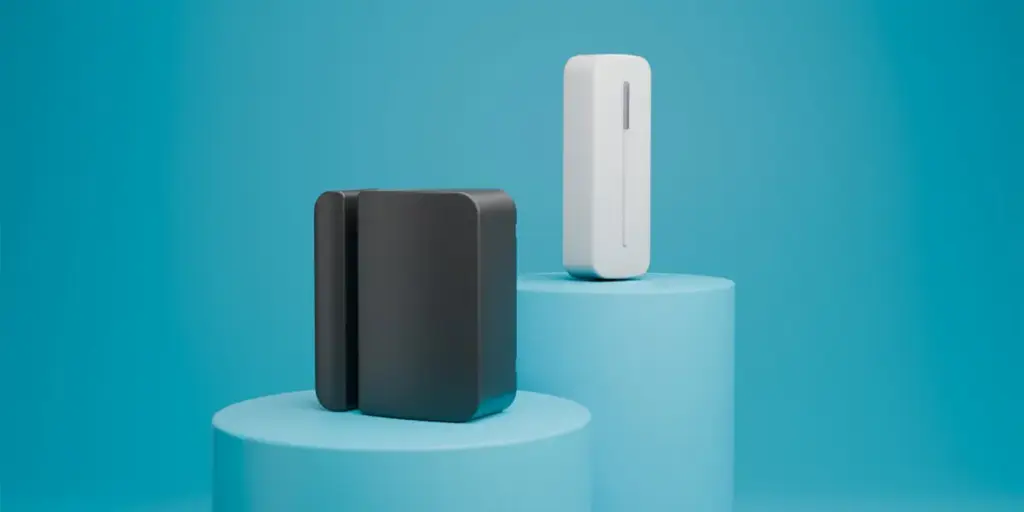
The landscape of DIY smart home security is undergoing a significant shift as homeowners move beyond simply monitoring their front doors and interior living spaces. Recognizing a growing demand for comprehensive perimeter protection, Abode, a prominent player in the professional-grade DIY security market, has officially expanded its ecosystem with the launch of two specialized hardware components. Today, the company unveiled the Abode Garage Tilt Sensor and the Abode Outdoor Contact Sensor, both of which are designed to bring Apple Home compatibility to the more rugged and distant reaches of a residential property.
These new additions are strategically aimed at closing the "security gaps" that often exist in traditional smart home setups—namely detached structures, perimeter gates, and non-standard entry points like attic hatches or basement windows. By integrating these sensors into their existing lineup, Abode is attempting to provide a more holistic view of home security that starts well before an intruder reaches the main envelope of the house.
Abode announces two Apple Home-compatible sensors
The announcement marks a significant update for Abode users who rely on the Apple Home ecosystem. While many security companies offer indoor sensors, the challenges of outdoor environments—ranging from extreme weather to signal interference caused by metal structures—have often left gates and sheds unmonitored. The two new sensors are engineered specifically to overcome these hurdles, offering robust build quality and extended wireless range.
Both the Garage Tilt Sensor and the Outdoor Contact Sensor are built to work seamlessly with the major smart home platforms, including Apple Home, Amazon Alexa, and Google Assistant. This cross-platform compatibility ensures that users can receive notifications and manage their security state regardless of their preferred mobile interface. However, for those deeply embedded in the Abode ecosystem, the real power of these devices lies in their integration with CUE, Abode’s proprietary smart home automation engine.
The CUE engine allows for sophisticated, conditional programming that goes beyond simple alerts. According to Abode, the new sensors can act as triggers for complex "if-this-then-that" scenarios. For example, a homeowner could program their system so that driveway and landscape lights automatically switch on the moment a perimeter entry gate is opened after sunset. Similarly, safety-conscious users can set an automation that triggers a garage door to close itself if the tilt sensor detects it has been left open for more than ten minutes, or perhaps sends a critical alert if the door remains open after a certain hour at night.
The Garage Tilt Sensor is a specialized piece of hardware designed for doors and hatches that do not operate on a traditional horizontal sliding mechanism. Abode has engineered this device to be highly sensitive to orientation changes, which is a departure from the standard magnetic contact sensors used on most doors and windows.
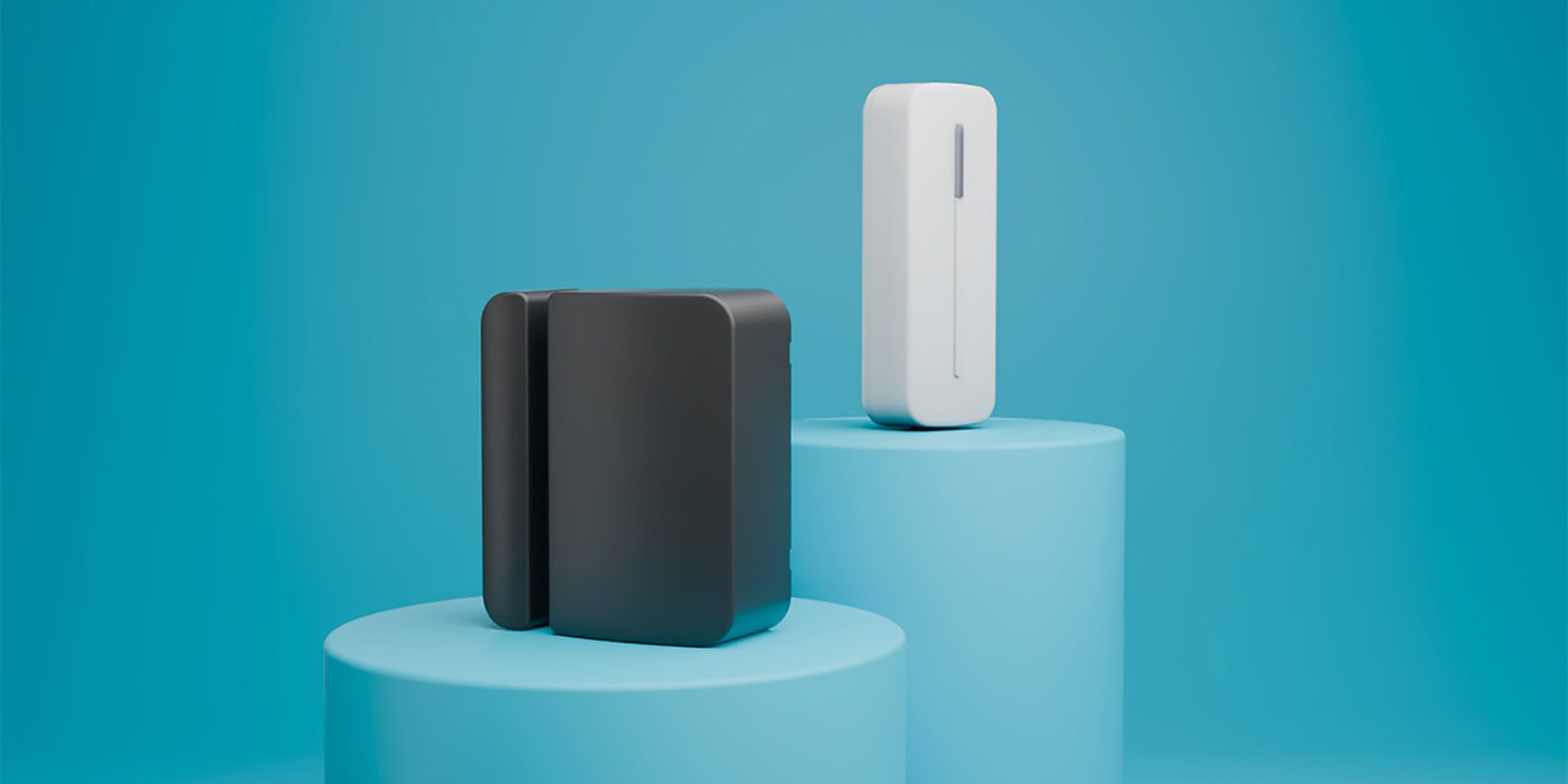
In detailing the technical specifications of the new wireless Garage Tilt Sensor, Abode highlighted its impressive longevity and specialized detection method. The company claims the device offers up to 10 years of battery life, a feature intended to reduce the "maintenance fatigue" that often plagues smart home owners who find themselves constantly replacing batteries in a dozen different devices.
The sensor functions by detecting motion through orientation. Specifically, it senses when a surface changes its angle by more than 45 degrees from its original resting position in either direction. This makes it an ideal solution for up-and-over-style garage doors, tilt-style doors, and even more niche applications like attic hatch doors or basement tilt windows. Because it does not require a secondary magnet to be aligned perfectly—as a standard contact sensor would—it is much more forgiving in environments where doors might vibrate or not sit perfectly flush when closed. Homeowners receive real-time alerts through the Abode app the moment the sensor is triggered, providing an immediate digital breadcrumb of activity at the home’s largest entry point.
Complementing the tilt sensor is the new Abode Outdoor Contact Sensor. While it functions more like a traditional contact sensor using a magnet and a reed switch, it has been significantly "ruggedized" to survive the elements. One of the primary failures of indoor sensors used outdoors is the ingress of moisture or the failure of the wireless signal when mounted on or near large metal objects like fences and sheds.
Abode’s Outdoor Contact Sensor carries an IP66 rating, meaning it is completely dust-tight and can withstand powerful jets of water, making it suitable for installation in areas exposed to heavy rain or snow. Beyond its weatherproofing, the hardware has been optimized for the specific physics of outdoor gates. The company noted:
"The Outdoor Contact Sensor is purpose-built for metal gates, sheds, storage units, mailboxes and detached garages. A stronger magnet and wider activation gap reduce the false alarms that plague indoor sensors used outside. When triggered, the mid-size sensor will immediately notify users through the Abode app, allowing them to respond quickly to unexpected activity."
The "wider activation gap" is a crucial technical detail. Outdoor gates often have more "play" or movement due to wind or loose hinges compared to a tightly sealed indoor front door. By allowing for a larger gap between the sensor and the magnet, Abode prevents the system from triggering a "tamper" or "open" alert every time the wind rattles a gate. Furthermore, the use of a stronger magnet helps overcome the magnetic interference often caused by the heavy steel or aluminum frames found in modern fencing and detached garage doors.
Connectivity is another area where Abode has focused its engineering efforts. Because these sensors are often placed at the far edges of a property—such as on a mailbox at the end of a driveway or a shed at the back of a lot—standard Bluetooth or low-power Wi-Fi often proves insufficient. Abode states that under optimal conditions, the connectivity for both the Garage Tilt Sensor and the Outdoor Contact Sensor can extend up to 500 feet from the Abode hub. To ensure a reliable installation, the company includes setup instructions that guide users through a range test before they permanently mount the hardware, ensuring the signal can penetrate exterior walls and navigate the distance required.

The philosophy behind these new products was summarized by Chris Carney, the CEO and Founder of Abode, who emphasized that home security should not end at the threshold of the house. He noted that many homeowners have a false sense of security because their interior is well-protected, while their perimeter remains wide open to exploitation.
"Break-ins usually don’t start at the front door," Carney remarked during the announcement. "Unlocked side gates or garages present vulnerable access points often left unmonitored by homeowners. We built these sensors because the perimeter of a home deserves the same protection as the inside of it."
This focus on perimeter security reflects a broader trend in the industry where users are looking for "proactive" rather than "reactive" security. By knowing the moment a gate is opened, a homeowner can potentially deter an intruder using two-way audio on a camera or by turning on exterior lights before the intruder even attempts to force entry into the primary residence.
The addition of these sensors also strengthens Abode’s position as one of the most flexible DIY security systems for Apple users. While many competitors require a subscription for even basic functionality, Abode’s integration with Apple Home allows users to see the status of their sensors, receive push notifications, and include them in HomeKit-based automations directly within the Apple Home app, often without needing a monthly Abode plan for those specific features.
From a pricing perspective, Abode has positioned these sensors to be accessible for those looking to expand their systems incrementally. The new Garage Tilt Sensor is launching with a suggested retail price of $34.99. The Outdoor Contact Sensor, reflecting its more rugged construction and specialized hardware for outdoor use, carries a suggested retail price of $49.99.
As smart home technology continues to mature, the focus is clearly shifting toward specialized hardware that can handle the nuances of the real world—vibrating garage doors, swinging metal gates, and the unpredictable nature of outdoor weather. With these two new releases, Abode is betting that homeowners are ready to extend their digital eyes and ears well beyond the living room. Both sensors are available starting today, providing a new set of tools for those looking to fortify their property’s perimeter within the Apple Home ecosystem.
 Smart Home & IoT Solutions
Abode Expands Apple Home Ecosystem with New Ruggedized Garage and Outdoor Security Sensors
The landscape of DIY home security continues to evolve as homeowners move...
 Smart Home & IoT Solutions
Apple Expands Smart Home Ecosystem with New Aqara Accessories and Third-Party Hardware Ahead of Major Product Launches
In a significant update to its retail and digital storefronts this week,...
 Smart Home & IoT Solutions
Apple Expands Smart Home Ecosystem with New Third-Party Accessories and Aqara Matter Integration
In a strategic update to its retail and online storefronts this week,...







