
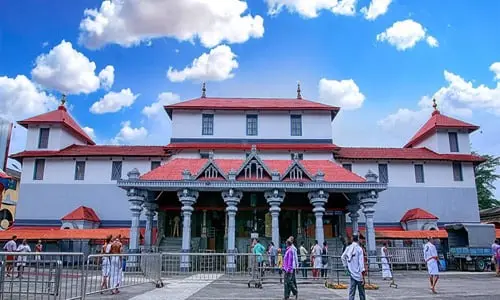
In a landmark decision for the protection of digital assets belonging to historic religious institutions, Shri Dharmasthala, one of South India’s most revered and ancient landmarks, has successfully recovered its primary domain name following a sophisticated cyberattack. The recovery of the domain, shridharmasthala.org, marks the end of a high-stakes legal battle conducted through international arbitration, highlighting the increasing vulnerabilities faced by cultural and educational organizations in an era of globalized cybercrime.
Shri Dharmasthala, located in the Belthangady taluk of Karnataka, holds a unique and prestigious position in the Indian cultural landscape. With a documented history spanning more than 800 years, the temple is not only a site of deep religious significance but also a cornerstone of social welfare and education in the region. The Shri Dharmasthala Manjunatheshwara Educational Society (SDMES), which manages the institution’s vast network of schools, colleges, and social initiatives, had the foresight to establish a digital presence early in the internet era, registering the domain name shridharmasthala.org in 2001. For over two decades, this digital portal served as the primary interface between the institution and its global community of devotees and students.
The importance of this digital infrastructure cannot be overstated, given the scale of the temple’s operations. Shri Dharmasthala attracts approximately 5.5 million devotees annually, many of whom rely on the official website for information regarding pilgrimage logistics, religious services, and the various philanthropic activities spearheaded by the Heggade family, the traditional trustees of the temple. The sudden loss of this domain earlier this year posed a significant threat to the institution’s reputation and its ability to communicate securely with its millions of followers.
The crisis began to unfold in early 2026, according to the records submitted during the dispute resolution process. The Shri Dharmasthala Manjunatheshwara Educational Society reported that the domain name was fraudulently transferred away from their control on June 10, 2026. This transfer was executed without the knowledge, authorization, or consent of the society’s administrators. The subsequent investigation into the breach revealed a calculated and coordinated effort by unknown actors to infiltrate the society’s digital accounts and seize control of their most valuable online asset.
Technical evidence provided by the domain registrar painted a picture of a multi-stage compromise. The forensic trail indicated that unauthorized access began months before the actual transfer. Registrar records showed that starting from March 11, 2026, account logins were registered from IP addresses located in Sweden and Switzerland. These initial incursions were likely reconnaissance efforts or attempts to modify account settings in preparation for the eventual theft. Following the illicit transfer in June, the IP trail shifted to Japan, suggesting a sophisticated attempt to mask the perpetrators’ true location by routing traffic through multiple international jurisdictions.
 Web Hosting & Domain Management
The Expired Domain Gold Mine: How iGaming Operators are Resurrecting Old Brands for SEO Profit
The landscape of the domain name secondary market has undergone a radical...
 Web Hosting & Domain Management
Atom Enhances Domain Marketplace Accessibility with New Dedicated Seller App for iPhone
The domain name industry has long been characterized by its fast-paced nature,...
 Web Hosting & Domain Management
Domain Owners Face Imminent Price Hikes as Verisign Prepares to Increase .Com Wholesale Rates
The window of opportunity for domain name owners to secure current pricing...







