
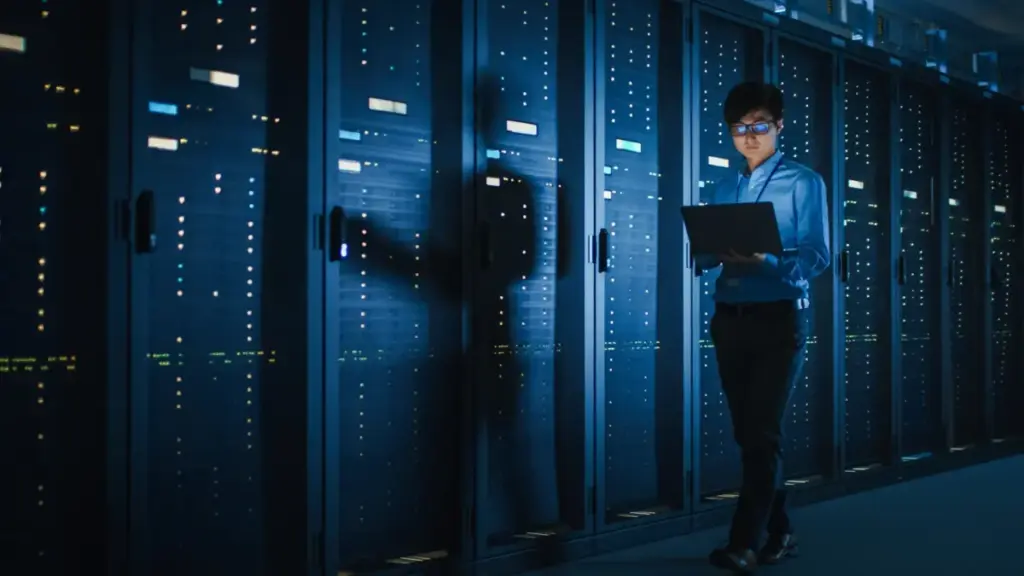
The global energy landscape is facing a transformative shift as the rapid proliferation of artificial intelligence and digital services pushes power grids to their limits. According to a comprehensive new report from the International Energy Agency (IEA), the electricity consumption of the world’s data centers is projected to nearly double over the next four years. This unprecedented growth is raising urgent questions about the sustainability of the digital revolution, as the increased demand is expected to be met largely by fossil fuels, including natural gas and coal, potentially derailing international climate goals.
The findings, initially highlighted in a report by The Guardian, underscore a widening gap between the technological ambitions of the world’s largest tech companies and the physical realities of global energy infrastructure. As data centers expand to accommodate the massive computational requirements of generative artificial intelligence and large-scale cloud computing, the environmental footprint of the internet is expanding at a rate that threatens to outpace the adoption of renewable energy.
The Massive Expansion of Data Center Capacity
At present, the world’s existing network of data centers possesses a total power capacity of approximately 120 gigawatts. This infrastructure forms the backbone of the modern economy, supporting everything from global financial transactions and social media platforms to healthcare systems and government services. However, the IEA warns that this capacity is no longer sufficient to meet the looming requirements of the next decade.
The agency predicts that an additional 120 gigawatts of capacity could be added to the global total by 2030. Essentially, the world is on track to build as much data center capacity in the next six years as it has in the entire history of the internet to date. This doubling of infrastructure is not merely a linear progression of existing trends but represents a fundamental shift in how data is processed and stored.
The primary catalyst for this surge is the explosive growth of artificial intelligence. According to the IEA’s analysis, the expansion of AI is expected to account for approximately 75% of the total increase in data center power demand. Unlike traditional search queries or data storage, training and running advanced AI models requires significantly more energy. The specialized hardware used for AI, such as high-performance Graphics Processing Units (GPUs), consumes vast amounts of electricity compared to standard server components. As companies race to integrate AI into every facet of their operations, the demand for high-density data centers equipped to handle these intensive workloads is skyrocketing.
The Growing Carbon Footprint of the Digital Age
One of the most alarming aspects of the IEA report is the projected impact on global carbon emissions. Despite the tech industry’s public commitment to environmental sustainability, the report warns that carbon dioxide emissions from data centers risk increasing by as much as 70% by the end of the decade.
This projection stands in stark contrast to the corporate messaging of many tech giants. Data center operators are currently among the world’s largest corporate buyers of renewable energy, investing billions of dollars in wind and solar projects to offset their power usage. However, the sheer scale of the new demand is beginning to exceed the available supply of green energy.
The challenge lies in the nature of data center operations. These facilities require a constant, "always-on" supply of electricity to ensure that digital services remain available 24/7. While solar and wind power are critical components of the transition to a greener grid, their intermittent nature means they cannot always provide the steady baseload power required by massive server farms. When renewable generation falls short, or when the grid is unable to keep up with the rapid pace of data center construction, utilities often turn to traditional fossil fuel sources to fill the gap.
 Small Business IT & Cloud Computing
Microsoft Unveils Copilot Workspaces as Strategy Shifts Toward Collaborative, Agent-Led Productivity
At its annual Ignite conference this week, Microsoft signaled a significant evolution...
 Small Business IT & Cloud Computing
Precision Over Volume: Specialized AI Expertise Commands Premium Salaries in a Cautious IT Job Market
The information technology sector is currently navigating a complex paradox. While job...
 Small Business IT & Cloud Computing
Microsoft Bolsters Teams Security with AI-Powered Contextual Phishing Detection to Combat Social Engineering
As the landscape of cyber threats continues to evolve from traditional email-based...







