
The landscape of the foldable smartphone market has undergone a dramatic transformation over the past several years, shifting from experimental curiosities to mainstream flagship contenders. While Samsung has long held the mantle of leadership in this category, a new wave of competition from Chinese manufacturers is beginning to reshape expectations regarding form factor, screen dimensions, and portability. After a brief period of relative silence in the "wide fold" rumor mill, the spotlight has swung back toward Vivo, a company that appears increasingly committed to carving out a unique niche in the burgeoning foldable segment.
Recent reports originating from the Chinese social media platform Weibo have reignited interest in Vivo’s long-term hardware roadmap. According to the well-known tech tipster Digital Chat Station (DCS), Vivo is actively continuing the development of a "wide fold" device—a term used to describe a foldable phone that prioritizes a wider aspect ratio, often resulting in a more traditional smartphone feel when closed and a more tablet-like experience when opened. However, unlike its competitors who are pushing the boundaries of screen real estate, Vivo is allegedly taking a different path by focusing on a more compact footprint.
A Shift Toward the Compact Foldable
The most striking detail of the leak provided by Digital Chat Station is the proposed screen size. While the current industry trend for book-style foldables leans toward internal displays that exceed 7.5 inches, Vivo’s wide foldable take is rumored to land on the significantly smaller side. Allegedly, the device could debut with a primary screen measuring "under 6.5 inches."
This shift in strategy represents a notable departure from the current market trajectory. For years, the primary appeal of a foldable phone has been the ability to carry a small tablet in one’s pocket. By opting for a sub-6.5-inch display, Vivo seems to be targeting a demographic that values one-handed usability and pocketability over sheer screen size. In the current market, a 6.5-inch screen is roughly the size of a standard "Pro" or "Plus" non-folding smartphone. If these rumors hold true, Vivo’s foldable would essentially offer a standard smartphone experience that can fold into an even more compact form, or perhaps more likely, a device that opens up to a wider, more usable 6.5-inch canvas rather than a towering vertical one.
The timeline for this ambitious project is also drawing significant attention. DCS claims that Vivo is aiming for a 2027 launch window. While three years might seem like an eternity in the fast-paced world of mobile technology, it suggests that Vivo is playing a long game, allowing current technologies—such as hinge durability, battery density, and ultra-thin glass (UTG)—to mature further before bringing this specific vision to market.
Measuring Up Against Industry Giants
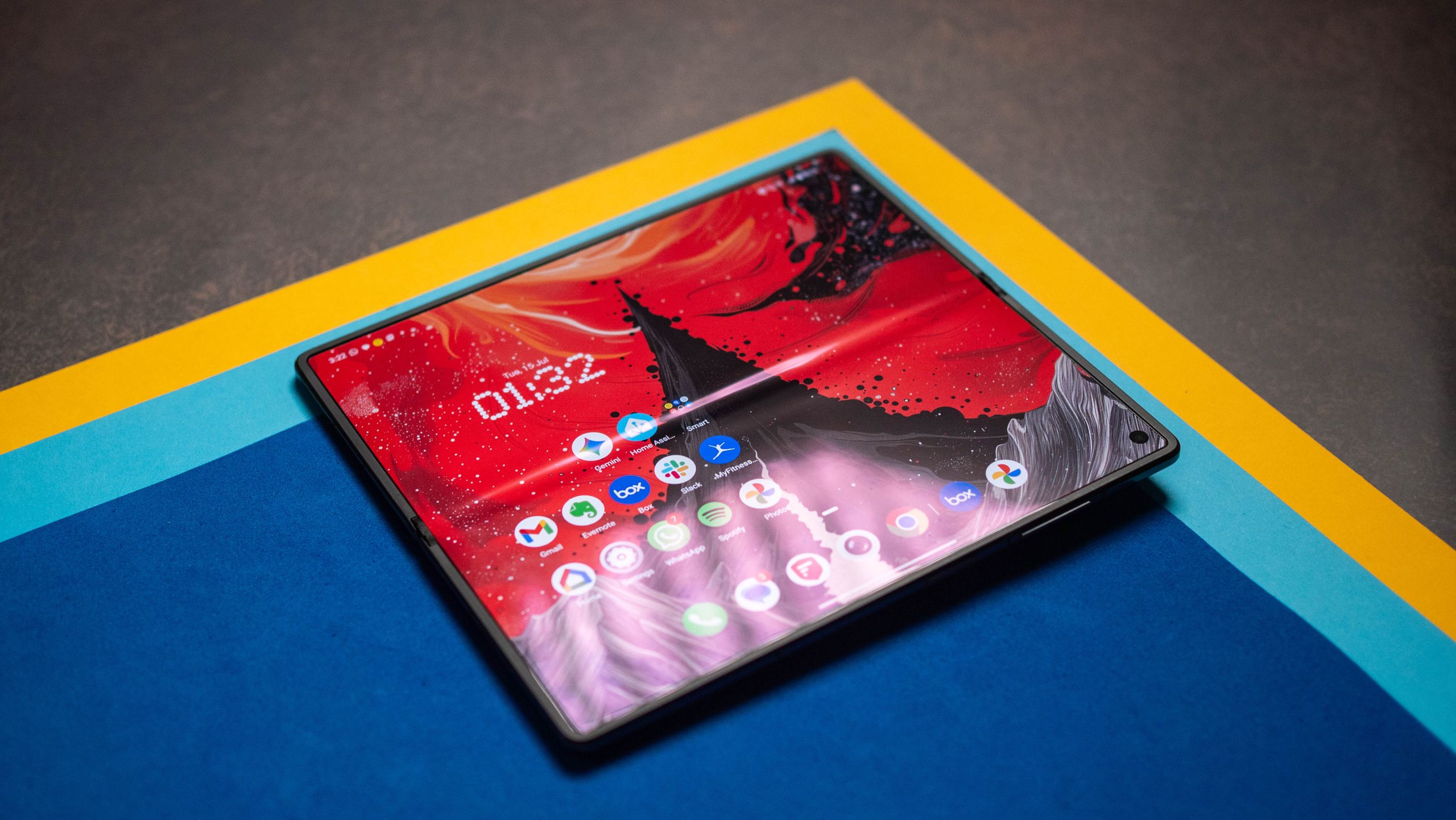
To understand the weight of Vivo’s rumored decision, one must look at the competitive landscape as it stands today and where it is expected to go. Samsung’s Galaxy Z Fold 8, which has continued to gain popularity and refine the foldable formula, features a 7.6-inch inner screen. This size has become something of a "gold standard" for the industry, providing enough space for complex multitasking, immersive gaming, and enhanced productivity. Similarly, the rumored "iPhone Duo"—Apple’s long-anticipated entry into the foldable space—is also expected to feature a 7.6-inch screen, further cementing that dimension as the target for premium devices.
 Mobile Device Management (MDM) & Mobile OS
Instagram Pivots Toward Long-Form Widescreen Content with New ‘Features’ Initiative
In a move that signals a fundamental shift in its product philosophy,...
 Mobile Device Management (MDM) & Mobile OS
Nothing Expands U.S. Retail Footprint with Audio Product Launch at Target Stores
In a strategic move to solidify its presence in the competitive North...
 Mobile Device Management (MDM) & Mobile OS
Samsung Announces Shutdown of Samsung Sound App as Part of Broader Ecosystem Consolidation
Samsung is continuing its aggressive efforts to streamline its mobile and smart...