
The landscape of the domain name secondary market has undergone a radical transformation over the last decade. Where once the most valuable expired domains were snatched up by entrepreneurs looking to build legitimate businesses or by "domainers" hoping to flip them for a profit, the market is now increasingly dominated by a different breed of buyer: the search engine optimization (SEO) specialist working for the iGaming industry.
The July sales report from SnapNames and NameJet highlights a persistent and growing trend in the industry. Expiring domains with established traffic and high-authority backlink profiles are no longer just digital real estate; they have become the primary fuel for aggressive online casino marketing. This phenomenon, often referred to as an "expired domain bonanza," sees decades-old websites representing everything from craft breweries to cultural movements being repurposed overnight into gateways for Turkish, French, and international gambling platforms.
Historically, the use of expired domains was a more varied affair. A decade ago, a closed-down restaurant’s domain might be repurposed into a niche blog reviewing kitchen appliances, peppered with Amazon affiliate links. Organizations and charities that let their .org domains lapse often saw them turned into storefronts for CBD products or health supplements. However, the evolution of search engine algorithms—primarily Google’s—largely decimated the effectiveness of these small-scale affiliate sites. Google began prioritizing "authoritative" sources, such as major newspapers and established review platforms like G2 or Good Housekeeping, effectively pushing smaller, aged domains out of the search engine results pages (SERPs).

This shift did not kill the appetite for expired domains; it simply moved the goalposts. As the "Parasite SEO" strategy—where marketers leverage the authority of existing giant sites to host their own content—became more common, the iGaming industry doubled down on a more direct approach: buying high-authority domains and extracting every drop of value from them before the search engines catch on.
The Case of GoodwoodBrewing.com: A 500,000-Visitor Surge
Perhaps the most striking example from the July sales list is GoodwoodBrewing.com. Originally the digital home of a craft brewery, the domain sold at auction for $6,086. For years, the site had maintained a modest but respectable presence, generating between 2,000 and 4,000 organic visits per month, primarily from users interested in artisanal beer.
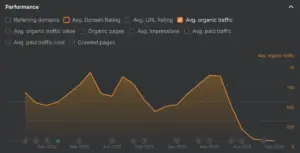
Following its acquisition in July, the domain’s trajectory took a sharp, almost vertical turn. By August, the site was no longer about brewing; it had been transformed into a Turkish gambling portal. Within a single month, the organic traffic skyrocketed to a staggering 500,000 visitors. The new owners achieved this by targeting high-volume Turkish keywords such as "güvenilir bahis siteleri" (reliable betting sites) and "bonus veren siteler" (sites giving bonuses), quickly securing the top positions in the SERPs.

This "churn and burn" strategy often draws criticism from enterprise-level SEO professionals who argue that such tactics are short-sighted and eventually lead to total deindexing by Google. Indeed, the traffic for GoodwoodBrewing.com crashed as quickly as it rose, lasting only about a month before Google’s algorithms suppressed the site. However, from the perspective of an iGaming affiliate, the math often justifies the risk. The revenue generated from 500,000 targeted visitors in a high-stakes niche like gambling can dwarf the initial $6,000 investment, making even a thirty-day window of success immensely profitable.
 Web Hosting & Domain Management
GoDaddy domains now automatically verified with Afternic
For years, the process of listing a domain for sale on a...
 Web Hosting & Domain Management
The Hidden Economy of Expired Domains: Analyzing the June SEO Auction High-Rollers
In the specialized world of domain name investing, a high sale price...
 Web Hosting & Domain Management
Identity Digital Secures U.S. Government Contract to Manage .us Domain Registry
In a significant shift for the landscape of the American internet infrastructure,...







