
The landscape of the domain name secondary market has undergone a radical transformation over the last decade. Where once the most valuable expired domains were snatched up by entrepreneurs looking to build legitimate businesses or by "domainers" hoping to flip them for a profit, the market is now increasingly dominated by a different breed of buyer: the search engine optimization (SEO) specialist working for the iGaming industry.
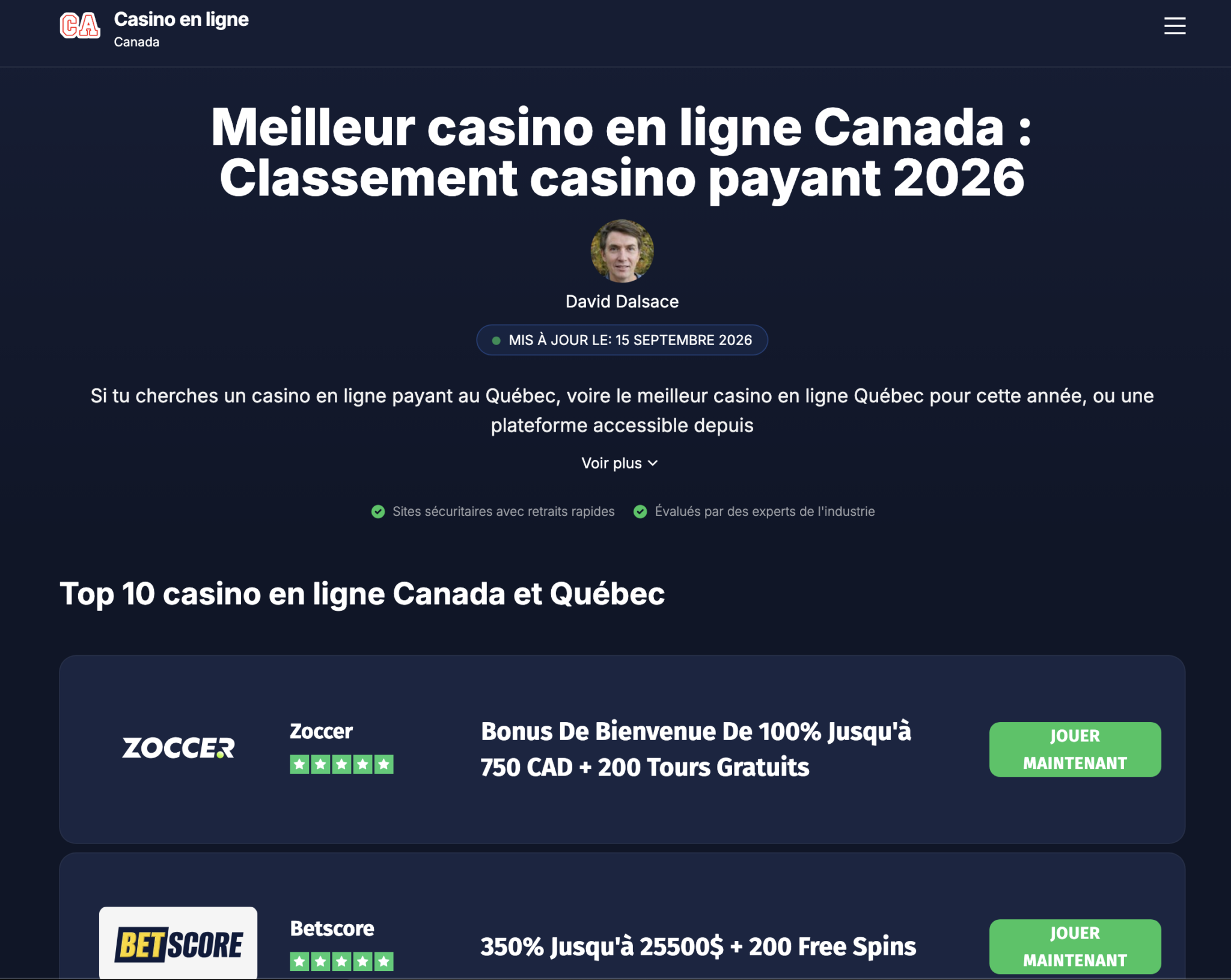
The July sales report from SnapNames and NameJet highlights a persistent and growing trend in the industry. Expiring domains with established traffic and high-authority backlink profiles are no longer just digital real estate; they have become the primary fuel for aggressive online casino marketing. This phenomenon, often referred to as an "expired domain bonanza," sees decades-old websites representing everything from craft breweries to cultural movements being repurposed overnight into gateways for Turkish, French, and international gambling platforms.
Historically, the use of expired domains was a more varied affair. A decade ago, a closed-down restaurant’s domain might be repurposed into a niche blog reviewing kitchen appliances, peppered with Amazon affiliate links. Organizations and charities that let their .org domains lapse often saw them turned into storefronts for CBD products or health supplements. However, the evolution of search engine algorithms—primarily Google’s—largely decimated the effectiveness of these small-scale affiliate sites. Google began prioritizing "authoritative" sources, such as major newspapers and established review platforms like G2 or Good Housekeeping, effectively pushing smaller, aged domains out of the search engine results pages (SERPs).

This shift did not kill the appetite for expired domains; it simply moved the goalposts. As the "Parasite SEO" strategy—where marketers leverage the authority of existing giant sites to host their own content—became more common, the iGaming industry doubled down on a more direct approach: buying high-authority domains and extracting every drop of value from them before the search engines catch on.
The Case of GoodwoodBrewing.com: A 500,000-Visitor Surge
Perhaps the most striking example from the July sales list is GoodwoodBrewing.com. Originally the digital home of a craft brewery, the domain sold at auction for $6,086. For years, the site had maintained a modest but respectable presence, generating between 2,000 and 4,000 organic visits per month, primarily from users interested in artisanal beer.
Following its acquisition in July, the domain’s trajectory took a sharp, almost vertical turn. By August, the site was no longer about brewing; it had been transformed into a Turkish gambling portal. Within a single month, the organic traffic skyrocketed to a staggering 500,000 visitors. The new owners achieved this by targeting high-volume Turkish keywords such as "güvenilir bahis siteleri" (reliable betting sites) and "bonus veren siteler" (sites giving bonuses), quickly securing the top positions in the SERPs.

This "churn and burn" strategy often draws criticism from enterprise-level SEO professionals who argue that such tactics are short-sighted and eventually lead to total deindexing by Google. Indeed, the traffic for GoodwoodBrewing.com crashed as quickly as it rose, lasting only about a month before Google’s algorithms suppressed the site. However, from the perspective of an iGaming affiliate, the math often justifies the risk. The revenue generated from 500,000 targeted visitors in a high-stakes niche like gambling can dwarf the initial $6,000 investment, making even a thirty-day window of success immensely profitable.
The technical execution of this play involved the use of subdomains. Rather than building everything on the root domain, the owners spun up numerous sub-sites. This allowed them to silo different marketing campaigns and provided a level of risk separation; if one subdomain was flagged or suppressed, others could continue to function, all while feeding off the domain’s historical authority.
Cultural Icons and the Redirect Strategy
The July sales also featured AfroPunk.com, a name that carries significant cultural weight as the digital home of a renowned movement and festival. With a backlink profile featuring mentions from the New York Times, The Guardian, and Pitchfork, the domain is an SEO powerhouse. It sold for $9,250 at NameJet, a price that many industry observers considered a bargain given its high Domain Rating (DR) of 72.

However, the buyer’s intent was not to preserve the AfroPunk legacy. Instead, the domain was utilized as a "pass-through" asset. AfroPunk.com now redirects to Infinite-Energy.com, a domain that sold for $6,501 in the same period. Infinite-Energy.com has since been transformed into a French casino site. By redirecting a high-authority domain like AfroPunk to a newer gambling site, the owners are attempting to "pipe" the historical SEO juice of the former into the latter. It is a common tactic in the iGaming space: using one expensive, high-authority acquisition to bolster the ranking potential of a secondary site.
Alternative Paths: Rebuilding and Longevity
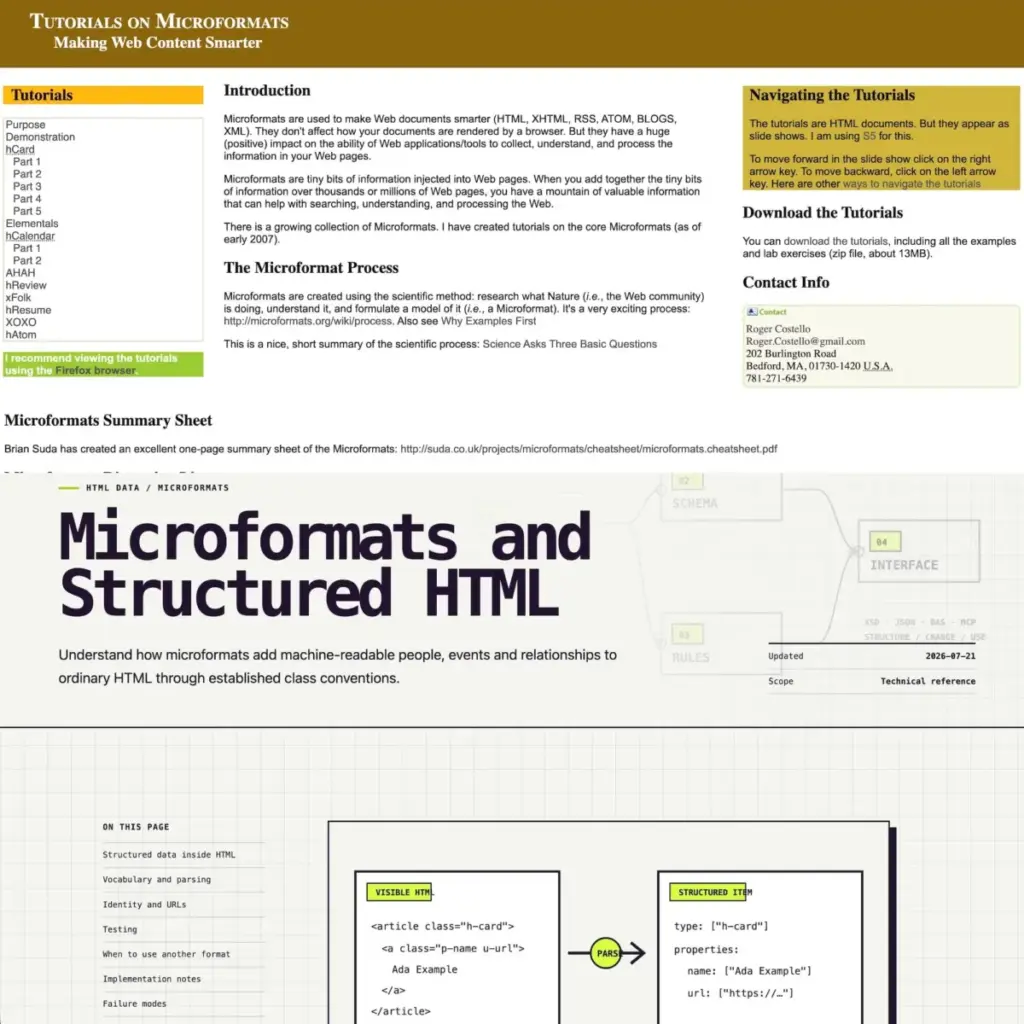
Not every expired domain ends up in the world of online slots and sports betting. The sale of xFront.com for $6,600 provides a different case study. Formerly an XML tutorial site owned by Roger Costello, the domain had a "vintage" web design that appeared largely unchanged since the early 2000s.
The new owner of xFront.com has taken a more traditional, "white-hat" approach. The site has been rebuilt with a modern aesthetic and the content is being updated and expanded. Rather than seeking an immediate traffic explosion through aggressive gambling keywords, the owner appears to be focusing on long-term sustainability. The site is slowly beginning to rank for relevant technical terms. This strategy suggests a play toward building an authoritative niche site, perhaps leveraging AI-driven content to scale, while maintaining the domain’s historical integrity to ensure it stays in Google’s good graces.
Similarly, ConnorDavidson-ResilienceScale.com sold for $5,850. The domain is based on a specific psychological assessment tool (the CD-RISC) and possesses high-quality backlinks from educational and medical institutions. While the site currently remains dormant, its high purchase price indicates that an SEO-driven play is likely in the works. Whether it will become a legitimate resource for psychological metrics or a high-authority "bridge" for another industry remains to be seen.
Market Disparities: NameJet vs. DropCatch
The July data also sheds light on the differing dynamics between domain auction platforms. Moovly.com, a domain with a high DR of 71 that previously hosted a video creation product, sold for $5,805 at NameJet. Interestingly, the same domain appeared at auction on DropCatch just a few months later, where it reached a price of $12,166—more than double its NameJet price.
This disparity highlights a long-held belief among some industry veterans: NameJet and SnapNames often fly under the radar of the most aggressive SEO buyers, who tend to congregate on DropCatch and GoDaddy. The fact that a domain could command twice the price on a different platform, even after being offline and losing value for months, suggests that the "SEO heat" is not evenly distributed across the market. However, the Moovly.com sale on DropCatch ended in a "non-payment" status, leading to the suspension of the buyer’s account—a reminder of the volatility and occasional desperation found in high-stakes domain auctions.

The Broader Landscape of July Sales
The full list of SEO-driven sales from July 2026 paints a picture of a market obsessed with Domain Rating and backlink profiles. High-authority domains like Mitre-Engenuity.org (DR 70) and PankMagazine.com (DR 67) commanded prices between $3,600 and $6,750, despite having little to no current ranking keywords. These purchases are almost exclusively "authority plays," where the buyer is betting on the domain’s ability to rank new content quickly based on its historical reputation.
Other notable sales included DCI-Palestine.org, which fetched $14,001, and Boltz.com, which reached a staggering $105,000. While Boltz.com may have been an acquisition for its brandable, four-letter qualities, the majority of the mid-four-figure sales—such as SundayGazetteMail.com ($5,750) and GaryNabhan.com ($6,750)—show a clear pattern of buyers targeting domains that formerly belonged to newspapers, reputable organizations, or well-known individuals.
This trend shows no signs of slowing. As long as the potential returns from a few months of high-volume gambling traffic exceed the cost of acquisition, the iGaming industry will continue to be the primary exit strategy for high-authority expired domains. For the original owners and those who value the historical internet, it is a bittersweet development: the names remain alive, but their purposes are unrecognizable from their original intent.
 Web Hosting & Domain Management
The Long Road to .web: Chris Ambler Reflects on Decades of Domain History and a New Path Forward with .epic
The landscape of the internet is on the verge of a significant...
 Web Hosting & Domain Management
Rick Schwartz and the Beanstalk Challenge: A New Era of Domain Development and the Quest for the Next Great Digital Enterprise
In the fast-paced and often opaque world of digital real estate, few...
 Web Hosting & Domain Management
Identity Digital Secures U.S. Government Contract to Manage .us Domain Registry
In a significant shift for the landscape of the American internet infrastructure,...







