
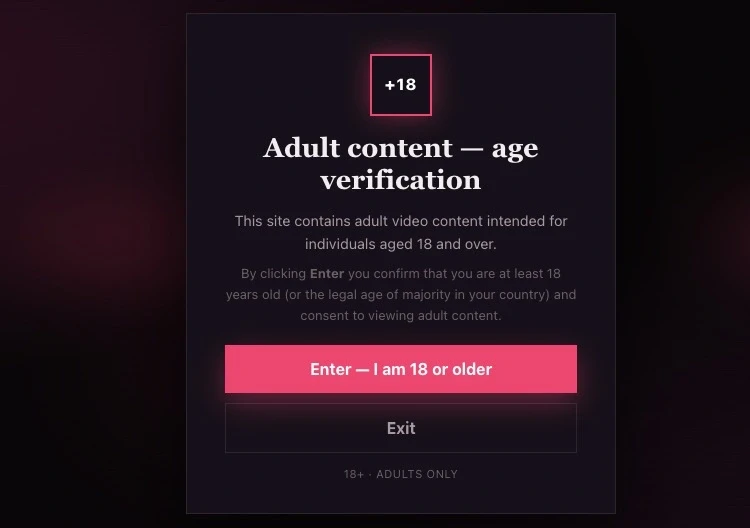
To combat the unauthorized use of the domain and the damage to its public image, the Virginia Department of Health has filed an in rem lawsuit. An in rem action is a legal proceeding directed against a piece of property—in this case, the domain name itself—rather than against a specific individual or corporation.
This legal path is frequently utilized in domain disputes when the registrant has provided false contact information, is located in a foreign jurisdiction, or cannot otherwise be easily served with a traditional lawsuit. By filing against the domain name, the state can seek a court order directed at the domain registry to transfer ownership back to the rightful party.
The choice of venue is also strategic. The state filed the case in the Eastern District of Virginia, a jurisdiction commonly known as the "Rocket Docket" for its efficiency in handling intellectual property and technology cases. More importantly, the Eastern District of Virginia is the legal home of Verisign, the authoritative registry for all .com and .net domain names. Because the registry that controls the "master list" of .com domains is located within the district, the court has the unique authority to issue orders that Verisign must follow, regardless of where the current registrant of VirginiaWIC.com is located.
The state is being represented in this matter by the law firm Dunlap Bennett & Ludwig, which has extensive experience in intellectual property and internet law. The legal team is expected to argue that the current use of the domain constitutes a violation of the Anticybersquatting Consumer Protection Act (ACPA) and potentially infringes upon the department’s common law trademarks related to the WIC program.
The Public Health and Safety Implications
The primary concern for the Virginia Department of Health is the immediate cessation of the redirect to adult content. The WIC program is a cornerstone of public health, providing essential services to a vulnerable population. The department argues that the current state of the domain not only tarnishes the reputation of the VDH but also poses a direct harm to the community it serves.
Public health officials have long emphasized the importance of digital accessibility. For many WIC recipients, the internet is the primary way to schedule appointments, check eligibility requirements, and access educational materials regarding infant health. When a trusted government-affiliated URL is co-opted for explicit purposes, it creates a barrier to care and erodes the public’s trust in state-run digital services.
The incident also serves as a cautionary tale for other state and local government agencies. As digital footprints expand, the management of secondary domains—those used for marketing, specific programs, or shortened redirects—requires the same level of oversight as primary .gov assets. Experts in digital governance often recommend that government entities move away from .com or .org domains entirely, favoring the more secure and regulated .gov top-level domain, which is restricted to verified government entities and managed by the Cybersecurity and Infrastructure Security Agency (CISA).
 Web Hosting & Domain Management
Berlin-Based INWX Domains GmbH Announces Application for .crew Top-Level Domain
In a significant move within the evolving landscape of the global Domain...
 Web Hosting & Domain Management
WIPO Panel Rebukes Temperley Holdings in Attempted Takeover of Founder’s Personal Domain Name
In a significant ruling that underscores the complexities of personal branding and...
 Web Hosting & Domain Management
The Afterlife of Authority: How Expired Domains are Fueling a Global Casino Boom
The digital landscape is often built upon the ruins of what came...







