
Evaluating the Landscape: Advantages and Challenges
As with any disruptive technology, blockchain presents a unique set of advantages and hurdles. On the positive side, the technology offers unparalleled security and transparency. By removing the middleman, it has the potential to significantly reduce transaction costs and settlement times. In the world of international finance, where transfers can take days to clear, blockchain allows for near-instantaneous movement of value across borders.
However, the technology is not without its complexities. The very features that make blockchain secure also make it difficult to implement on a mass scale. The computational power required to maintain a decentralized network is substantial, and for many users, the technical barrier to entry remains high. Additionally, while the blockchain is theoretically "unhackable" due to the constant review by a network of users, it is not entirely immune to sophisticated, coordinated attacks, though such events are exceedingly rare and difficult to execute.
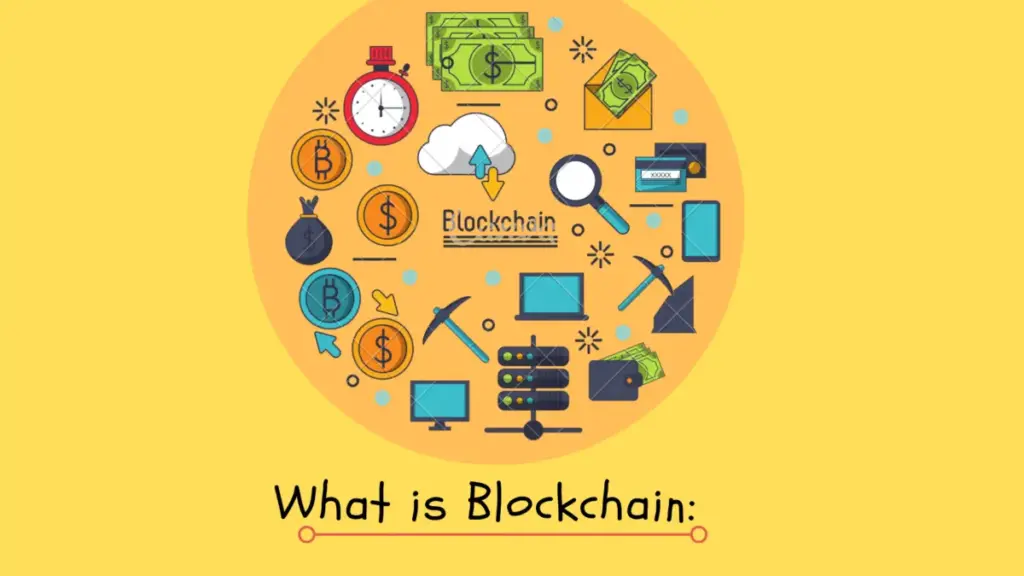
There is also a common misconception regarding the relationship between blockchain and cryptocurrency. It is vital to distinguish that while Bitcoin is a form of digital currency, blockchain is the infrastructure that makes it possible. A database is a collection of data organized by a management system where specific users have the authority to edit information. In contrast, a blockchain is a growing list of records where modification is prohibited by design, ensuring decentralized control.
The Road Ahead: 2024 and Beyond
The current state of blockchain technology is often compared to the early days of the internet. While there is still a degree of hesitation among some sectors to fully adopt these systems, the trajectory suggests that integration is inevitable. Over the next five to ten years, blockchain is expected to permeate nearly every major industry, from healthcare and insurance to real estate and voting systems.
As we move deeper into the mid-2020s, the initial skepticism that characterized the early Bitcoin era is being replaced by a pragmatic interest from CEOs and entrepreneurs. These leaders are beginning to understand how a decentralized ledger can be leveraged to gain a competitive advantage, streamline operations, and build deeper trust with consumers.
The transition from traditional, centralized databases to a blockchain-integrated world will likely be a gradual evolution rather than an overnight revolution. However, as the technology becomes more user-friendly and its benefits more evident, the reliance on banks and governments as the sole arbiters of trust will continue to diminish. The blockchain is not just a tool for digital currency; it is a new architecture for the digital age, promising a future of enhanced security, efficiency, and transparency for the global economy.
 Tech News & Digital Trends
Beyond the Blue Links: How AI Optimization is Redefining the Future of Organic Traffic
A quiet revolution is unfolding in the world of digital discovery, one...
 Tech News & Digital Trends
The Evolution of Digital Marketing: Top AI Content Generators Transforming the Industry in 2022
The landscape of digital marketing and content creation is undergoing a seismic...
 Tech News & Digital Trends
The Rise of AI Optimization: How Content Creators are Navigating the Shift from Search Engines to Generative Answers
A fundamental shift in digital discovery is currently underway, marking the most...







