
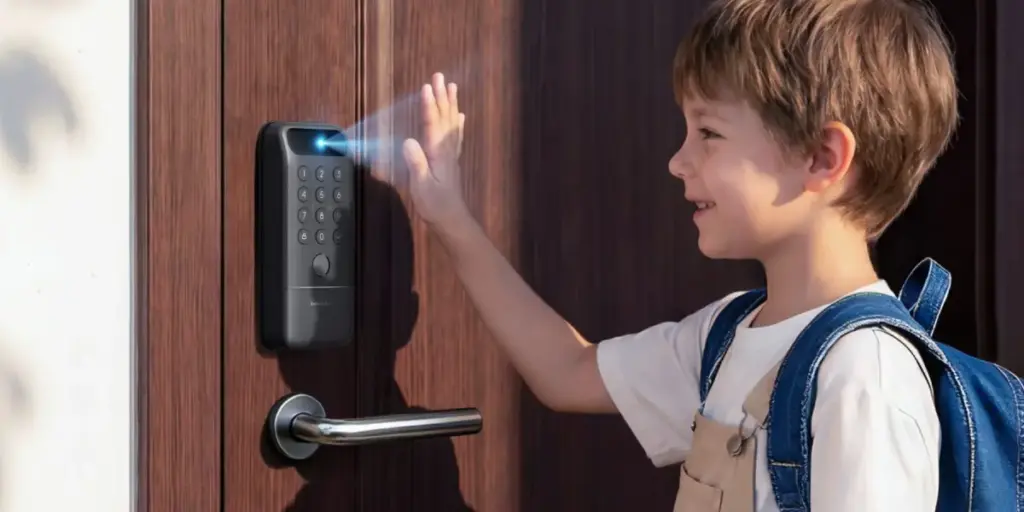
In the rapidly evolving landscape of smart home security, the transition toward more seamless, interoperable, and biometrically advanced solutions has become a primary focus for major manufacturers. SwitchBot, a company that initially gained recognition for its innovative "button-pushing" mechanical bots, has steadily expanded its portfolio into more sophisticated home automation categories. Today, the company announced its most ambitious security products to date: the SwitchBot Lock Vision and the SwitchBot Lock Vision Pro. These new entries into the smart lock market represent a significant shift for the brand, moving away from simple retrofit solutions toward high-end, feature-rich hardware designed to compete with the industry’s leading security brands.
For enthusiasts of the Apple Home ecosystem, the announcement is particularly noteworthy. The Lock Vision series arrives with native support for Matter over Wi-Fi right out of the box. This is a critical development for the brand, as it removes a long-standing barrier for many users. Historically, SwitchBot devices often required a proprietary SwitchBot Hub to bridge the gap between their native communication protocols and Apple’s HomeKit framework. With the integration of Matter over Wi-Fi, users no longer need to purchase or configure an additional hub to bring these locks into the Apple Home app. Instead, any existing Matter-compatible controller—such as an Apple TV 4K or a HomePod—can serve as the necessary link, simplifying the setup process and reducing the clutter of specialized bridges in the home.
Advanced Biometrics and 3D Facial Recognition
The centerpiece of the SwitchBot Lock Vision series is its sophisticated biometric suite, specifically its 3D facial recognition system. While many entry-level smart locks rely on basic 2D cameras that can occasionally be fooled by high-resolution photographs or video screens, SwitchBot has implemented a more secure, depth-sensing approach. The hardware utilizes an array that projects over 20,000 infrared (IR) points onto the user’s face. This creates a precise 3D depth map, allowing the system to verify the physical contours of a person’s features rather than just their visual appearance.
SwitchBot claims that this technology allows the lock to recognize and authenticate a user in under one second. The company has also prioritized reliability across various environmental and personal conditions. According to the manufacturer, the algorithm is robust enough to identify authorized users even if they are wearing glasses, hats, or wigs, or if they are sporting heavy makeup. This level of versatility is essential for a primary entry point, where lighting conditions and user appearance can change significantly throughout the day.
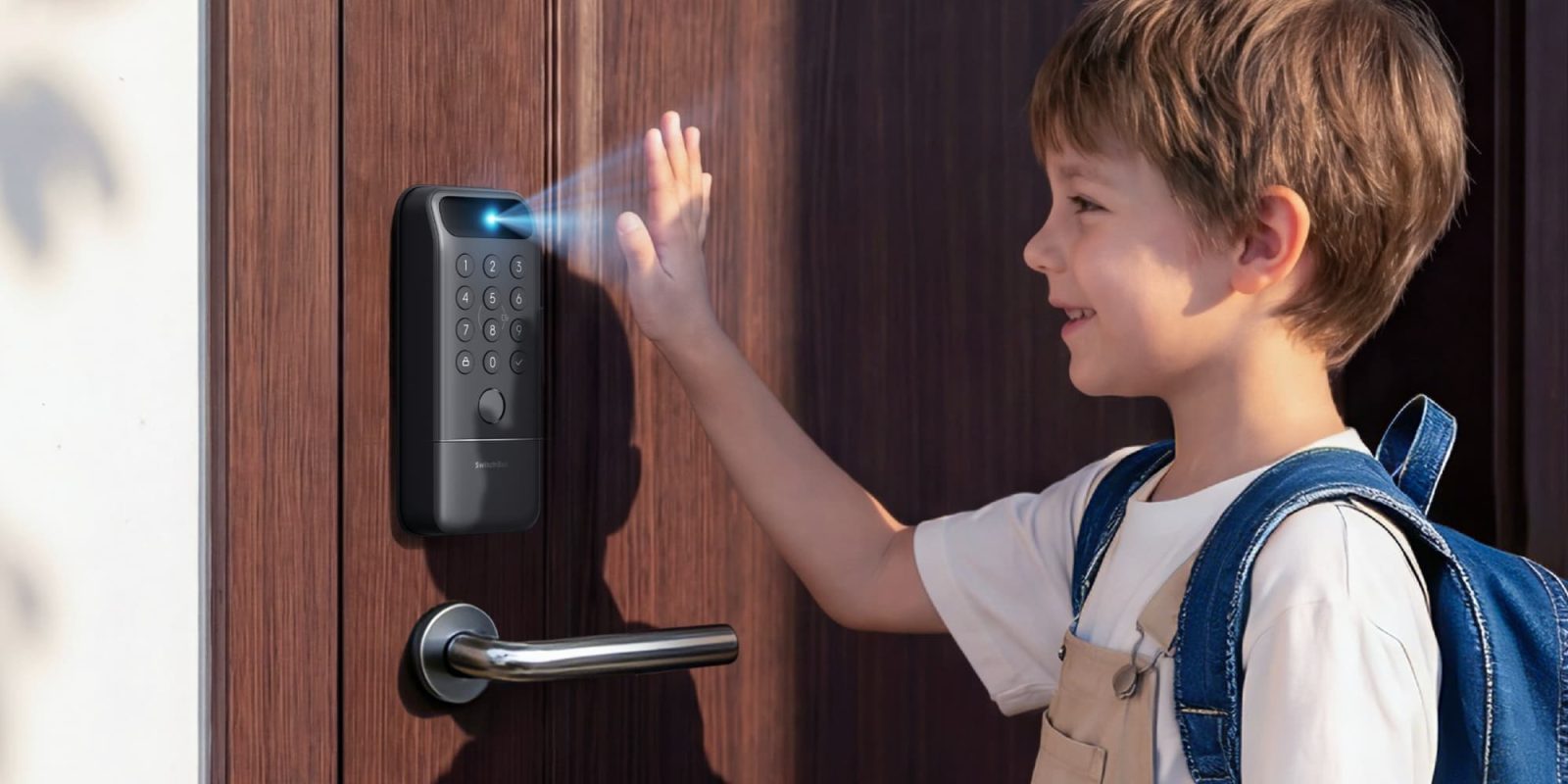
In an era where data privacy is a paramount concern for consumers, SwitchBot has opted for a localized approach to security. All biometric data, including the 3D facial maps and fingerprint information, is stored locally on the device itself. This data is protected using AES-128 encryption, ensuring that sensitive personal information is not uploaded to the cloud, where it might be vulnerable to external breaches. By keeping the authentication process "at the edge," SwitchBot addresses the growing demand for privacy-conscious smart home hardware.
For users seeking even more diverse entry methods, the Lock Vision Pro model expands the biometric capabilities further. While both models feature facial recognition, the Pro version adds a high-resolution semiconductor fingerprint scanner and a contactless palm vein scanner. The palm vein technology is a particularly high-end addition, utilizing near-infrared sensing to read the unique vascular patterns inside a person’s hand. Because this method does not require physical contact with the device, it offers a hygienic alternative to fingerprint scanning and is significantly more difficult to forge, as the "map" is internal to the body.
A Dual Battery System and mmWave Radar Efficiency
One of the most persistent challenges in the design of video-enabled smart locks is power management. High-definition cameras and constant biometric monitoring are energy-intensive processes that can quickly drain standard batteries. To combat this, SwitchBot has engineered a redundant, dual-power architecture for the Lock Vision series to ensure that homeowners are never locked out due to a power failure.
The primary power source is a high-capacity 10,000mAh rechargeable battery pack. Under typical usage conditions, SwitchBot estimates that this main battery can power the lock for up to 12 months on a single charge. However, recognizing that users may occasionally forget to recharge the main unit, the lock also includes a secondary power source: a set of CR123A batteries located inside the chassis. This secondary system acts as an emergency fail-safe, capable of providing up to 500 additional unlocks after the main battery has been depleted.
Furthermore, SwitchBot has addressed the possibility of a total power failure through an external emergency port. Located on the exterior hardware is a USB-C port, which allows a user to provide temporary power using a portable power bank or a smartphone with reverse charging capabilities. This multi-layered approach to power ensures that the lock remains functional even in extreme scenarios.
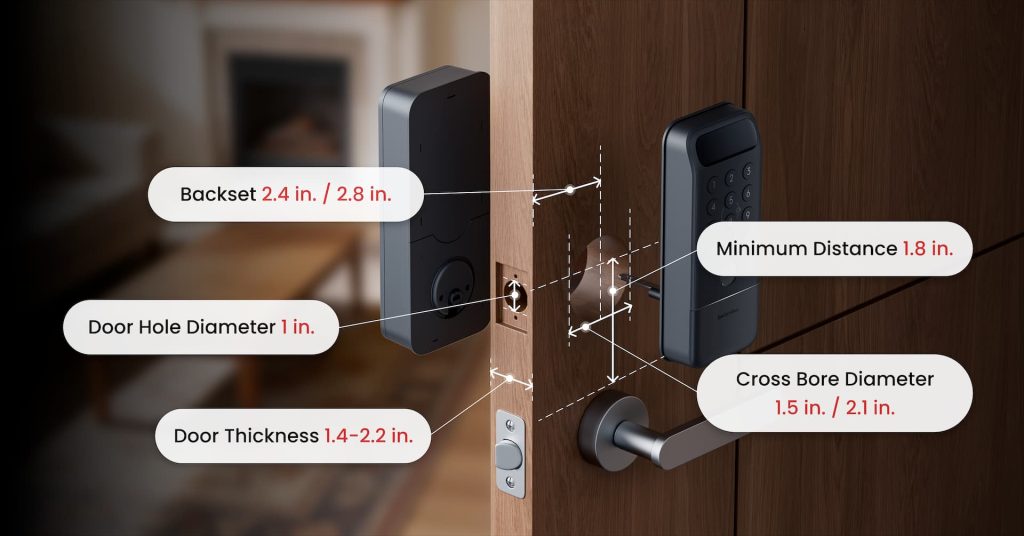
To maximize the longevity of the primary battery, SwitchBot has integrated mmWave (millimeter-wave) radar technology into the Lock Vision series. Unlike traditional Passive Infrared (PIR) sensors, which can be triggered by thermal changes or moving foliage, mmWave radar is highly precise at detecting human presence and proximity. This allows the lock to remain in a low-power "sleep" state until it detects someone physically approaching the door. Only then does it activate the power-hungry 3D facial recognition sensors and cameras. This targeted activation significantly reduces idle power consumption and prevents the lock from constantly scanning an empty porch or a busy sidewalk.
Matter over Wi-Fi and Ecosystem Integration
The inclusion of Matter over Wi-Fi is perhaps the most significant "quality of life" improvement for users within the Apple, Google, and Amazon ecosystems. Matter is a universal communication standard designed to break down the silos of proprietary smart home platforms. By supporting Matter over Wi-Fi, the SwitchBot Lock Vision series can be added directly to the Apple Home app, allowing users to control the lock, check its status, and include it in complex automations alongside devices from other manufacturers.
For Apple Home users, this means the lock can be integrated into "Arriving Home" scenes that turn on lights and adjust the thermostat when the door is unlocked. It also allows for Siri voice control and status notifications on the iPhone, iPad, Mac, and Apple Watch. While the Matter standard currently handles the core locking and unlocking functions, it provides a stable foundation for a unified smart home experience without the need for the manufacturer’s specific app for daily operation.
Beyond biometrics and Matter, SwitchBot has packed the Lock Vision series with a wide array of alternative entry methods to suit different preferences and scenarios. The locks support NFC cards, which can be useful for guests or service providers who may not want to register their biometrics. Standard numeric passcodes can be entered on the device, and the lock supports auto-unlocking via geo-fencing, which detects when a user’s smartphone is approaching the home. For those who prefer traditional methods or need a backup for mechanical peace of mind, a physical key remains an option.
Lock Vision versus Lock Vision Pro and Market Availability
When choosing between the two models, consumers will find that the foundational technology remains consistent. Both the standard Lock Vision and the Lock Vision Pro feature the same 10,000mAh main battery, the same mmWave radar for efficiency, and the same Matter over Wi-Fi connectivity. The primary 3D facial recognition system is also identical across both units, providing a high level of security regardless of the price point.

The Pro model is positioned as the premium choice for those who want the maximum number of authentication options. By adding the semiconductor fingerprint reader and the near-infrared palm vein scanner, the Pro model provides a total of three distinct biometric entry methods. This can be particularly beneficial for large households where different members may prefer different methods, or for environments where touchless entry is preferred for hygiene reasons.
While the feature set is extensive, there is one notable omission for dedicated Apple users: Apple Home Key support. Home Key is a specific Apple feature that allows users to store a digital key in their iPhone or Apple Watch Wallet, enabling them to unlock a door simply by tapping their device against the lock using NFC. While the SwitchBot Lock Vision series supports Matter and can be controlled within the Home app, it does not currently offer the specific Home Key functionality found in some competing locks from brands like Schlage or Aqara. However, the inclusion of 3D facial recognition and palm scanning serves as a powerful biometric alternative to the convenience of Home Key.
The SwitchBot Lock Vision is launched with a retail price of $169.99, positioning it as a competitive mid-range option given its integrated camera and facial recognition capabilities. The upgraded Lock Vision Pro, with its additional biometric sensors, is priced at $229.99. Both models are officially available starting today through Amazon, with various launch day promotions and deals expected to be available for early adopters.
As the smart home market continues to mature, the Lock Vision series suggests a trend toward "all-in-one" devices that combine security cameras, biometric scanners, and universal connectivity standards. By eliminating the need for external hubs and providing multiple layers of power and authentication redundancy, SwitchBot is aiming to capture a segment of the market that demands both high-tech features and simplified installation.
 Smart Home & IoT Solutions
Apple Partners with LG for Strategic Smart Home Expansion Featuring New Cameras and Sensors
In a significant move to revitalize its presence in the domestic technology...
 Smart Home & IoT Solutions
SwitchBot Unveils Lock Vision Series Featuring Matter Integration and Advanced 3D Biometric Recognition
In a significant expansion of its smart home security portfolio, SwitchBot has...
 Smart Home & IoT Solutions
Apple Partners with LG for Major Smart Home Expansion Featuring New Cameras, Locks, and Thermostats
In a significant strategic shift for its domestic technology ecosystem, Apple is...







