
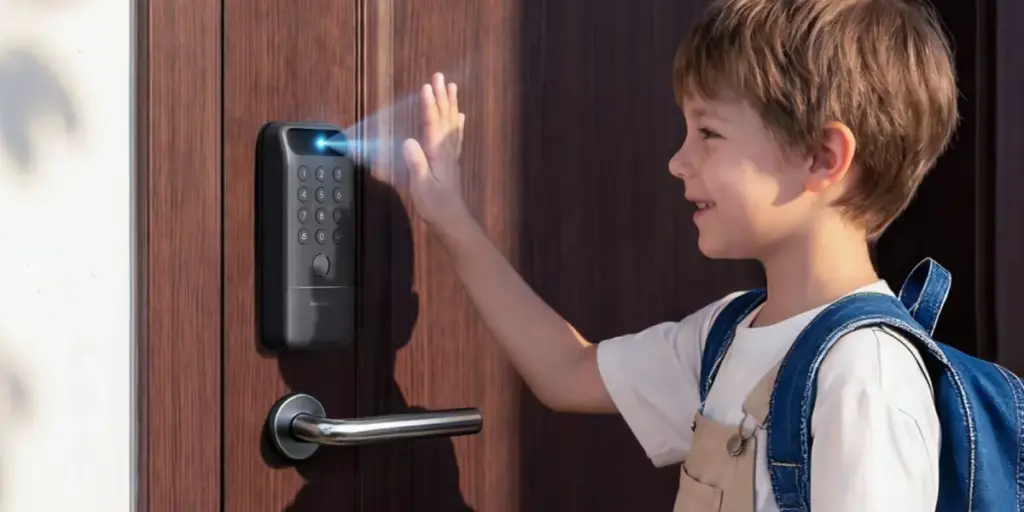
The Lock Vision series features a dual-power, dual-pack system designed to eliminate the anxiety of being locked out due to a dead battery. The primary power source is a 10,000mAh rechargeable battery pack. Under typical usage conditions, SwitchBot estimates this pack can power the lock for up to 12 months on a single charge.
However, the innovation lies in the redundancy system. Tucked inside the chassis is a secondary CR123A battery. If the main rechargeable pack is depleted, the lock automatically switches to this backup, providing enough energy for up to 500 emergency unlocks. This gives the homeowner a substantial window of time to recharge the primary battery without losing access to the home. In the unlikely event that both power sources fail, the exterior of the lock features a USB-C port, allowing a user to provide temporary "jump-start" power using a portable power bank.
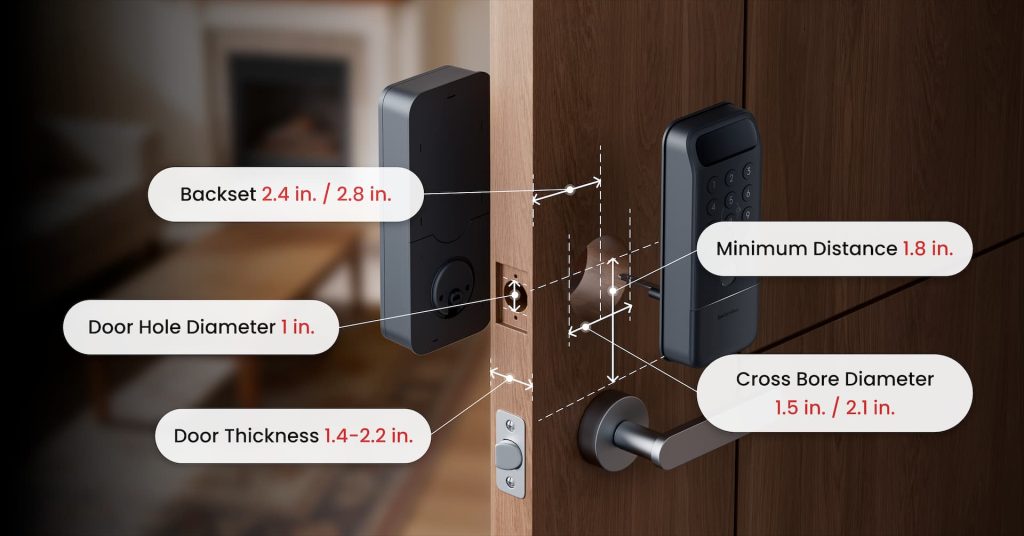
To further extend the lifespan of these batteries, SwitchBot has integrated mmWave radar technology into the Lock Vision series. Unlike traditional Passive Infrared (PIR) sensors, which can be triggered by heat signatures or moving objects like wind-blown branches, mmWave radar is highly precise. It can detect the specific distance and movement patterns of a human approaching the door. This ensures that the energy-intensive 3D facial recognition sensors are only activated when a person is physically standing in front of the lock, preventing unnecessary battery drain from sidewalk traffic or environmental movement.
Seamless Integration with Matter over Wi-Fi
For years, the smart home market has been fragmented by competing protocols, often requiring users to purchase multiple "hubs" or "bridges" to make different devices talk to one another. The SwitchBot Lock Vision series aims to bypass this complexity by supporting Matter over Wi-Fi natively.
Matter is the industry-unifying communication standard backed by Apple, Google, Amazon, and Samsung. By supporting Matter over Wi-Fi out of the box, the Lock Vision series allows Apple Home users to integrate the device into their ecosystems with unprecedented ease. There is no longer a requirement to purchase a dedicated SwitchBot Hub to bridge the lock to HomeKit. Instead, the lock can communicate directly with an existing Apple Home hub, such as an Apple TV or a HomePod.
This integration allows the Lock Vision to participate in complex home automations. For instance, unlocking the door could trigger a "Welcome Home" scene that adjusts the thermostat, turns on the entryway lights, and disarms the security system. Beyond the biometric and smart home controls, SwitchBot has included a wide array of alternative entry methods to ensure flexibility. The locks support NFC cards, customizable passcodes, and physical keys. Additionally, for those who prefer a completely automated experience, the system supports geo-fencing for auto-unlocking as the user’s smartphone approaches the perimeter of the home.
 Smart Home & IoT Solutions
Abode Expands Apple Home Ecosystem with New Ruggedized Garage and Outdoor Security Sensors
The landscape of DIY home security continues to evolve as homeowners move...
 Smart Home & IoT Solutions
Apple Intelligence and 4K Video Support Headline Significant Home App Upgrades in iOS 27
As Apple prepares for what is rumored to be one of its...
 Smart Home & IoT Solutions
Controller for HomeKit Introduces Generative AI to Simplify Complex Smart Home Automations
The landscape of smart home management is undergoing a significant shift as...







