
Safety Features and Actionable Alerts
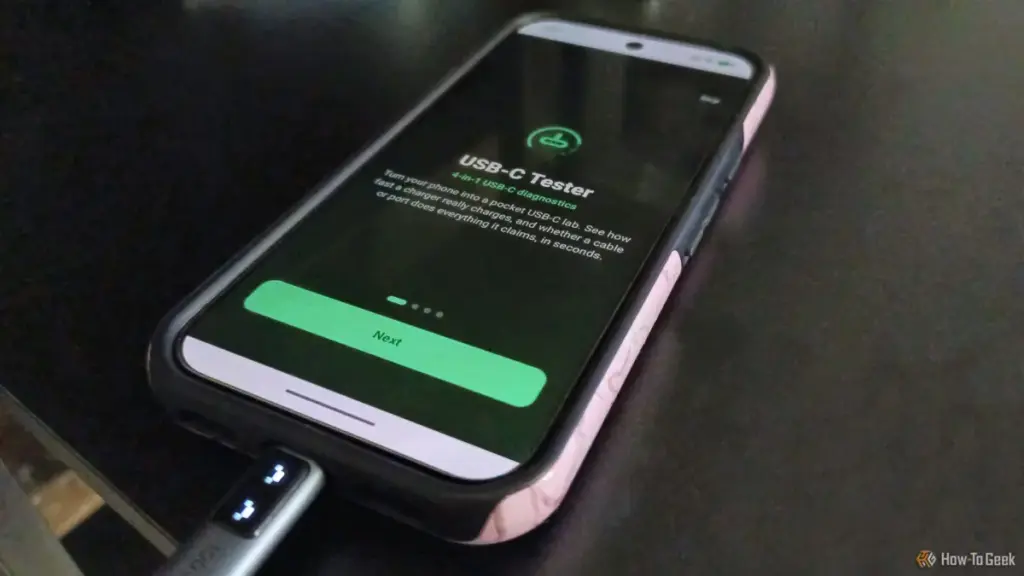
One of the most practical applications of this software is its role as a safety monitor. The USB-C Tester app includes an "Alerts & Settings" section that allows users to define custom parameters for their charging environment. Users can set thermal thresholds; if a cable or device exceeds a certain temperature during a fast-charging session, the app triggers a notification.

These alerts cover a range of potential hazards, including overvoltage, irregular power flow, and high resistance. By transforming raw electrical data into actionable alerts, the app serves as an early warning system against faulty third-party chargers or cables that could potentially damage the smartphone’s internal components.
Cross-Platform Alternatives and the Broader Ecosystem
While the "USB-C Tester: Cable & Charger" app is a standout choice for the Android ecosystem, the need for cable transparency is universal across all computing platforms. Other developers have stepped in to provide similar diagnostic tools for different operating systems.
For users within the Apple ecosystem, "WattCheck" offers a comparable experience on iOS, helping iPhone and iPad users navigate the shift to USB-C that began with recent hardware iterations. Desktop users also have specialized tools at their disposal. On macOS, "WhatCable" provides detailed insights into the specifications of cables connected to MacBook ports. Meanwhile, Windows users often turn to "USB Device Tree Viewer," a more technical utility that allows for a deep dive into the properties and descriptors of any USB device or cable connected to a PC.
Conclusion: Navigating the Future of Connectivity
As USB-C continues to solidify its position as the singular port for the digital age, the discrepancy between physical uniformity and technical diversity remains a challenge for consumers. The move toward software-based diagnostic tools represents a democratization of technical knowledge, allowing users to verify the hardware they rely on daily without needing a degree in electrical engineering.
By providing a clear window into the power and data protocols of a simple-looking cord, these applications do more than just satisfy curiosity—they optimize performance and safeguard expensive hardware. Whether it is ensuring a cable supports the latest PPS charging standard for a new flagship phone or identifying a failing cable before it causes a short circuit, these tools have become an essential part of the modern digital toolkit. As charging speeds continue to climb toward the 240W limit of the latest USB-C specifications, the ability to monitor and verify these connections will only become more vital.
 Tech Tutorials & How-To Guides
The USB-C Power Revolution: How Modern Portable Batteries are Redefining Device Mobility
For decades, the Universal Serial Bus, or USB, was viewed primarily through...
 Tech Tutorials & How-To Guides
The Persistence of Browser Hijackers: How a Tech Expert Used AI to Reclaim Chrome
In the modern digital landscape, the line between a helpful browser extension...
 Tech Tutorials & How-To Guides
The Evolution of Minimalism: Why Compact Keychain Multi-Tools are Reshaping Modern Everyday Carry
For over a decade, the philosophy of "Everyday Carry," or EDC, was...







