
Furthermore, the companion app allows parents to manage the child’s schedule through the implementation of "quiet hours." These designated blocks of time can be set to coincide with school hours, homework sessions, or bedtime, ensuring that the phone does not become a source of disruption during essential parts of the day. This level of oversight provides a layer of reassurance for families navigating the transition toward greater childhood independence.
Beyond safety: The push for meaningful conversation
While the safety features are a primary selling point, the team behind Tin Can emphasizes that the device is also intended to serve a developmental purpose. In an age where much of youth communication is mediated through emojis, short-form text, and disappearing photos, the art of the spoken conversation is often sidelined. Tin Can’s hardware, which focuses exclusively on voice calls, is designed to promote verbal literacy and the social nuances of real-time dialogue.
By removing games, texting, and social media feeds, the device forces the user to focus on the person on the other end of the line. This emphasis on "meaningful communication" is part of a broader movement among child development experts and tech-conscious parents who are concerned about the impact of screen time on attention spans and social skills. The Tin Can device encourages children to use their voices to share stories, coordinate playdates, and check in with family members, fostering a sense of autonomy that is grounded in direct human interaction rather than digital engagement metrics.

Pricing structures and subscription tiers
Despite the streamlined nature of the hardware, the pricing and service model for Tin Can reflects the costs of maintaining a secure, private communication network. Each Tin Can handset is priced at £100. While some may view this as a significant investment for a device with limited features, the company positions it as a premium safety product rather than a budget toy.
To facilitate communication, Tin Can offers different service plans tailored to varying needs. The base level is the "Can 2 Can" plan. This plan allows Tin Can users to call other Tin Can devices for free. Notably, this plan also includes access to emergency services and permits international calls between Tin Can users in supported regions, including the United States, Canada, Australia, and New Zealand. This makes the device a potentially valuable tool for families with relatives living abroad, allowing children to maintain long-distance relationships in a safe environment.
 Mobile Device Management (MDM) & Mobile OS
Early Black Friday Deals Bring Significant Savings to the Oura Ring 5 as the Wearable Market Shifts Toward Discreet Health Monitoring
The landscape of wearable technology has undergone a significant transformation over the...
 Mobile Device Management (MDM) & Mobile OS
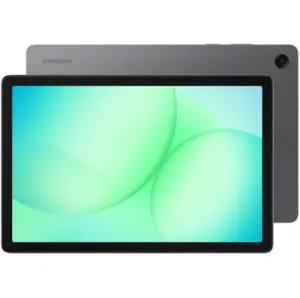
Samsung Galaxy Tab A11+ Sees Significant Price Cut as Amazon Offers Mid-Range Tablet for Under $200
Samsung has long maintained a dominant position in the global technology landscape,...
 Mobile Device Management (MDM) & Mobile OS
Sony WH-1000XM4 Prices Plunge to Record Lows as Black Friday Sales Begin
The annual Black Friday shopping season has officially arrived, bringing with it...