
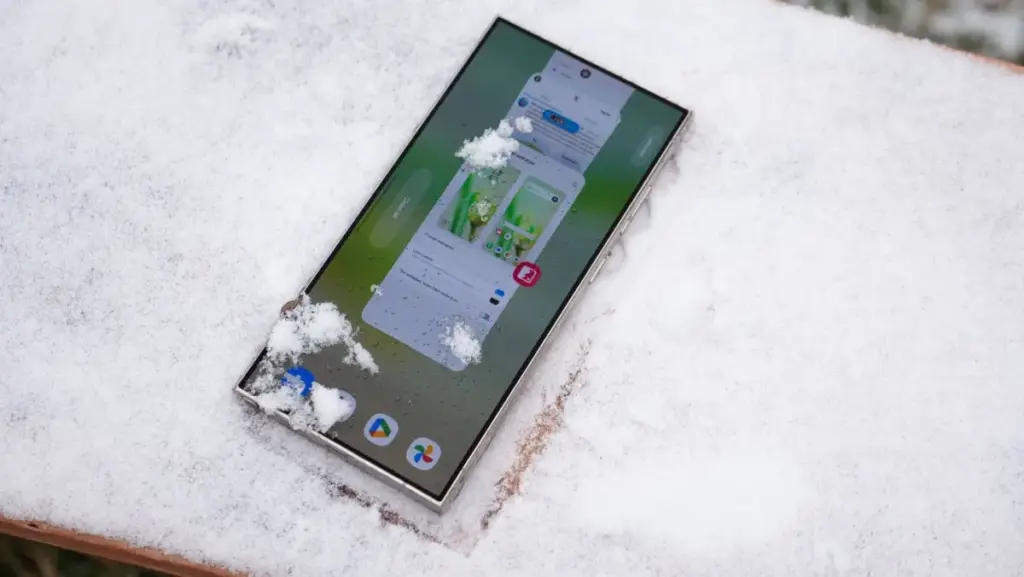
Samsung has maintained an aggressive pace in its software deployment cycle throughout the current month, pushing the latest iteration of its mobile operating system to a wide array of devices. However, the rollout of One UI 9, which coincides with the transition to the Android 17 architecture, appears to be hitting significant turbulence. While software updates are traditionally celebrated for bringing new features and security enhancements, early adopters of the One UI 9 update on Samsung’s flagship devices are reporting a series of debilitating issues, ranging from catastrophic battery depletion to critical errors during the initial setup process.
The most prominent reports have emerged from the Galaxy S24 Ultra community, where the device—once lauded for its exceptional endurance—is reportedly struggling to maintain a charge for even half a standard workday. According to data surfaced by SammyFans, one Galaxy S24 Ultra user documented a staggering loss of power, with the device consuming 95% of its battery capacity in just five hours and twenty minutes.
While the user categorized this period as "heavy use," the underlying metrics suggest a deeper systemic inefficiency. The device in question only recorded approximately three hours of "screen-on time" (SoT). For a handset equipped with a high-capacity 5,000mAh battery and a highly efficient processor, such a rapid decline is highly irregular. Under normal circumstances, the Galaxy S24 Ultra is expected to provide significantly more active usage time before approaching a total discharge, leading many to suspect that the One UI 9 update may have introduced a bug that prevents the hardware from entering its intended low-power states.
Widespread Reports of Battery Instability
The issues do not appear to be confined to a single isolated incident or model. Following the initial reports, a broader discussion has gained traction across social media and technical forums. A thread on Reddit, highlighted by 9to5Google, serves as a hub for Galaxy S24 owners to compare their post-update experiences. The findings are notably inconsistent, which is often a hallmark of complex software bugs that may be triggered by specific configurations, regional firmware variations, or background application conflicts.
While some users maintain that their battery life remains stable, a vocal segment of the community is reporting "horrendous" idle battery drain. One particularly concerning account described a Galaxy S24 losing 40% of its total charge over an 11-hour period while sitting completely idle. During this timeframe, the user recorded only two and a half hours of active screen use. This suggests that even when the phone is not being actively manipulated by the user, background processes or "keep-awake" commands within the One UI 9 environment are preventing the device from conserving energy.
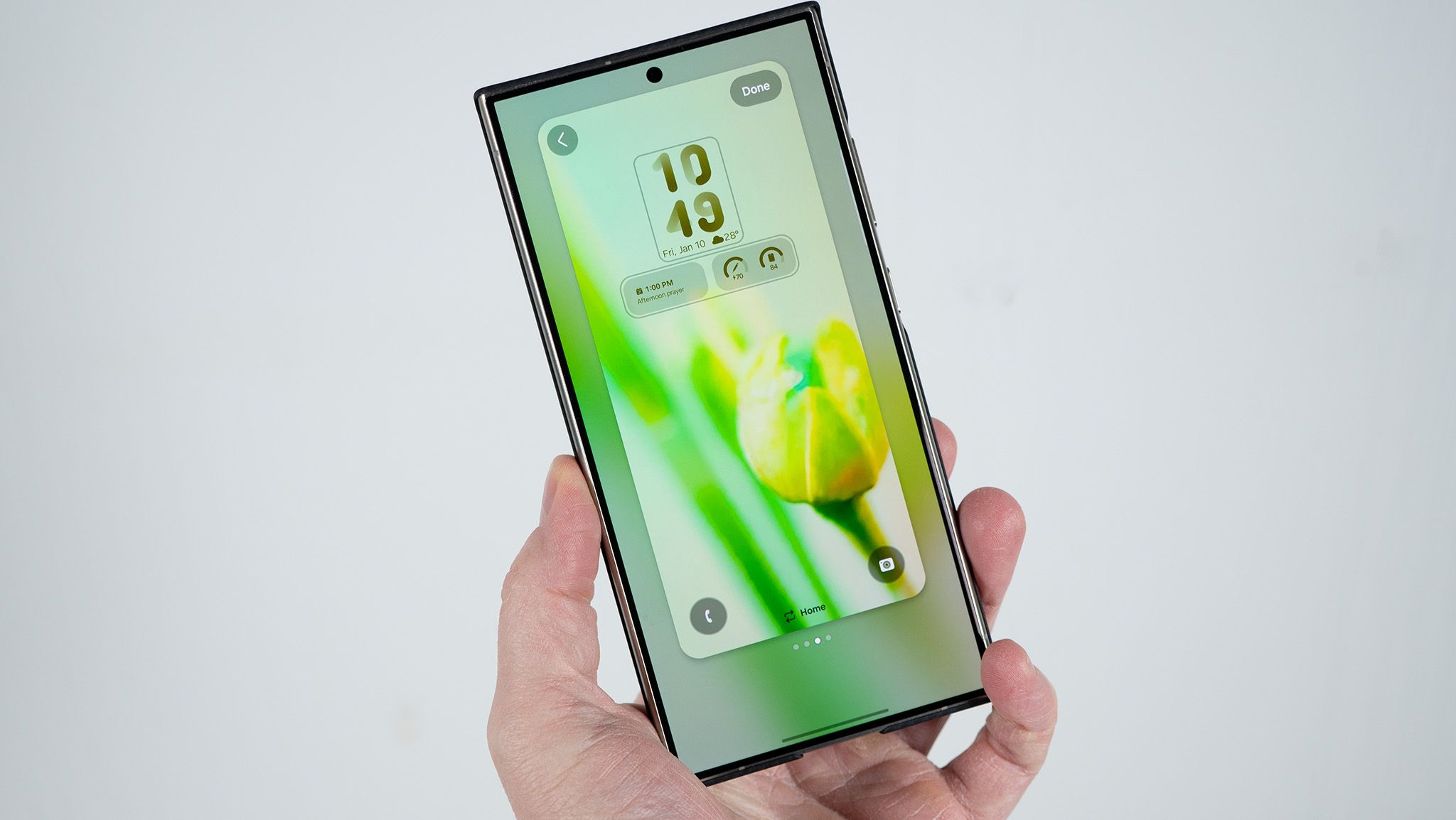
The phenomenon of idle drain is often more frustrating for consumers than active drain, as it undermines the reliability of the device as a tool that should be ready for use throughout the day. When a smartphone loses nearly half its capacity while resting in a pocket or on a nightstand, it indicates that the operating system’s power management protocols—specifically the "Deep Sleep" functions inherent to Android—are likely being bypassed by runaway system tasks.
The reports have also begun to touch upon Samsung’s newest hardware. Owners of the Galaxy S25 series have started sharing similar grievances, with one user noting that they have been forced to charge their device multiple times a day just to maintain functionality through evening hours. While internal testing of the Galaxy S25 Ultra by some outlets has yet to replicate these extreme results, the growing number of anecdotes from the user base suggests a "case-by-case" volatility that Samsung will likely need to address through subsequent optimization patches.
Bumps in the Road: The Setup Bug
The software complications are not limited to power management. In a particularly bizarre development, some users are finding themselves unable to even access their devices after installing the update. Reports from South Korea indicate that at least one Galaxy S26 Ultra user encountered a critical failure during the post-update setup phase.
According to the report, the user was successfully able to download and initiate the installation of the Android 17-based One UI 9 update, but the process stalled at the final hurdle. Instead of being greeted by the lock screen or home screen, the user was met with a persistent "webpage is unavailable" error. This specific error message suggests that the final steps of the One UI setup wizard may be reliant on a web-view component or a server-side handshake that is failing to complete.
The severity of this bug cannot be overstated, as it effectively renders the device a "brick" in the eyes of the consumer, preventing any access to apps, contacts, or personal data. Samsung’s response to this specific issue was relatively swift, though the proposed solutions were somewhat rudimentary. The company advised affected users to ensure that their system browsers are fully updated and recommended switching to a more stable Wi-Fi connection to bypass the error. While these steps may resolve the issue for some, the existence of such a roadblock in a final-release firmware version points to a lack of polish in the current One UI 9 build.
The Complexity of Modern Software Rollouts
The challenges Samsung is currently facing underscore the immense difficulty of managing a global software rollout across multiple generations of hardware. One UI 9 is a massive undertaking, involving not just aesthetic changes but a foundational shift to Android 17. When an operating system undergoes such a significant version jump, every layer of the software—from the kernel that talks to the hardware to the proprietary Samsung features like Galaxy AI—must be perfectly synchronized.
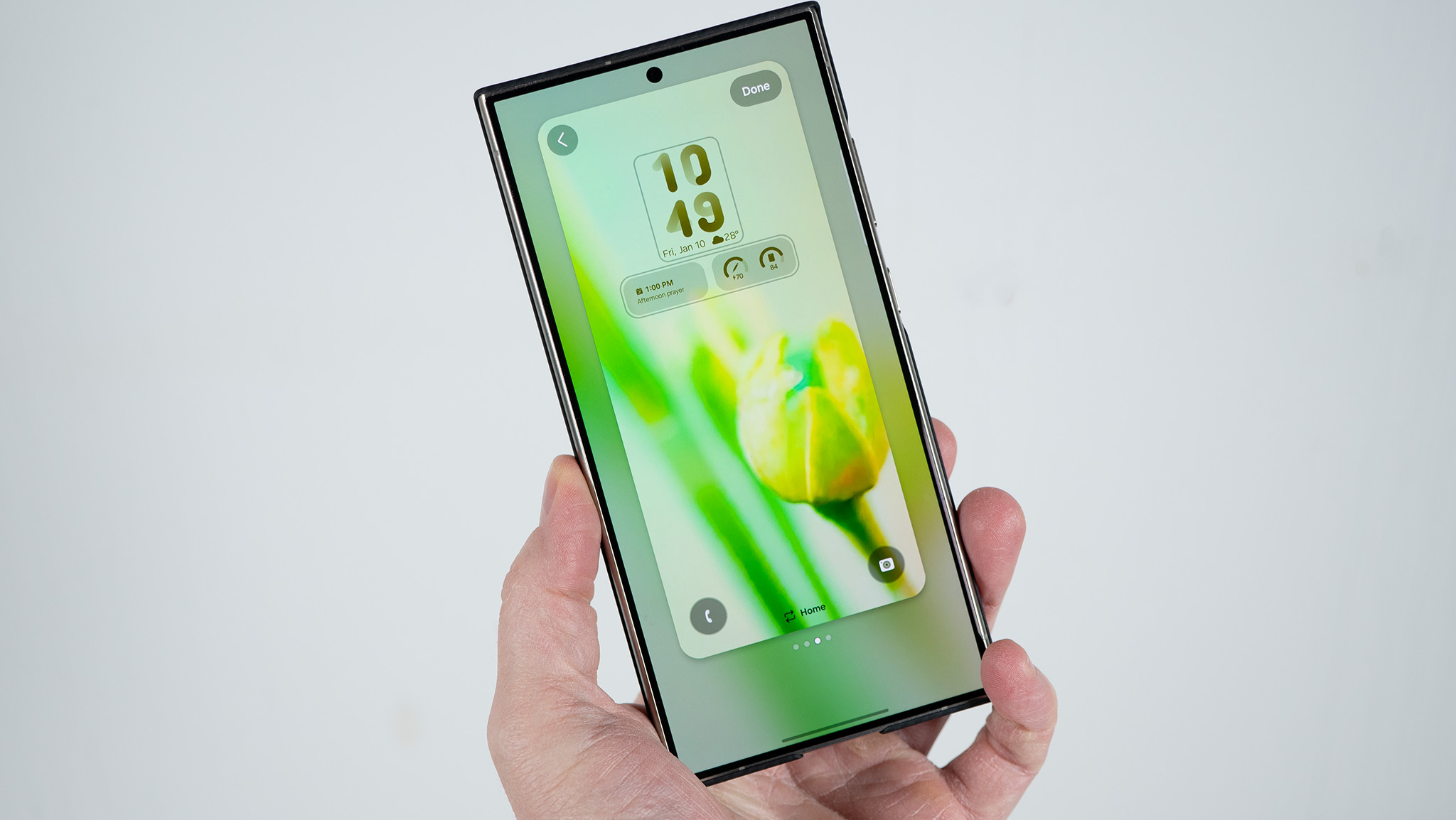
In the case of the Galaxy S24 Ultra, the battery drain could be attributed to several factors. Often, after a major update, a device will undergo a period of "indexing," where it re-organizes files and optimizes apps for the new OS version. While this can cause temporary drain, the 95% drop reported by users far exceeds the typical power consumption associated with background indexing. It is more likely that a specific system service is failing to "hand off" control back to the processor’s efficiency cores, keeping the device in a high-performance state unnecessarily.
Furthermore, the discrepancy between different users’ experiences suggests that the bug may be tied to specific third-party app interactions that have not yet been optimized for Android 17. However, when the drain occurs at the system level—as seen in the idle drain reports—the responsibility typically falls on the manufacturer to provide a firmware-level fix.
Looking Ahead
As these reports gain traction on Samsung’s official community forums and platforms like Reddit, the pressure is mounting on the tech giant to provide a formal acknowledgment and a timeline for a "hotfix." Historically, Samsung has been proactive in addressing rollout bugs, often releasing "Point 1" updates (e.g., One UI 9.1) or security patches that include stability improvements shortly after a major launch.
For now, users who have not yet hit the "download" button on the One UI 9 prompt may find it prudent to wait until these initial reports are addressed. For those already experiencing the drain, standard troubleshooting steps—such as clearing the system cache partition or monitoring the battery usage menu for specific "runaway" apps—may provide temporary relief, though a permanent solution will likely require an official update from Samsung.
The current situation serves as a reminder of the "bleeding edge" risks associated with being an early adopter of major OS revisions. While One UI 9 promises a more integrated and intelligent user experience, the path to a stable, optimized version of Android 17 on Galaxy devices appears to have a few more hurdles than Samsung or its customers had anticipated. As the company continues to investigate the "webpage is unavailable" setup error and the underlying causes of the battery depletion, the global community remains watchful for the next move from the world’s leading smartphone manufacturer.
 Mobile Device Management (MDM) & Mobile OS
The Growing Pains of "Geminification": Pixel Users Express Frustration as Google Assistant Fades Away
The landscape of mobile artificial intelligence underwent a seismic shift this past...
 Mobile Device Management (MDM) & Mobile OS
Xiaomi Unveils the 18 Pro and 18 Pro Max: A Dual-Screen Powerhouse Aimed at the Global Ultra-Premium Market
Following a notable absence in the international flagship market last year, Xiaomi...
 Mobile Device Management (MDM) & Mobile OS
Google Implements Significant Price Hike for Pixel 10a, Reshaping the Mid-Range Smartphone Landscape
In a move that signals a shift in the value proposition of...







