

Samsung has officially bolstered its presence in the American wearables and accessories market with the dual release of two highly anticipated products. On November 6, the technology giant announced that the Galaxy SmartTag 3 and the Galaxy Buds On are now available for purchase in the United States. The simultaneous launch marks a strategic move by Samsung to refine its tracking capabilities while simultaneously entering a burgeoning niche in the personal audio space.
The arrival of these devices follows weeks of speculation and technical teases, positioning Samsung to compete more aggressively in the holiday shopping season. By refreshing its tracking hardware and introducing a radical new form factor for its earbuds, the company is signaling a commitment to both utility and ergonomic innovation.
The Evolution of Personal Tracking: Galaxy SmartTag 3
The Galaxy SmartTag 3 represents the next generation of Samsung’s tracking technology, arriving with a suite of hardware and software improvements designed to offer users more peace of mind regarding their valuable belongings. According to Samsung, the new tracker features a "slimmer design," a critical update for a device intended to be attached to keys, slipped into wallets, or hidden inside luggage. This more compact footprint ensures that the device remains unobtrusive while maintaining the durability required for daily use.
Beyond the physical refinements, the SmartTag 3 introduces sophisticated software capabilities aimed at proactive monitoring. Two primary features stand out in this iteration: Place Notification and Movement Detection Alert. In a joint blog post detailing the launch, Samsung explained that the Place Notification system acts as a digital geofence. Users can predefine a specific area—such as a home, office, or gym—and the system will automatically alert the user if the tagged item moves in or out of that designated boundary. This feature is particularly useful for parents keeping track of children’s backpacks or travelers wanting to ensure their luggage remains within a specific zone at an airport.
Complementing this is the Movement Detection Alert. While the Place Notification is based on geographic boundaries, the Movement Detection Alert is a more immediate warning system. It informs the user the moment a tagged item begins to move, regardless of its location. This could serve as a vital anti-theft measure for bicycles, high-end equipment, or any personal property left temporarily unattended.
To assist with the actual recovery of items, Samsung has integrated these alerts with the SmartTag 3’s Compass View. This interface provides users with precise "distance and directional guidance" to help them hone in on their property. The company states that the Compass View is effective at distances of up to 60 meters, bridging the gap between general GPS location and the final few steps of a search. For situations where an item has been missing for a longer period, the SmartTag 3 offers Location History, allowing users to review a chronological log of where the tag has been.
Connectivity remains a cornerstone of the SmartTag 3 experience. The device leverages the Galaxy Find Network, a massive mesh of Samsung devices that can securely and anonymously report the location of a lost tag. Furthermore, the SmartTag 3 features cross-OS support, ensuring it can interface with a wider range of devices within the broader ecosystem. In the U.S. market, the Galaxy SmartTag 3 is priced at $29.99 for a single unit, while a four-pack is available for $99, offering a bulk-purchase discount for users looking to secure multiple items.
It’s all here
The second half of Samsung’s November launch focuses on the audio experience, specifically the official U.S. debut of the Galaxy Buds On. First announced in late October, these earbuds represent a significant departure from Samsung’s previous audio designs. Moving away from the traditional "in-ear" or "canal" style, the Galaxy Buds On utilize an open-ear, clip-on design that prioritizes long-term comfort and situational awareness.
Each earbud weighs just 6.65 grams and is designed to wrap around the outer ear rather than being inserted into the ear canal. This design is intended to reduce the ear fatigue often associated with traditional earbuds and is particularly targeted at users who need to remain aware of their surroundings, such as runners, cyclists, or office workers. To achieve a secure yet comfortable fit, Samsung claims it utilized "over 119 million ear data points." This extensive research into human anatomy was conducted to refine the ergonomics of the clip-on mechanism, ensuring that the device remains stable during physical activity without causing pressure points.
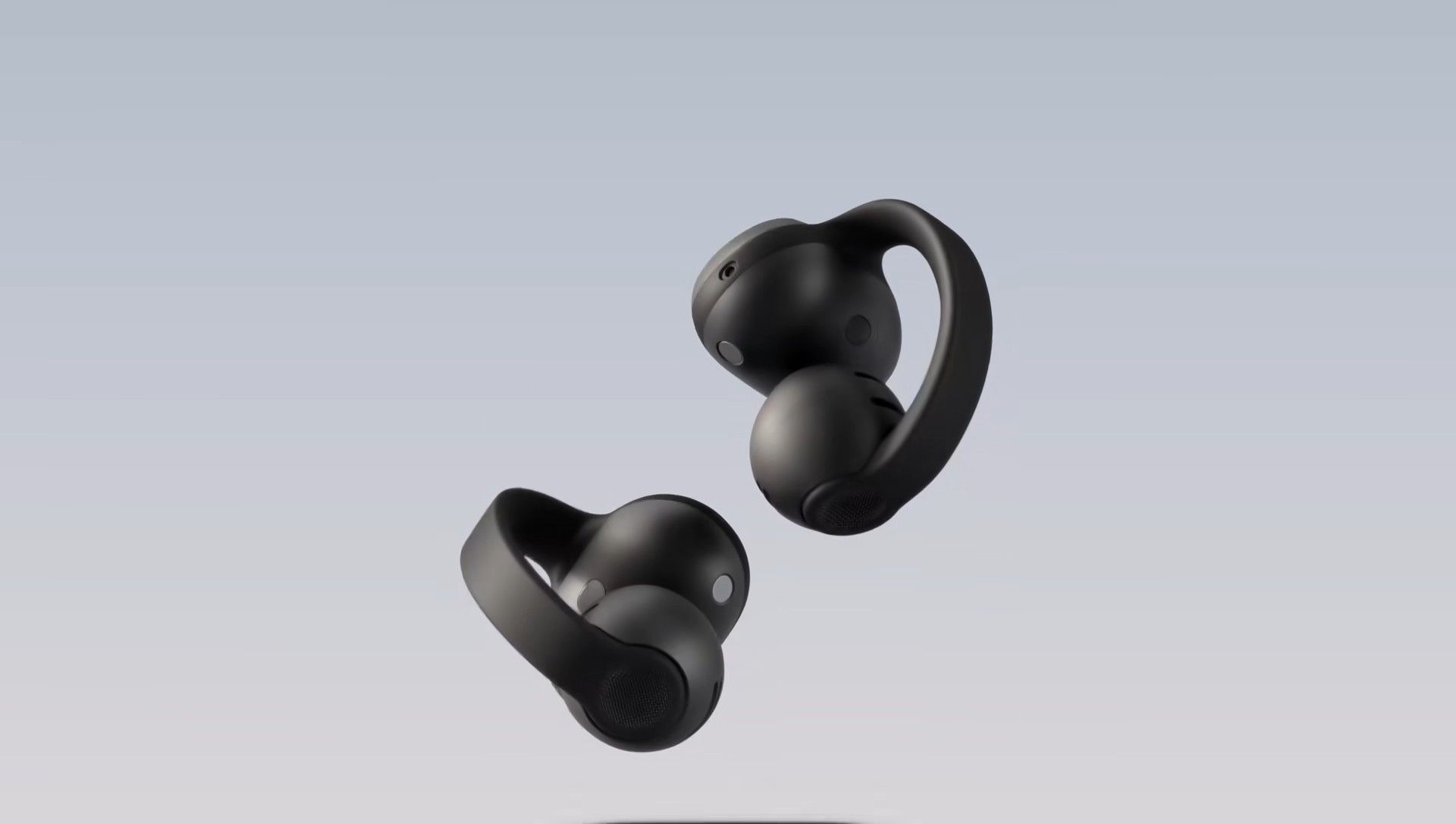
While the open-ear design naturally allows ambient sound to enter the user’s field of hearing, Samsung has implemented several technologies to ensure that audio quality and privacy are not compromised. The Galaxy Buds On feature the TwinBoost Speaker system, which includes an automatic volume adjustment capability. This technology monitors the noise levels of the user’s environment and alters the audio output in real-time to maintain clarity. If a user moves from a quiet room to a noisy street, the TwinBoost system compensates for the increase in external sound.
Privacy is another concern with open-ear audio, as sound can often bleed out to those nearby. To mitigate this, Samsung has equipped the Galaxy Buds On with Audio Leakage Reduction technology. This system is designed to direct sound waves specifically into the ear, keeping the user’s music or phone calls private even in public spaces.
The Galaxy Buds On are also deeply integrated with modern AI and gesture-based controls. As expected for a flagship Samsung accessory, the earbuds support Google’s Gemini Live, allowing users to engage in fluid, voice-activated conversations with the AI assistant. This integration enables users to perform tasks, ask questions, or manage their schedules entirely hands-free.
In addition to voice commands, Samsung has introduced intuitive head gestures to manage common interactions. Users can answer phone calls, swipe through their digital notifications, or silence alarms simply by moving their heads. These gestures provide a secondary layer of control that is especially useful when the user’s hands are occupied.
The Galaxy Buds On are now available at Samsung’s official storefront and through various major retailers for $229. This pricing places them in the premium segment of the open-ear market, competing with other high-end offerings that prioritize comfort and ambient awareness over active noise cancellation.
A Strategic Ecosystem Play
The release of the Galaxy SmartTag 3 and Galaxy Buds On highlights Samsung’s broader strategy of building a cohesive and versatile ecosystem of accessories. By addressing the specific needs of different user segments—those who prioritize the security of their physical belongings and those who seek a more comfortable, "aware" audio experience—Samsung is expanding the utility of its Galaxy brand beyond the smartphone.
The SmartTag 3’s improvements in range and notification logic suggest that Samsung is listening to user feedback regarding the reliability of tracking networks. As the Galaxy Find Network grows, the efficacy of these trackers increases, creating a "network effect" that benefits all Samsung users.
Meanwhile, the Galaxy Buds On represent a bold entry into the "open-ear" category, a segment of the market that has seen rapid growth as consumers look for alternatives to traditional ear-sealing designs. By combining lightweight materials, a massive database of ergonomic research, and advanced AI integration, Samsung is attempting to set a new standard for how open-ear audio should perform.
As these products hit store shelves today, they offer a glimpse into Samsung’s vision for the future of mobile accessories—one where hardware is slimmer and more comfortable, and software is more proactive and intelligent. Whether it is finding a lost set of keys with directional guidance or navigating a busy workday with head-gesture-controlled audio, these new additions to the Galaxy lineup are designed to integrate seamlessly into the modern digital lifestyle.
 Mobile Device Management (MDM) & Mobile OS
YouTube Premium May Expand into Audiobooks by 2027 as Google Eyes New Front in the Streaming Wars
The digital subscription landscape is currently undergoing a period of significant consolidation...
 Mobile Device Management (MDM) & Mobile OS
Xiaomi 18 Pro Confirmed to Feature Advanced Smart Privacy Display Technology
As the global smartphone market continues to shift its focus toward specialized...
 Mobile Device Management (MDM) & Mobile OS
Samsung Reportedly Developing ‘Galaxy Studio’ Over-Ear Headphones to Challenge Apple and Sony
The landscape of the premium audio market has long been defined by...







