

In a strategic move that signals a significant shift in its wearable audio philosophy, Samsung has officially confirmed the upcoming United States availability of the Galaxy Buds On. Scheduled to hit shelves in early November, these earbuds represent the company’s first foray into the rapidly growing "open-ear" category. Priced at $229, the Galaxy Buds On are positioned as a premium alternative to traditional in-ear monitors, catering to a demographic that prioritizes environmental awareness, long-term comfort, and seamless integration with artificial intelligence.
The announcement marks a departure from the design language established by the successful Galaxy Buds Pro and Buds2 series. While Samsung has spent years perfecting the silicon-tipped, canal-sealing design that offers passive and active noise cancellation, the Galaxy Buds On take the opposite approach. By utilizing a clip-on form factor, Samsung aims to capture a market segment currently occupied by fitness enthusiasts, urban commuters, and office professionals who find traditional earbuds either uncomfortable for extended wear or isolating to a fault.
A Design Rooted in Data and Ergonomics
The most striking feature of the Galaxy Buds On is their physical architecture. Unlike the "beans" or "stems" of previous generations, these earbuds utilize a flexible band that clips around the outer edge of the ear. This design ensures that the speaker sits just outside the ear canal rather than inside it. Samsung’s engineering team reportedly leaned heavily on advanced analytics to perfect this fit, claiming to have analyzed more than 119 million ear data points.
This massive dataset allowed the company to employ AI-assisted optimization and complex physics simulations to ensure the clip-on mechanism remains secure across a vast spectrum of ear shapes and sizes. By understanding the varying thicknesses of the human ear’s helix and antihelix, Samsung has developed a flexible band that provides enough tension to stay in place during vigorous activity—such as running or cycling—without causing the "pinching" sensation often associated with early clip-on prototypes.
Weight is a critical factor in the "wear-and-forget" experience that open-ear designs promise. At just 6.65 grams per earbud, the Galaxy Buds On are remarkably lightweight. This lightness, combined with the lack of pressure within the ear canal, is intended to mitigate the "ear fatigue" that many users experience after an hour or two of traditional earbud use. For those who spend their entire workday in meetings or their entire morning on the trails, the ergonomic profile of the Buds On could represent a significant quality-of-life improvement.
Engineering Sound for an Open Environment
One of the primary challenges of open-ear audio is delivering high-fidelity sound without the benefit of a sealed acoustic environment. Without a physical seal, bass frequencies tend to dissipate, and external noise can easily overwhelm the audio. Samsung’s solution involves the implementation of "TwinBoost" speakers. This technology is designed to provide a richer, more resonant sound profile that compensates for the open-air gap between the driver and the ear.
To address the issue of varying environmental volume, the Galaxy Buds On feature an automatic volume adjustment system. Using external microphones to monitor ambient decibel levels, the earbuds can dynamically increase or decrease the output, ensuring that a passing truck or a sudden gust of wind doesn’t drown out a podcast or a musical track.
Equally important in an open-ear design is the concept of "audio leakage." Because the speakers are not sealed inside the ear, there is a natural tendency for sound to project outward, potentially disturbing people nearby. Samsung has integrated Audio Leakage Reduction technology, which uses sophisticated acoustic beamforming to direct sound waves specifically toward the user’s ear canal while canceling out waves that would otherwise travel outward. This ensures that while the user remains aware of their surroundings, those surroundings remain unaware of the user’s playlist.
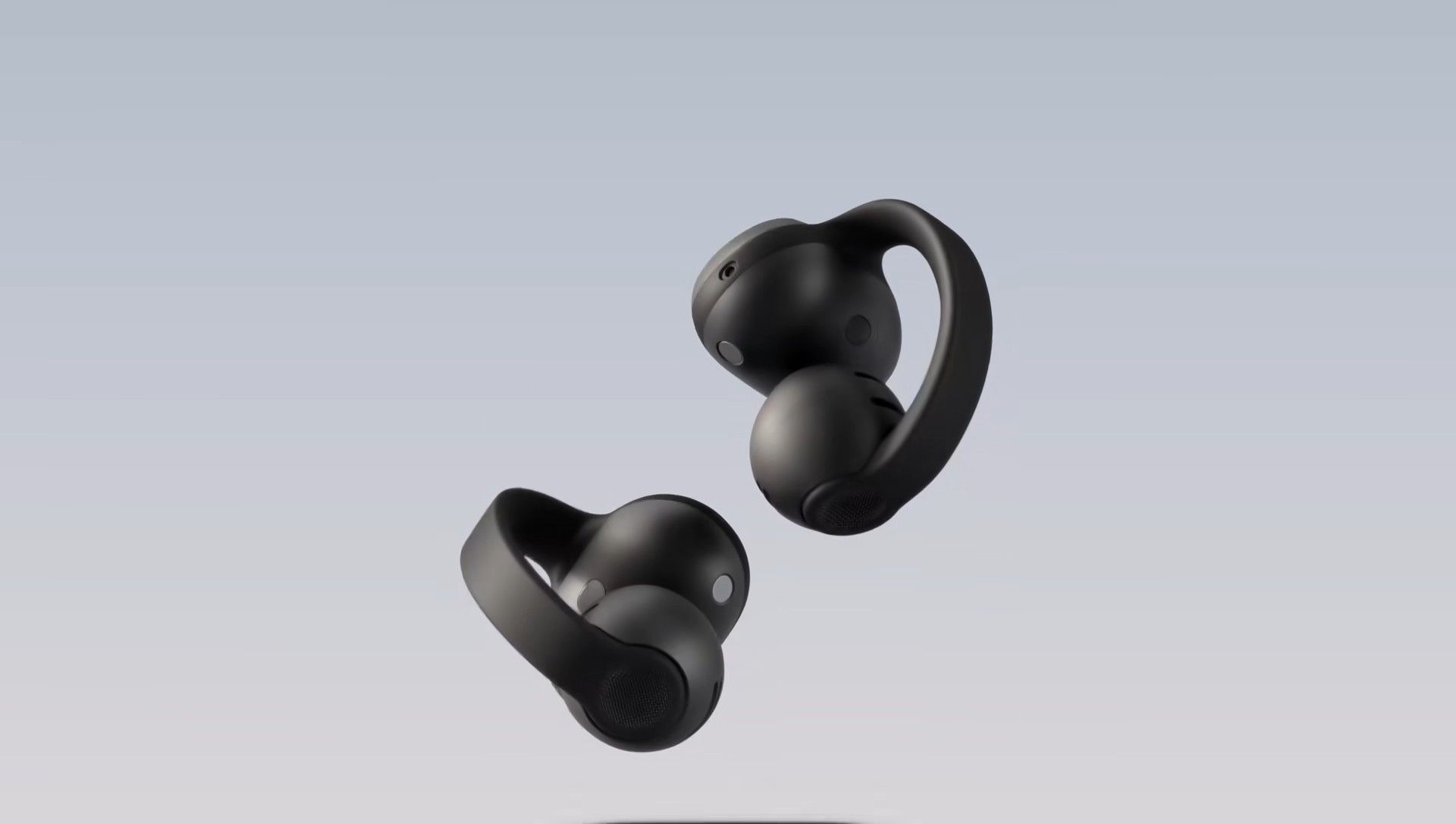
Communication quality is another pillar of the Galaxy Buds On experience. The hardware includes a three-microphone array on each bud, bolstered by a Voice Pickup Unit (VPU) sensor. These components work in tandem with machine learning algorithms to recognize the specific frequency of the user’s voice. By isolating the user’s speech and filtering out background clutter—whether it be the hum of an office air conditioner or the roar of city traffic—the system aims to provide "crystal clear" call quality even in less-than-ideal environments.
The Integration of Galaxy AI and Hands-Free Control
Beyond hardware and acoustics, the Galaxy Buds On are a vehicle for Samsung’s burgeoning Galaxy AI ecosystem. The earbuds are designed to act as a hands-free interface for a variety of smart features. For users with compatible Samsung devices, the Buds On offer direct integration with Gemini Live. Through simple voice commands, users can engage with the AI assistant to brainstorm ideas, ask complex questions, or manage their schedules without ever reaching for their phones.
Productivity features are further enhanced by the ability to record quick voice memos. By long-pressing the earbud, users can capture thoughts or reminders on the fly. These recordings are not just saved as audio files; they are integrated into the Bixby ecosystem, allowing users to search through their voice notes using natural language commands.
Samsung has also introduced "Head Gestures" to the Buds On, providing a truly touchless way to manage incoming communications. In scenarios where a user’s hands are occupied—such as while carrying groceries or driving—a simple nod of the head can accept an incoming call, while a shake of the head will decline it. This level of intuitive control highlights Samsung’s goal of making the Buds On an extension of the body rather than just a peripheral.
Battery Life and Ecosystem Synergy
For a device intended for all-day wear, battery longevity is paramount. The Galaxy Buds On offer up to 9.5 hours of continuous playback on a single charge. When combined with the additional charges provided by the carrying case, the total battery life extends to 38 hours. This puts the Buds On at the top of their class, potentially offering several days of use for the average listener before needing to seek out a USB-C cable or a wireless charging pad.
However, it is important to note that the Galaxy Buds On are designed with a "Samsung-first" mentality. While they function as standard Bluetooth earbuds for any compatible device, many of the most advanced features—including Gemini Live integration, Bixby voice search, and certain AI-driven sound optimizations—require a compatible Galaxy smartphone or tablet running the latest version of One UI. This ecosystem lock-in is a familiar strategy for the company, aimed at rewarding loyal users with a more cohesive and feature-rich experience.
Market Position and Global Availability
The US launch in early November follows an initial release in Samsung’s home market of South Korea. Recent listings from European retailers suggest that the US rollout is part of a broader global strategy to capture the high-end open-ear market before the holiday shopping season begins.
At $229, the Galaxy Buds On are entering a competitive field. They will face off against established players like Shokz, which has long dominated the bone-conduction and open-ear space, as well as newer premium entries like the Bose Ultra Open Earbuds. Samsung’s advantage lies in its massive existing user base and the deep integration of its AI software, which transforms the earbuds from simple audio playback devices into sophisticated personal assistants.
As the lines between fitness trackers, communication tools, and high-fidelity audio equipment continue to blur, the Galaxy Buds On represent Samsung’s bet on a future where "staying connected" doesn’t have to mean "tuning out." For runners who need to hear approaching vehicles, office workers who need to remain approachable, or tech enthusiasts who want the latest in AI-integrated wearables, the Galaxy Buds On offer a compelling, albeit premium, new path forward in personal audio.
 Mobile Device Management (MDM) & Mobile OS
OPPO Explores Chipset Shift for Upcoming Find X10 Ultra Amid Advanced Camera Testing
The landscape of premium mobile technology is often defined by the silent...
 Mobile Device Management (MDM) & Mobile OS
Samsung Reportedly Developing ‘Galaxy Studio’ Over-Ear Headphones to Challenge Apple and Sony
For nearly a decade, the premium over-ear headphone market has been defined...
 Mobile Device Management (MDM) & Mobile OS
Samsung’s Foray into the Googlebook Era: Leaked Benchmarks Reveal Snapdragon X Elite Power and Android 17 Integration
The landscape of portable computing is undergoing its most significant transformation in...







