
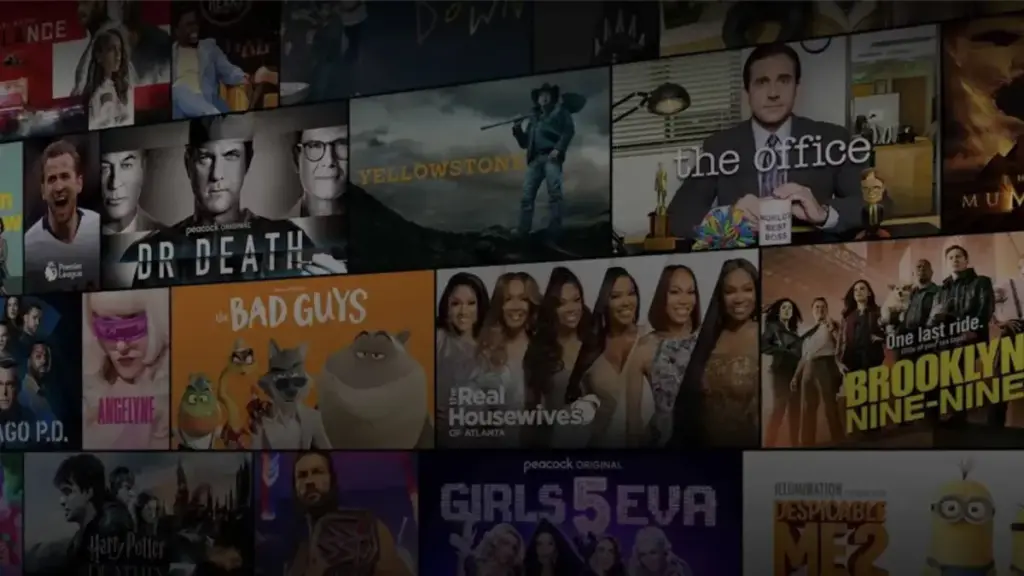
In an era where streaming platforms are no longer just competing for subscribers but for the very seconds of a consumer’s attention span, NBCUniversal has announced a fundamental shift in how its flagship service, Peacock, will operate on mobile devices. On November 11, the company unveiled its most significant mobile overhaul to date, signaling a strategic move to transform the app from a traditional video-on-demand repository into a multi-faceted entertainment ecosystem designed to mirror the consumption habits of the social media age.
The redesign is not merely a cosmetic facelift but a structural reimagining of the user interface. By integrating vertical video feeds, conversational artificial intelligence, and dedicated "Franchise Hubs," Peacock is attempting to solve one of the most persistent problems in the streaming industry: the "paradox of choice" that often leaves users scrolling endlessly through carousels of content without ever hitting play. According to NBCUniversal, these updates have already entered the testing phase, with a rollout and refinement strategy planned to extend through 2027.
A Strategic Pivot Toward Deep Engagement
The philosophy behind this overhaul was articulated by Jim Denney, the Chief Product Officer for Global Streaming at NBCUniversal Media Group. In a statement accompanying the announcement, Denney emphasized that the company’s vision for Peacock extends far beyond the traditional "lean-back" viewing experience.
"Our ambition is for Peacock to be more than a place to watch," Denney explained. "With this new mobile experience, we’re evolving Peacock into an entertainment platform that gives fans more ways to discover, participate, and strengthen their connection to their favorite stories, teams, and franchises, turning viewing into deeper engagement and lasting fandom and loyalty."
This shift highlights a growing realization within the industry: as the "streaming wars" reach a point of saturation, the metric of success is shifting from total subscriber count to "time spent in app." By creating a "sticky" environment where users can play games, listen to podcasts, and interact with communities, Peacock hopes to reduce churn and ensure that its platform remains the primary destination for entertainment, even when a user isn’t ready to commit to a full-length feature film or a 60-minute drama.
The Rise of the Vertical Clips Feed
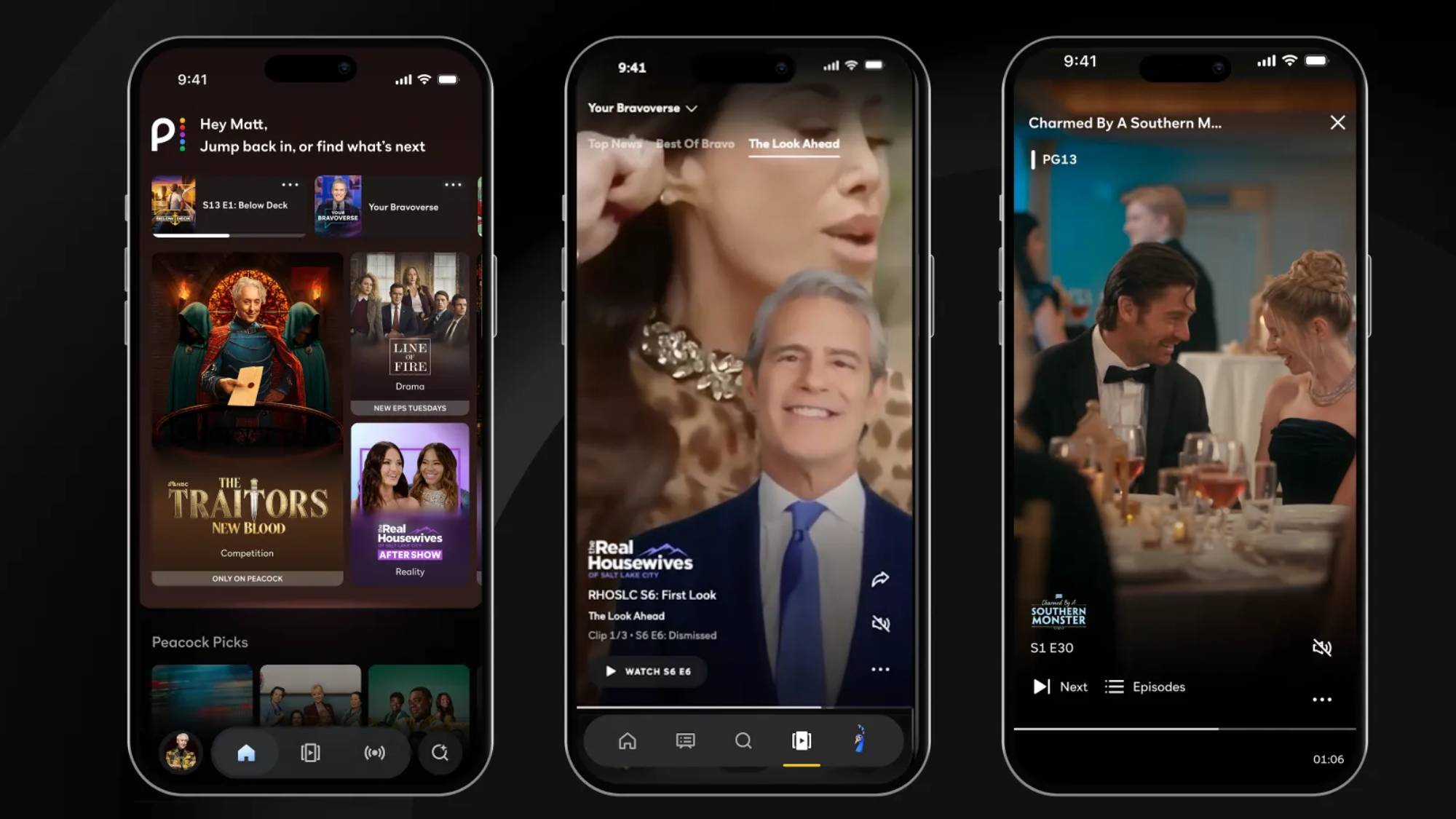
Perhaps the most visible change to the Peacock mobile experience is the introduction of the Clips Feed. This feature utilizes the vertical video format popularized by TikTok and Instagram Reels, a medium that has become the native language of mobile consumption. While streaming has traditionally been a horizontal medium—designed to replicate the cinematic experience of a television—NBCUniversal is acknowledging that mobile usage requires a different approach.
The new Clips Feed exists as a dedicated section within the app, separate from the standard homepage layout. It is designed to act as a discovery engine, serving users short-form snippets of entertainment and sports content. The goal is to provide a "lean-forward" experience where users can quickly sample titles they might have otherwise overlooked. If a clip from a stand-up special or a dramatic highlight from a Premier League match catches a viewer’s eye, the app makes it seamless to jump directly into the full-length content.
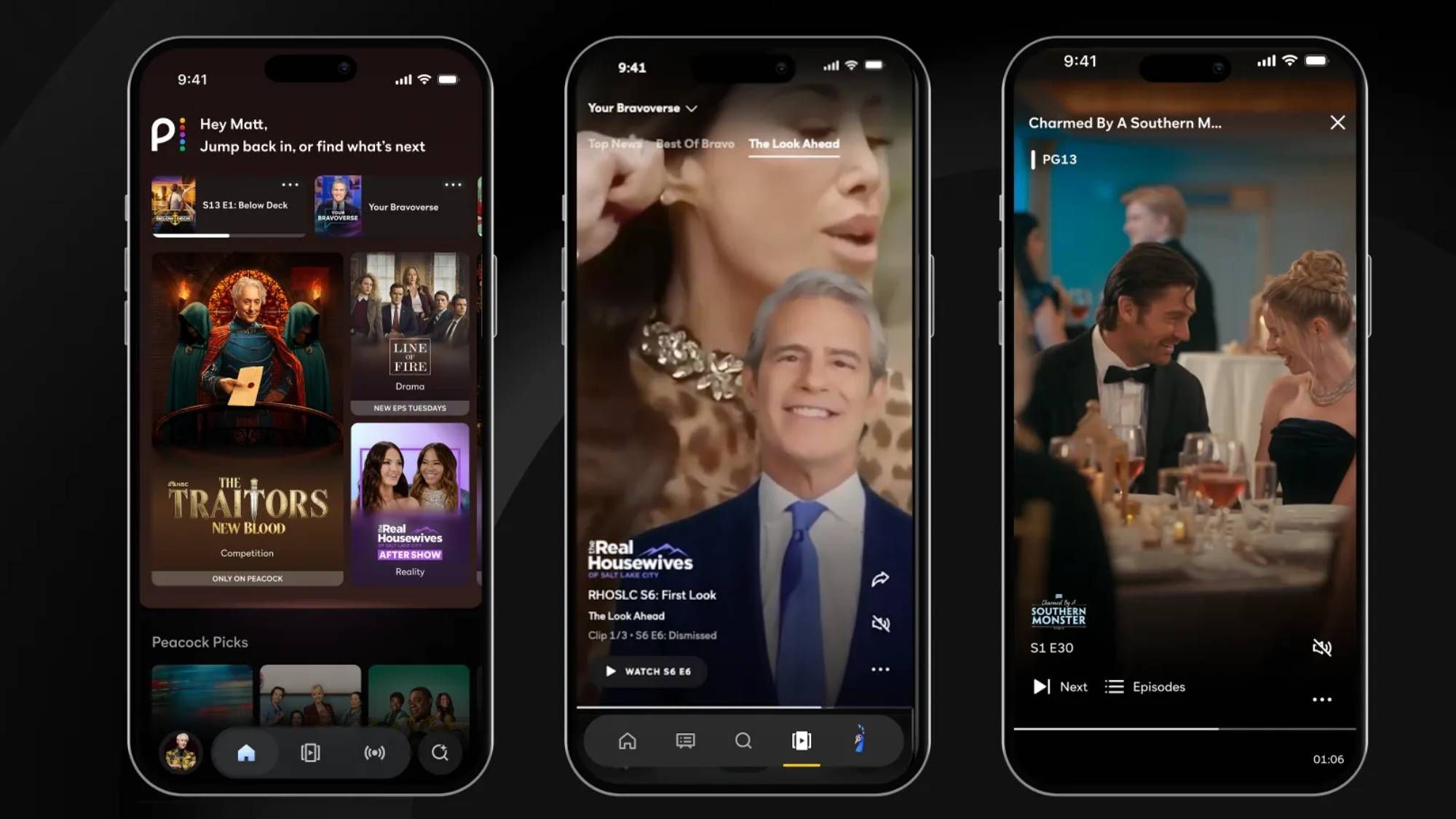
Peacock is not the first to travel this path; Netflix introduced its own version of a short-form feed, "Fast Laughs," several years ago. However, Peacock’s integration appears to be more holistic, aiming to blend sports highlights, news snippets, and entertainment previews into a singular, personalized stream. By adopting this format, Peacock is essentially competing with social media platforms for the "in-between" moments of a user’s day—the five minutes spent waiting for a bus or standing in line—where a full episode of a show might be too long, but a series of 30-second clips is just right.
Franchise Hubs and the Gamification of Fandom
Beyond short-form video, the redesign introduces "Franchise Hubs," a feature designed to cater to the modern "super-fan." These hubs are dedicated environments centered around NBCUniversal’s most popular intellectual properties, such as The Traitors, Love Island USA, Minions, and various sports franchises.
The Franchise Hubs are intended to be a one-stop shop for everything related to a specific brand. Rather than just listing episodes of a show, these sections will pack in interactive games, live moments, relevant podcasts, and behind-the-scenes content. For instance, a fan of The Traitors might visit the hub to play a strategy-based mini-game, listen to a post-episode recap podcast, or watch "live" events that coincide with the broadcast schedule.
This move toward gamification and community-building is a direct attempt to foster "lasting fandom." By giving users more to do than just watch, Peacock is building a "walled garden" around its biggest hits. This strategy leverages NBCUniversal’s vast library of IP, ensuring that even after a viewer finishes the latest season of their favorite show, they have a reason to stay within the app to engage with the brand in other ways.
AI-Powered Discovery: Moving Beyond the Search Bar
The third pillar of the Peacock overhaul is the introduction of conversational AI search. As the library of content on streaming services continues to grow into the tens of thousands of titles, the traditional search bar—which requires a user to know exactly what they are looking for—has become increasingly inadequate.
Peacock’s new AI tool is designed to mimic a natural conversation. Instead of typing in a specific movie title, a user can search based on "vibes," moods, or complex themes. For example, a user might ask for "a 90s-style thriller that isn’t too scary" or "something to watch with a teenager who likes sports and comedy." The AI then provides a curated list of recommendations, which the user can refine through further dialogue.
This integration of AI is part of a broader trend across the tech industry, but in the context of streaming, it addresses a specific pain point: decision fatigue. By acting as a digital concierge, the conversational AI aims to reduce the time spent "browsing" and increase the time spent "watching," thereby improving the overall perceived value of the subscription.
Helping or Hindering Discovery?
While NBCUniversal frames these updates as a win for user experience, the shift toward social-media-style interfaces has sparked a debate about the nature of content discovery and the psychological impact of app design.
The core of the debate lies in the difference between "active discovery" and "passive consumption." Proponents of the new features argue that tools like the Clips Feed and AI search empower users by making it easier to find content that resonates with them. In an era of infinite choice, these tools act as filters, helping users navigate the noise.
However, critics—including many long-time observers of the streaming industry—express concern that these features are less about helping the user and more about increasing screen time. The "TikTok-ification" of streaming apps brings with it the risk of "doom-scrolling," a behavior where users find themselves mindlessly flipping through content without ever actually engaging with a story in a meaningful way.
There is also the question of whether these features truly aid in the discovery of diverse content or if they simply reinforce an algorithmic echo chamber. If a user is fed a constant stream of clips based on what they have already watched, they may be less likely to stumble upon a niche documentary or an international film that falls outside their established preferences.
Furthermore, some users have expressed a desire for streaming apps to remain simple utilities. In the same way that Spotify’s introduction of vertical video feeds and social features was met with a mix of praise and frustration from those who just wanted to play music, Peacock’s transformation into an "entertainment platform" may alienate viewers who prefer a clean, focused interface dedicated solely to long-form video.
The Long Road to 2027
The rollout of these features is not an overnight event. NBCUniversal has indicated that the current changes are part of a multi-year roadmap that will continue to evolve through 2027. This phased approach suggests that the company is taking a data-driven path, testing how users interact with the new tools and adjusting the interface based on real-world behavior.
As Peacock continues to refine its mobile experience, the industry will be watching closely. If Peacock succeeds in significantly boosting engagement through vertical video and AI, it is almost certain that other major players like Disney+, Max, and Paramount+ will follow suit, potentially changing the face of mobile streaming forever.
For now, the redesign stands as a bold bet on the future of digital media. NBCUniversal is betting that the future of streaming isn’t just about what we watch, but how we participate, interact, and lose ourselves in the digital world. Whether this leads to a more enriched fan experience or simply more time spent staring at a screen remains to be seen, but one thing is clear: the era of the "simple" streaming app is coming to an end.
 Mobile Device Management (MDM) & Mobile OS
Xiaomi Unveils the 18 Pro and 18 Pro Max: A Dual-Screen Powerhouse Aimed at the Global Ultra-Premium Market
Following a notable absence in the international flagship market last year, Xiaomi...
 Mobile Device Management (MDM) & Mobile OS
Huawei Expands Mobile Ecosystem with Launch of OSTA Sub-Brand and the Wide-Screen O1 Pro
The global smartphone market, often characterized by a relentless drive toward taller...
 Mobile Device Management (MDM) & Mobile OS
Google Quietly Links Phone Numbers to All Secondary Android Accounts, Raising Significant Privacy Concerns
Android users have recently discovered a significant shift in how Google manages...







