
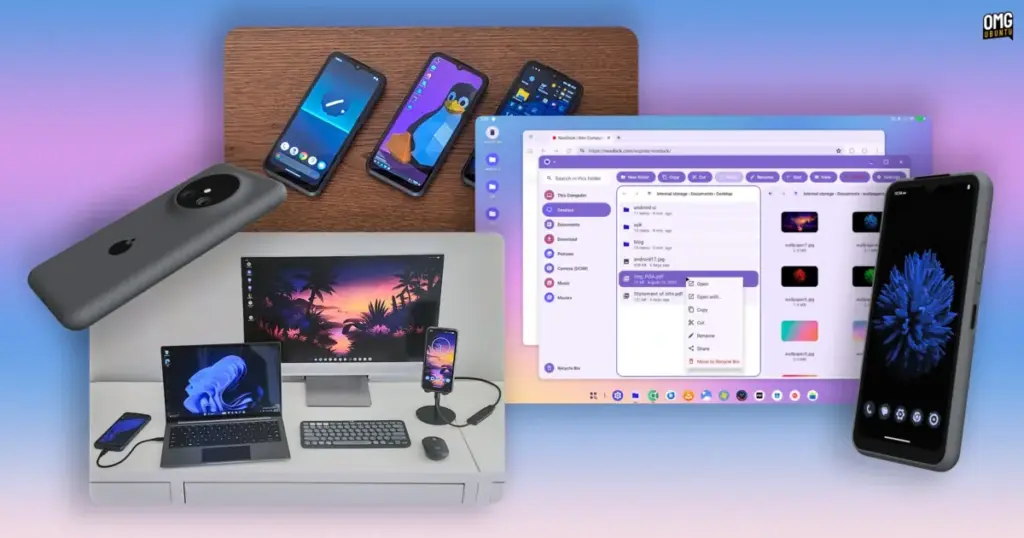
The viability of executing multiple desktop environments from a handheld terminal depends heavily on the underlying hardware foundation, and the NexPhone is equipped with internal specifications tailored for intensive multitasking. The device is powered by an eight-core Qualcomm Kryo 670 central processing unit paired with an Adreno 643 graphics processing unit. While positioned as a mid-range processing platform, this silicon configuration is designed to handle everyday mobile interactions alongside the demanding compute cycles required by virtualized or containerized desktop platforms like Debian and Windows 11 on ARM.
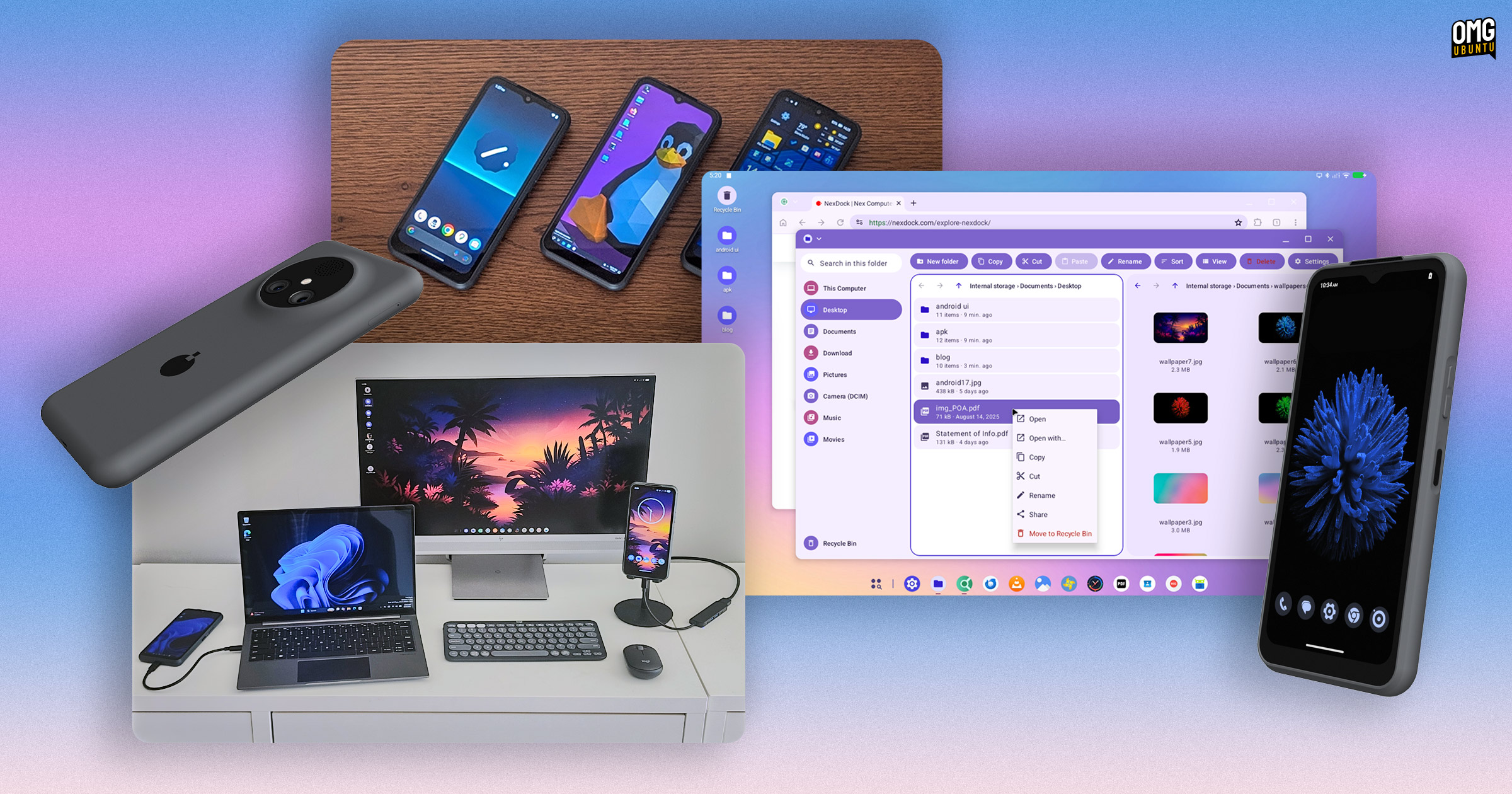
To support memory-heavy computing workflows, the NexPhone incorporates 12 gigabytes of random-access memory alongside 256 gigabytes of onboard internal flash storage. The substantial memory allocation is a deliberate design necessity, ensuring that users can keep baseline mobile communications active in the background while allocating sufficient memory resources to desktop software suites, browser instances, or development tools operating within Debian or Windows. Visuals are handled by a 6.5-inch display supporting a 120 Hz refresh rate, providing smooth motion handling and responsive touch input for standard handheld operation. For photography and everyday media capture, the handset includes a primary 64-megapixel rear camera utilizing a Sony IMX787 sensor.
The key to unlocking the device’s convergence capabilities lies in its physical connectivity. The NexPhone incorporates a fully featured USB Type-C port engineered to carry power, high-speed data, and video signals simultaneously. When connected to an external monitor, mouse, and keyboard, the phone switches from its traditional mobile interface to a full-fledged workstation setup. To ensure that users can take immediate advantage of this functionality without having to hunt for third-party accessories, Nex Computer is bundling a dedicated multi-function USB Type-C hub inside the retail box, giving users out-of-the-box access to the necessary ports and interfaces to set up a complete desktop workstation.
Alongside the updated delivery schedule and software roadmap, the economic realities of global electronics manufacturing have introduced changes to the NexPhone’s commercial pricing. Nex Computer has announced an adjustment to the device’s entry-level pre-order structure, raising the price from an initial figure of $549 to $599 for new customers. The company explained that this upward revision was compelled by escalating memory supply costs across the supply chain, which directly affected the overall bill of materials required to assemble each handset.
 Linux & Open Source Solutions
Canonical Publishes Official Ubuntu Desktop Images for RISC-V Hardware Ahead of Ubuntu 26.10
Installing an official Ubuntu desktop operating system on 64-bit RISC-V hardware is...
 Linux & Open Source Solutions
Era Arrives on Flathub as a New Rust-Powered Calendar Application for the GNOME Desktop
A new open-source calendaring client has entered the Linux application ecosystem. Named...
 Linux & Open Source Solutions
Hylki Brings Modern Rust Engineering and Deep Customization to the GNOME Desktop
For years, the Linux desktop has maintained a complicated relationship with the...







