
David Smith, the chair of the South Tees Development Corporation (STDC), reflected on the importance of this utility infrastructure from a long-term investment perspective. With nearly two decades of experience in the sector, Smith noted that the availability of power is the primary factor that turns a development ambition into a tangible reality. For international investors, the confidence that the necessary energy infrastructure will be operational by the time their facilities are built is the deciding factor in where they choose to put their capital.
Smith described the agreement with National Grid as a "real boost" to the region’s ability to attract future investment. He noted that it aligns perfectly with the development corporation’s long-term goals: reclaiming derelict land for productive use, providing high-quality opportunities for local residents, and ensuring that the regeneration of the area provides economic benefits for decades to come.
In addition to the data center, the substation will support a significant battery storage system. As the UK moves toward a more decentralized and renewable-heavy energy grid, large-scale battery storage is becoming essential for managing the fluctuations in power supply and demand. By co-locating battery storage with a massive substation and a high-demand data center, the Teesside site is effectively creating a self-sustaining ecosystem of energy production, storage, and consumption.
The timeline for the project remains ambitious. With the land deal now closed and planning permission already in hand, the focus shifts to the construction phase. The 2029 target for the initial 1,440 MVA capacity to come online is a critical deadline, as it coincides with the expected surge in demand for AI processing power and the UK’s broader net-zero targets.
As the construction of the substation begins, it serves as a physical reminder of the changing nature of British industry. The site that once exported steel to the world is now preparing to export data and provide the computational backbone for the next industrial revolution. For the people of Teesside, the project represents more than just a piece of electrical infrastructure; it is a promise of sustained economic relevance in a digital age, anchored by the largest power connection in the country.
 Helpdesk & IT Service Management (ITSM)
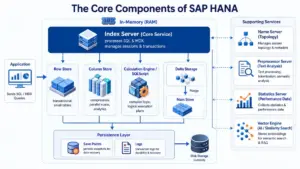
Decoding the Architecture of SAP HANA: A Deep Dive Into the Engine of Modern Enterprise Data
In the rapidly evolving landscape of enterprise resource planning and data management,...
 Helpdesk & IT Service Management (ITSM)
Alibaba Cloud Expands European Footprint with New Amsterdam Data Centers and Advanced AI Infrastructure
Alibaba Cloud, the digital technology and intelligence backbone of Alibaba Group, has...
 Helpdesk & IT Service Management (ITSM)
Passive Boardroom Leadership and Funding Gaps Leaving Organizations Vulnerable to AI-Driven Cyber Threats, ISACA Warns
The global cybersecurity landscape is currently undergoing a period of unprecedented volatility,...