The integration of AI isn’t just about search; it’s also about valuation. Companies are increasingly using machine learning models to predict the future value of a domain based on historical sales data, search volume, and linguistic patterns. This technological leap was a major point of interest for those visiting the booths of companies like Atom (formerly Squadhelp), which has been at the forefront of combining human creativity with algorithmic precision to curate brandable marketplaces.
Data Analytics and the Secondary Market
Another cornerstone of the NamesCon discussions involved the secondary market, specifically the mechanics of expired domains. ExpiredDomains.com, a staple resource for professional investors, was a focal point for those looking to understand the current flow of inventory. The secondary market remains a vital organ of the domain ecosystem, providing a constant stream of "pre-aged" domains that often carry existing SEO value or inherent traffic.
The updates shared at the conference regarding expired domain analytics suggest a move toward greater transparency and more granular data. Investors are no longer satisfied with just knowing when a domain expires; they want deep-dive metrics on backlink profiles, historical usage, and traffic patterns. The ability to filter through thousands of daily expirations using advanced analytics is what separates the modern professional domainer from the hobbyist.
The discussions in Miami revealed that the tools used to track these domains are becoming more sophisticated, offering real-time updates and more robust filtering options. This level of detail is crucial as the volume of registered domains continues to grow, making it harder to find "gems" without the assistance of high-level data aggregation.
Innovations in TLD Pre-Orders and Registration
Beyond the secondary market, the primary market for Top-Level Domains (TLDs) continues to expand. One of the technical highlights mentioned during the exhibit floor interviews was the introduction of a new TLD pre-order system. This innovation, discussed by companies like ShareShift, aims to streamline the process for both registrars and end-users when new extensions are launched.
The "New gTLD" program, initiated by ICANN over a decade ago, introduced hundreds of new extensions to the internet, from .app to .xyz. As more extensions are proposed and released, the infrastructure required to handle the initial "land rush" and "sunrise" periods becomes increasingly complex. The new systems showcased at NamesCon are designed to manage this complexity, ensuring a more equitable and efficient distribution of names during high-demand launch phases.
These updates are particularly relevant for registrars like GoDaddy, whose massive customer base relies on seamless registration experiences. By improving the pre-order and "drop-catching" infrastructure, these companies are making it easier for users to secure their preferred digital identities the moment they become available.
 Web Hosting & Domain Management
ICANN Confirms 1,616 Applications for 2026 New gTLD Round as Fees Top $350 Million
The Internet Corporation for Assigned Names and Numbers (ICANN) has officially confirmed...
 Web Hosting & Domain Management
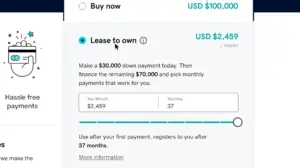
Afternic Introduces Down Payment Option for Lease-to-Own Domain Sales to Enhance Seller Security
In a significant update to its secondary market capabilities, Afternic has announced...
 Web Hosting & Domain Management
Man tries to reverse hijack lotto domain name
The dispute was initiated by Rikshiram Aghria, an Indian national who sought...