
Looking ahead
As Microsoft moves toward the 2026 deadline for full integration into the EU Data Boundary, the transition for existing customers is designed to be as seamless as possible. Organizations that are already utilizing Claude models within Copilot will not be required to take any manual action. Once the regional processing capabilities are fully online, the data processing for these models will automatically shift into the EU Data Boundary. This "zero-touch" transition ensures that organizations can continue their AI initiatives without interruption while automatically gaining the benefits of enhanced regional data residency.
For organizations that have not yet enabled Claude models, Microsoft provides a clear path for activation. Admins can choose to enable these models at any time through the Microsoft 365 admin center. In alignment with European privacy preferences and regulatory expectations, the setting for Claude models is disabled by default for customers in the EU and EFTA. This ensures that organizations have the opportunity to review their internal compliance requirements before opting into the service. Admins have the flexibility to enable the models for the entire organization or to conduct limited pilots by granting access to selected users and groups.
Microsoft has committed to providing ongoing updates and detailed technical documentation as the availability date approaches. Detailed resources, such as information on Claude models in Microsoft Online Services available through Microsoft Learn, are already being updated to help organizations prepare for this shift. This transparency is intended to help IT departments and legal teams conduct the necessary due diligence well in advance of the 2026 milestone.
The broader trajectory of AI technology suggests that the "best" model for any given task is a moving target. As foundation models evolve and new capabilities are discovered, the ability to pivot between different AI architectures becomes a strategic advantage. Microsoft’s approach with Copilot is to provide a stable, governed platform that can absorb these technological shifts without requiring organizations to rebuild their security or administrative frameworks from scratch.
Extending the EU Data Boundary to include Claude models represents the next logical step in this journey. For European organizations, it signifies a future where the most advanced AI tools are no longer at odds with the highest standards of data residency. It ensures that as the AI landscape continues to change, the data commitments that organizations trust will remain a constant, providing a secure foundation for the next generation of digital work across the continent. Microsoft’s focus remains on delivering the latest AI innovations within a framework that respects the unique regulatory and cultural landscape of Europe, ensuring that the benefits of the AI era are accessible to all within a secure and compliant environment.
 Productivity Software & Office Suites
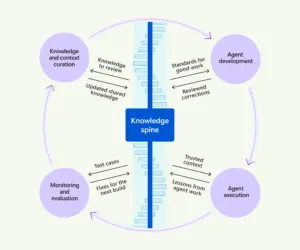
The Rise of the Agentic Operating Model: How ‘Frontier Firms’ Are Using Knowledge Spines to Outpace Competitors
As the initial hype surrounding generative artificial intelligence matures into a demand...
 Productivity Software & Office Suites
Microsoft Advances AI for Finance with Specialized Copilot Skills and Enhanced Traceability in Excel
The history of computing has long followed a predictable trajectory: new technology...
 Productivity Software & Office Suites
Microsoft Unveils Microsoft 365 G7: A New Frontier for AI-Driven Productivity and Governance in the Public Sector
In a significant move to modernize the digital infrastructure of the United...