
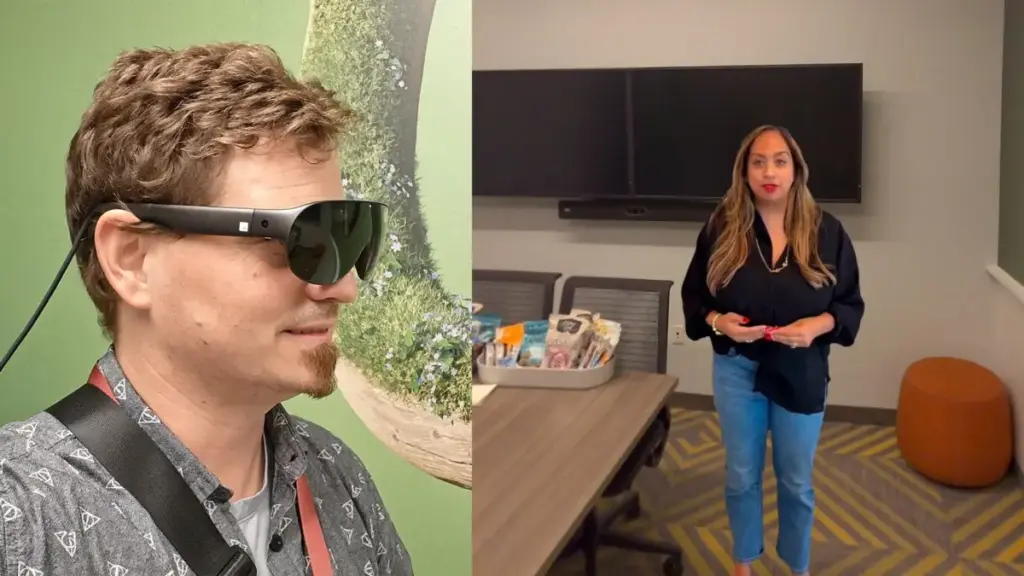
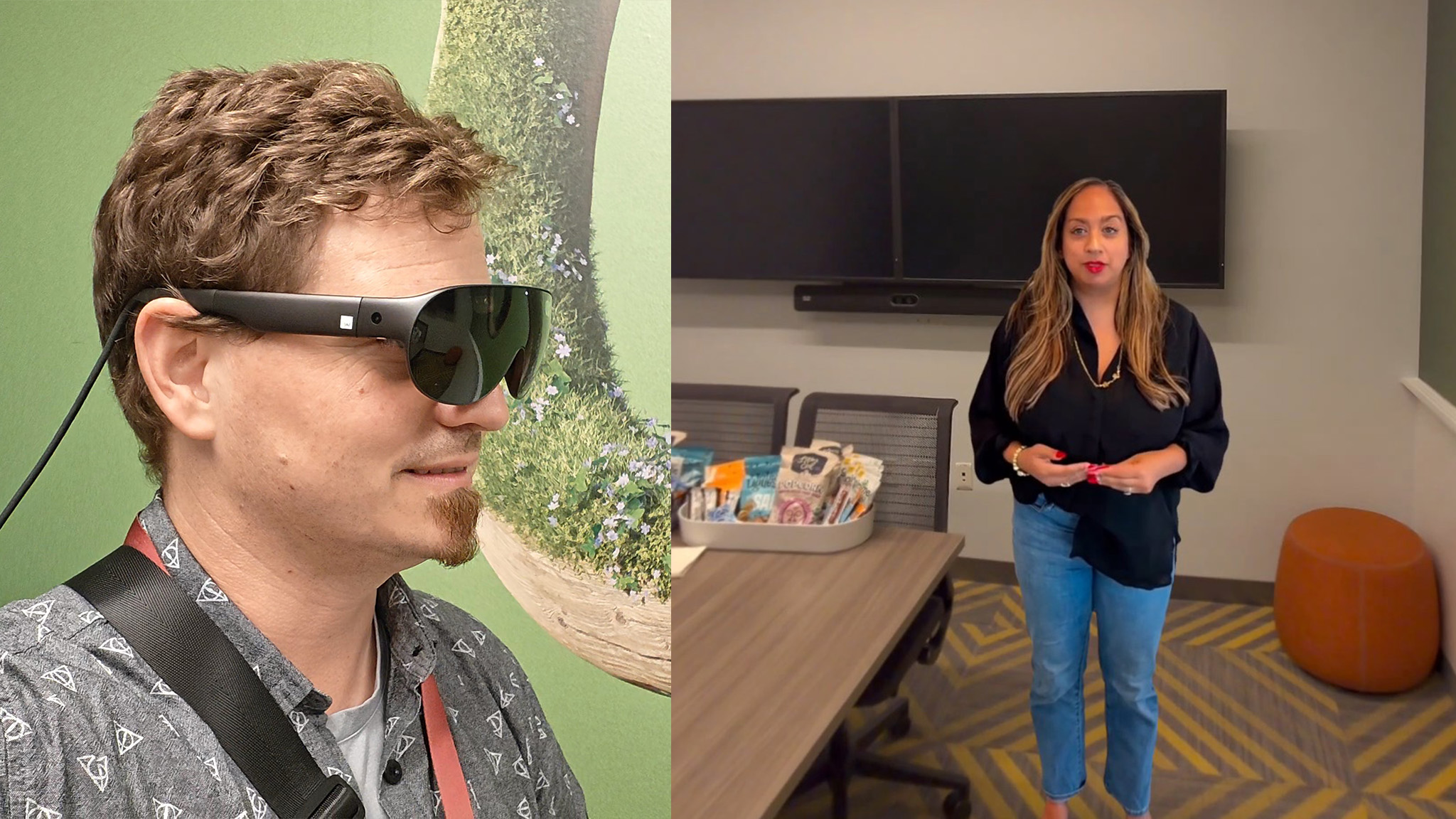
A key technical achievement of the Hologram system is its independence from specialized hardware like full-body tracking suits or external sensors. Meta AI is trained to understand and predict human movement patterns based on the individual’s baseline mannerisms. This allows the Hologram to gesture, shift its weight, and move its hands in a way that feels authentic to the person it represents, all driven by the audio input and the AI’s understanding of human behavior. In a mixed-reality setting, the Hologram is spatially anchored; a user can walk around the digital person to see them from different angles, and the Hologram will maintain its position in the room while naturally turning to face the user.
The flexibility of the system extends beyond just visual representation. Meta has designed these Holograms to be a core part of its broader ecosystem. By introducing a dedicated API, Meta is opening the door for third-party developers to integrate these high-fidelity avatars into their own applications. This suggests a future where a user’s "Hologram" becomes a universal digital identity, appearing in everything from professional meeting software and social spaces to immersive gaming environments. The transition from the research-focused "codec avatars" to the consumer-facing "Holograms" brand indicates that Meta believes the technology is finally ready for the mass market.
The implications for remote work and long-distance communication are profound. By removing the barriers of a flat screen and providing a sense of "co-presence," Meta is betting that Holograms will make digital interactions feel less like a compromise and more like a genuine substitute for being in the same room. The technology addresses the fatigue often associated with traditional video calls by providing a more naturalistic and engaging visual interface.
As Meta moves toward a final release in the coming months, the focus will likely shift to refining the server-side processing speeds and ensuring that the Holograms can operate smoothly across varying internet connection strengths. For now, the demonstration at Meta Connect 2026 serves as a powerful proof of concept. It represents the culmination of years of research into computer vision, generative AI, and spatial computing. While the "Star Wars" comparison remains a popular touchstone, Meta’s version of the hologram is distinctly modern: it is sharp, lifelike, and, most importantly, accessible to anyone with a smartphone. The fuzzy, flickering blue projections of sci-fi are being replaced by high-definition digital twins, fundamentally changing the landscape of human connection in the digital age.
 Mobile Device Management (MDM) & Mobile OS
Google Prepared to Expand Wearable Lineup with New Fitbit Edge Tracker
The landscape of the wearable technology market is undergoing a significant shift...
 Mobile Device Management (MDM) & Mobile OS
Xreal One Pro Receives Significant Price Cut During Prime Big Deal Days as the Market for Wearable Displays Expands
The landscape of personal entertainment and mobile productivity is undergoing a quiet...
 Mobile Device Management (MDM) & Mobile OS
Nimble SharePower Redefines Portable Charging by Splitting the Difference for Modern Travelers
In the modern era of high-performance smartphones and power-hungry mobile applications, the...







