
These latest changes are part of a much larger, ongoing trajectory for Google’s smart home vision. The road to a truly intelligent home has been long, and the integration of Gemini represents the latest chapter in that evolution. Earlier this year, Google made significant strides in improving the performance of its AI, claiming a 40% increase in response times for certain smart home interactions. That speed was a necessary foundation for the more complex contextual understanding the company is now trying to layer on top.
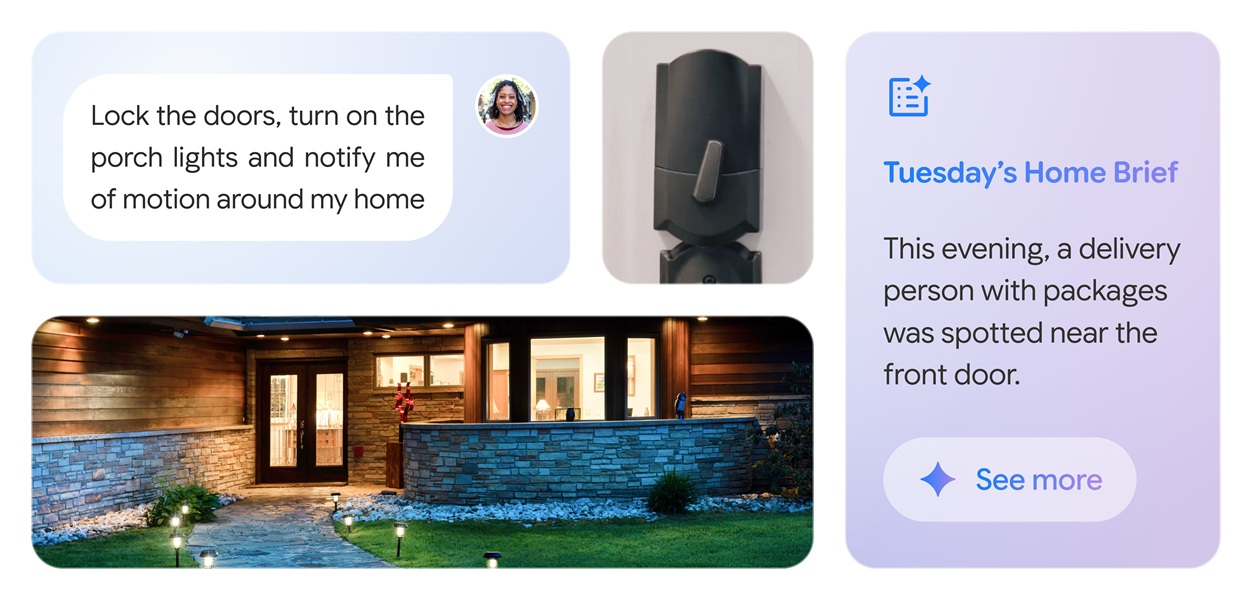
In April, Google highlighted Gemini’s ability to move away from rigid, exact commands. The goal has been to allow users to speak to their homes using "casual phrases and context," much as they would to another person. For instance, instead of saying, "Hey Google, set the living room lights to 20%," a user might eventually be able to say, "It’s a bit too bright in here," and have the AI understand the intent based on the time of day and current light levels. While the October update focuses more on "under-the-hood" stability and bug fixes, these are the essential prerequisites for that more ambitious vision of a conversational home.
The extensive updates for smart home cameras, also detailed in the late October patch, further emphasize Google’s commitment to security and monitoring. By refining how cameras interact with the broader Home ecosystem and ensuring that Gemini can accurately report on what those cameras see, Google is attempting to turn the smart home from a collection of connected gadgets into a cohesive, sentient environment.
As these updates roll out to the public, they serve as a reminder of the complexities inherent in the transition to AI-driven automation. While the "Sorry, I didn’t understand" errors and volume glitches may seem like minor inconveniences, they are the friction points that define the user experience. By systematically eliminating these bugs while simultaneously expanding the technical capabilities of the Matter standard and energy monitoring, Google is positioning the Home app not just as a remote control for lights, but as a comprehensive dashboard for the modern, efficient, and intelligent household.
Users should expect these updates to appear over the coming days as Google typically employs a phased rollout for its software patches. For those in the Public Preview or early access programs for Gemini, these fixes represent the direct result of user feedback and the ongoing refinement of the next generation of Google’s ambient computing strategy.
 Mobile Device Management (MDM) & Mobile OS
Google Expands Certified Refurbished Program to Include Pixel 9 Series with Significant Price Cuts
Google has officially expanded its hardware offerings in the United States by...
 Mobile Device Management (MDM) & Mobile OS
Samsung Galaxy Buds 4 Pro See Significant Price Cut in Early Black Friday Promotion as Sales Reach New Milestones
In the modern mobile landscape, the purchase of a flagship smartphone is...
 Mobile Device Management (MDM) & Mobile OS
Community-Led Discovery Unearths Workaround to Restore Legacy Google Assistant Experience on Android Devices
The landscape of mobile artificial intelligence shifted significantly last month when Google...