
Beyond simple generation, LimeWire includes advanced features such as samplers and quality adjustment settings. These allow users to control the level of detail and the computational intensity of the generation process. Furthermore, the platform is not standing still; LimeWire is actively developing its own proprietary AI model. This move toward a first-party engine suggests an ambition to move beyond being a mere aggregator of existing technologies and becoming a primary innovator in the generative AI space. This upcoming model is expected to further expand the creative horizons for users, offering unique capabilities that may not be available on competing platforms.
Bridging AI and Blockchain Through Automated NFT Minting
One of the most technically significant features of LimeWire is its integration with blockchain technology, which happens almost invisibly in the background. Once a creator is satisfied with an image or a piece of content, the platform offers the option to publish it directly. Upon publication, LimeWire automates the process of minting the creation as a Non-Fungible Token (NFT). By utilizing the Polygon and Algorand blockchains—both known for their efficiency and low environmental impact—LimeWire provides each piece of content with a unique digital signature.
This automated minting process is a game-changer for creators who may be interested in the benefits of Web3 but are intimidated by the technical complexities of crypto wallets and gas fees. By securing the content on a decentralized ledger, LimeWire ensures the authenticity and ownership of the work. This digital provenance is crucial in an age where AI-generated content can be easily replicated.
The choice of distribution—public or subscriber-only—further dictates how these NFTs interact with the market. Publicly released content becomes discoverable by the entire LimeWire community, fostering engagement and allowing for immediate trading. Conversely, exclusive content shared only with premium subscribers creates a sense of scarcity and intimacy, often driving higher value for the digital assets. This dual-pathway approach empowers creators to strategize their content releases in a way that best suits their personal brand and financial goals.
Redefining Revenue in the Creator Economy
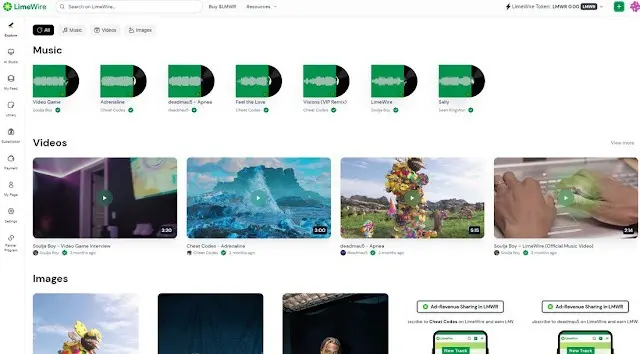
The monetization model of LimeWire is perhaps its most aggressive play to attract talent away from established social media giants. In addition to the sale and trading of NFTs, LimeWire has introduced a robust ad revenue sharing program. This model is particularly beneficial for designers and digital artists who produce high volumes of content. When a creator publishes work on LimeWire, they are eligible to receive up to 70% of all ad revenue generated from other users viewing their images, music, or videos on the platform.
This revenue-sharing percentage is significantly higher than that offered by many traditional content platforms, making LimeWire an attractive secondary—or even primary—income stream for digital creators. It encourages experimentation; a user can spend time refining AI prompts and sharing the results, knowing that even if the work isn’t sold as an NFT, it can still generate passive income through views.
 Tech News & Digital Trends
The Artificial Intelligence Revolution in Marketing: 11 Essential Tools Powering the Next Generation of Data Strategy
The global marketing landscape is currently undergoing a fundamental transformation, driven by...
 Tech News & Digital Trends
From File-Sharing Pioneer to Generative Powerhouse: The Strategic Evolution of LimeWire into an AI Content Ecosystem
The digital landscape is witnessing a remarkable transformation of one of the...
 Tech News & Digital Trends
The Intelligent Revolution: Evaluating the Top 10 Artificial Intelligence Tools Shaping Industry Standards in 2023
The landscape of modern business and technology is currently undergoing a seismic...







