
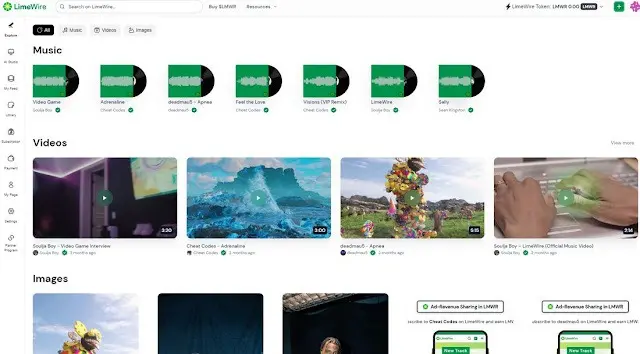
The digital landscape is witnessing a remarkable transformation of one of the most recognizable names from the early internet era. LimeWire, once a brand synonymous with the peer-to-peer file-sharing revolution of the early 2000s, has successfully navigated a complete structural and conceptual rebirth. Moving far beyond its origins, the platform has re-emerged as a sophisticated hub for generative artificial intelligence, offering a comprehensive suite of tools designed to empower a new generation of digital creators. In an era where AI technology is rapidly redefining the boundaries of art and media, LimeWire is positioning itself not just as a tool for creation, but as a holistic ecosystem for the publication, monetization, and ownership of AI-generated content.
The new LimeWire is an entirely different entity from the software that defined the Napster era. It has been reimagined as a cutting-edge AI content publishing platform, bridging the gap between advanced machine learning models and the burgeoning creator economy. By integrating blockchain technology with generative AI, LimeWire allows users to do more than simply generate images; it provides a framework where digital assets carry inherent value, ownership is verifiable, and creators can build sustainable revenue streams from their work.
The Emergence of the LimeWire AI Studio
The centerpiece of this transformation is the LimeWire AI Studio. This creative hub is designed to be an inclusive space where the barriers to high-level digital artistry are significantly lowered. The platform invites users to register and immediately begin crafting original content, which is then showcased within the LimeWire Studio environment. This transition has already attracted significant attention from the traditional creative industries, with high-profile artists and musicians such as Deadmau5, Soulja Boy, and Sean Kingston utilizing the platform to explore new frontiers in digital media. These artists have leveraged LimeWire to publish content in various formats, including NFT-backed music, videos, and imagery, signaling a shift in how established talent views the intersection of AI and fan engagement.
Within the LimeWire Studio, the philosophy of "content as an asset" is central. Every piece of media generated on the platform is treated as a unique, ownable, and tradable digital asset. This is achieved through a seamless integration with blockchain networks, ensuring that when a creator produces a piece of AI art, they hold a definitive claim to its provenance. Fans and followers are not merely passive observers in this ecosystem; they can subscribe to a creator’s page to follow their artistic journey and acquire digital collectibles. These collectibles hold tradeable value within the LimeWire community, creating a secondary market where creators continue to benefit from their work. Notably, LimeWire has implemented a royalty system where creators earn a 2.5% fee every time their content is traded on the platform’s marketplace, providing long-term incentives for quality production.
Flexibility is a cornerstone of the platform’s distribution model. LimeWire understands that different creators have different goals, and thus offers multiple publication pathways. A creator can choose to release their work to the public for maximum exposure or opt for a premium subscription model. The latter allows artists to gate their most specialized or high-value content, offering exclusive access to a dedicated inner circle of subscribers. This dual approach mimics the evolving trends in social media and content platforms, where "freemium" models allow for both broad discovery and deep monetization.
Advancements in AI Image Generation Tools
At its current stage, LimeWire’s primary focus lies in the realm of AI image generation. The platform provides a sophisticated toolkit that caters to both novices and experienced digital artists. Rather than relying on a single proprietary algorithm, LimeWire has opted for a versatile approach by supporting several of the industry’s most advanced generative models. Users have access to Stable Diffusion 2.1, Stable Diffusion XL, and OpenAI’s DALL-E 2. This variety allows creators to choose the specific "brain" behind their art, depending on the aesthetic or complexity they wish to achieve.
The user interface of the image generation tool is designed to be intuitive yet powerful. Much like other leading generative AI services, the process begins with a prompt. These can range from simple descriptive phrases to highly intricate sets of instructions that detail lighting, texture, and composition. What distinguishes LimeWire is the fluidity with which users can navigate these complex technologies. The platform allows for effortless switching between different AI models and artistic styles. Whether a creator is looking for a cinematic finish, digital art aesthetics, pixel art, anime-inspired visuals, or the nostalgic look of analog film, the tools are readily available to pivot between these identities.
Furthermore, the platform offers technical "samplers" and fine-tuning options. These features allow users to adjust the quality and level of detail in their creations, providing a layer of control that goes beyond basic prompting. To assist those who may be new to the medium, LimeWire includes prompt guidance and customization options that help bridge the gap between a creative concept and a finished visual product.
Looking toward the future, LimeWire is not content with simply hosting third-party models. The company is actively developing its own proprietary AI model. This move signals a commitment to long-term innovation and suggests that LimeWire aims to offer unique capabilities that cannot be found elsewhere in the market. By controlling its own model, LimeWire will be able to more tightly integrate its features with the specific needs of its user base, potentially offering more efficient generation or specialized styles tailored to the platform’s ecosystem.
Strategic Expansion into Music and Video
While image generation is the current flagship service, LimeWire has outlined an ambitious roadmap that seeks to encompass the full spectrum of multimedia creation. The platform plans to introduce AI-powered music and video generation tools in the near future. This expansion is particularly resonant given the LimeWire brand’s historical connection to the music industry. By moving into AI music, LimeWire is coming full circle, transitioning from a platform that once disrupted the music industry through file sharing to one that empowers musicians through generative technology and blockchain-backed ownership.
This strategic expansion is expected to offer creators even more avenues for expression. AI music tools could allow artists to generate backing tracks, experiment with new compositions, or create entirely new soundscapes with the assistance of machine learning. Similarly, the introduction of video generation tools will enable creators to produce motion content that complements their visual and auditory outputs. This multi-modal approach positions LimeWire Studio as a comprehensive creative suite, potentially serving as a one-stop shop for digital creators who want to produce diverse content portfolios.
Automated NFT Minting and Blockchain Integration
One of the most innovative features of the LimeWire ecosystem is the automation of the minting process. Once a creator is satisfied with their AI-generated image, the platform offers the option to publish the work. Upon publication, LimeWire automatically mints the creation as a Non-Fungible Token (NFT). To ensure efficiency and lower the barrier to entry, the platform utilizes the Polygon and Algorand blockchains. Both networks are known for their high transaction speeds and significantly lower environmental impact and costs compared to the Ethereum mainnet.
This automated minting process serves a vital function: it imbues the artwork with a unique digital signature. In the decentralized realm, this signature is the definitive proof of authenticity and ownership. It transforms a digital file into a verifiable asset. Creators maintain full control over the accessibility of these NFTs. If a post is made public, it enters the global LimeWire discovery feed where any user can view, interact with, and trade the associated NFT. This fosters a community-driven market where popularity can translate directly into liquidity.
Conversely, for creators who prefer to build a more exclusive community, the platform allows for "subscriber-only" posts. In this scenario, the content and its associated NFT status remain exclusive to the creator’s premium fans. This functionality is essential for artists who wish to offer "member-only" perks or limited-edition digital goods, creating a sense of scarcity and value that is highly prized in the digital asset space.
Revenue Models and the LMWR Token
LimeWire has introduced a monetization structure that is notably more generous than many traditional social media or content platforms. Beyond the sale of NFTs and subscription fees, creators can earn a share of the ad revenue generated by their content. When a creator publishes work on LimeWire, they are eligible to receive 70% of all ad revenue generated from other users viewing their images, music, or videos on the platform.
This 70/30 split is designed to be highly beneficial for designers and artists. It encourages a high volume of quality content, as creators can experiment with the AI tools and share their results while building a passive income stream. This model shifts the focus from "content as a service" to "content as a partnership" between the platform and the creator.
The financial engine of this ecosystem is the LMWR token, LimeWire’s proprietary cryptocurrency. All revenue earned from content creation—whether from ad shares or other platform activities—is paid out in LMWR tokens on a monthly basis. This integration into the crypto-economy provides creators with several options. They can hold the tokens as an investment in the platform’s growth, or they can trade them on major cryptocurrency exchanges such as Kraken, ByBit, and UniSwap. Additionally, LMWR tokens have utility within the platform itself; they can be used to pay for the "credits" required to use the generative AI tools, creating a circular economy where successful creators can fund their future projects using their earnings.
Accessibility and Subscription Tiers
LimeWire has structured its pricing to remain accessible to hobbyists while providing robust features for professional creators. The platform offers a free entry point, allowing anyone to sign up and receive 10 credits, which is sufficient to generate up to 20 AI images per day. Even on the free tier, users are entitled to a 50% share of the ad revenue generated by their content. However, for those looking to scale their creative output, LimeWire offers several premium tiers:
The "Basic" plan, priced at $9.99 per month, provides 1,000 credits and allows for approximately 2,000 image generations. This tier also grants early access to new AI models as they are released. The "Advanced" plan, at $29 per month, increases the monthly credits to 3,750 (up to 7,500 images) and bumps the ad revenue share to 60%.
For professional-level creators, the "Pro" plan costs $49 per month, offering 5,000 credits (up to 10,000 images) and a 70% ad revenue share. At the top of the scale, the "Pro Plus" plan is available for $99 per month, providing 11,250 credits, which can support up to 22,500 image generations. All premium plans include additional perks such as a "Pro" profile badge, a full history of all creations, faster generation speeds, and an ad-free experience while browsing the platform.
A New Chapter for Digital Creativity
LimeWire’s resurgence represents a broader trend in the technology sector: the democratization of high-end creative tools. By removing the technical and financial barriers traditionally associated with both AI and blockchain, the platform is opening the door for a wider demographic of artists to participate in the digital economy. The transition from a file-sharing service that once challenged the concepts of copyright to a platform that uses blockchain to enforce ownership and ensure creator payment is a poetic evolution.
As LimeWire continues to roll out its music and video generation features, the platform’s potential as a central pillar of the AI creator economy will likely grow. For now, the accessibility of its image generation tools provides a low-risk environment for anyone to begin experimenting with generative art. With a clear focus on monetization and ownership, LimeWire is positioning itself as a vital destination for creators who are ready to embrace the future of AI-driven media.
 Tech News & Digital Trends
The New Frontier of Search: How AI Optimization is Redefining Organic Traffic in 2025
Three weeks ago, a simple experiment fundamentally altered the landscape of digital...
 Tech News & Digital Trends
The 2025 AI Revolution: How Artificial Intelligence is Redefining the Content Creation Landscape
As the digital landscape enters 2025, the barrier between professional-grade production and...
 Tech News & Digital Trends
The Rise of AI Optimization: How Generative Models Are Redefining the Future of Organic Search
Three weeks ago, a digital creator stumbled upon a discovery that is...






