
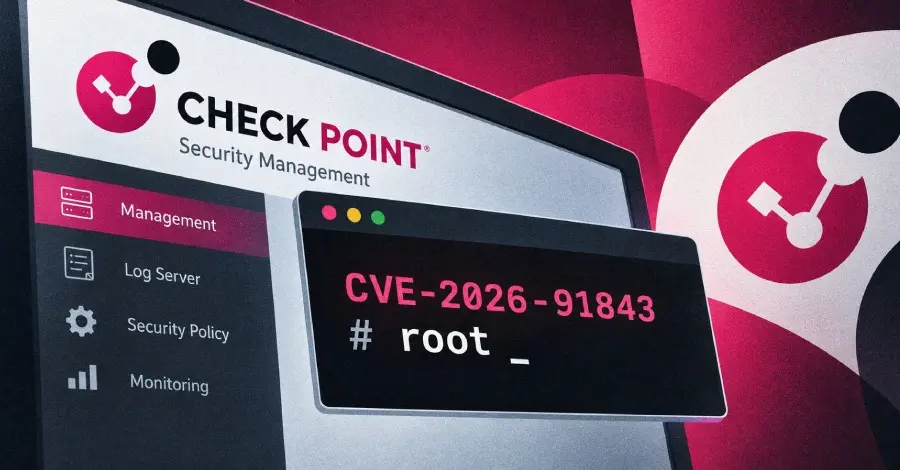
The vulnerability is not limited to standard Security Management Servers. Abramovich clarified that the flaw extends to Log Servers, Multi-Domain Management (MDM) servers, and standalone deployments where the management and gateway functions are consolidated onto a single physical or virtual system. This broad impact means that organizations of all sizes—from small businesses using standalone appliances to global enterprises managing thousands of gateways through Multi-Domain environments—must evaluate their exposure.
Conversely, some managed services appear to be insulated from the risk. An alert issued by NHS England Digital, citing Check Point’s internal advisory sk1000155, noted that the hosted Smart-1 Cloud service is not affected. This is because the underlying infrastructure for the cloud service had the necessary fixes applied by Check Point’s operations team before the vulnerability was publicly disclosed. For legacy environments, the situation is more complex. While branches such as R81.10 and older are officially marked as "end-of-support," Check Point has developed a fix for these versions. However, because they are out of the standard support lifecycle, customers must proactively open a support ticket to receive the necessary patches.
Remediation and the Role of LivePatch
To combat the threat, Check Point is leaning heavily on its LivePatch technology. LivePatch is designed to deliver urgent security fixes to systems in real-time without requiring a full reboot or a traditional maintenance window. According to the company, customers who have "automatic updates" enabled should already be protected. This setting, found within the SmartConsole under Global Properties and Data Access Control, allows the system to automatically download and install security updates and Software Blade contracts.

However, the delivery of these patches is not always instantaneous. During a previous security event involving VPN certificate flaws, some customers reported that automatic packages did not arrive immediately upon the announcement. Check Point representatives have previously noted that such updates are often rolled out in stages to ensure system stability across the global install base. For administrators who cannot wait for the automated rollout, Check Point has provided detailed instructions in advisory sk1000155 on how to manually apply the LivePatch.
Beyond patching, Check Point is urging a return to fundamental hardening principles. The primary recommendation is to audit and tighten the "Trusted Clients" setting. Located under the Permissions & Administrators section of the SmartConsole, this setting should be configured to allow only specific, known IP addresses rather than broad ranges or the "Any" designation. Check Point’s hardening guides emphasize that management interfaces should never be directly exposed to the internet and should ideally only be accessible through a secure VPN tunnel.
Market Presence and Global Exposure
The potential scale of the vulnerability is highlighted by data from Censys, which monitors the global footprint of internet-facing infrastructure. Censys reported observing 3,836 hosts worldwide that present the default identity signatures associated with Check Point management and log servers. While the company was careful to state that this figure represents "total role presence" rather than a confirmed count of vulnerable systems, it provides a sobering look at the number of organizations that could be at risk if their management interfaces are improperly exposed.
Because build numbers and specific hotfix levels are not typically visible in external scan data, it is difficult for outside researchers to determine exactly how many of these systems have already been patched via LivePatch. This lack of visibility makes it even more critical for internal IT teams to verify their own patch status.
 Cybersecurity Basics & Security News
Russia-Aligned Cyber Espionage Group UAC-0099 Deploys New ASHVEIN Malware in Sophisticated Campaign Against Ukraine
The landscape of cyber warfare in Eastern Europe continues to shift as...
 Cybersecurity Basics & Security News
GitHub Actions Compromised in ‘Mini Shai-Hulud’ Attack Disabled Again Following Brief Reappearance
The cybersecurity landscape has been reminded once again of the persistent and...
 Cybersecurity Basics & Security News
Beyond Policy Intent: Why Identity Visibility Has Become the Critical Frontier in Modern Cybersecurity
In the current landscape of enterprise security, the traditional perimeter has not...






