
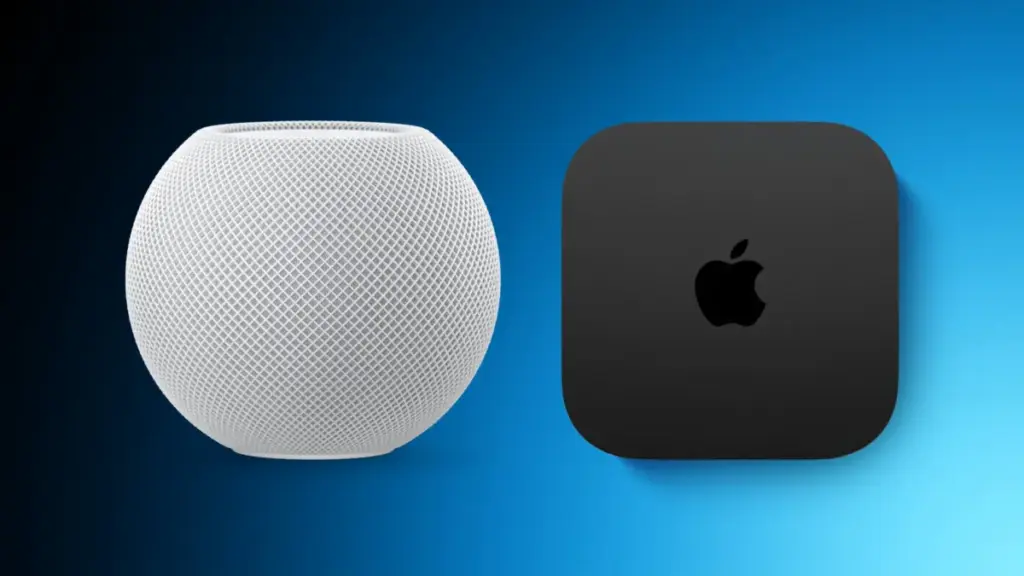
Customers looking to purchase an Apple TV or a HomePod mini through Apple’s official online storefront in the United States are facing prolonged waiting periods, as inventory levels for several popular models and color variants continue to dry up. The widespread availability issues come at a time when industry rumors and internal code discoveries strongly suggest that next-generation versions of both product lines remain on track for release later in 2026. While inventory fluctuations for Apple’s home hardware lineup have occurred intermittently for more than a year, the latest round of shipping lead times marks a significant escalation in supply constraints, with delivery estimates for certain models stretching deep into the autumn season and other configurations becoming completely unavailable to purchase.
An inspection of Apple’s U.S. online store illustrates the extent of the current fulfillment delays across multiple product categories. Among streaming media players, the baseline Apple TV configuration featuring 64GB of internal storage is currently suffering from substantial backorders, with estimated delivery dates slipping into October. The supply situation is even more constrained across the HomePod mini lineup, where specific color options are experiencing severe order backlogs or outright purchasing halts. The orange HomePod mini is currently unavailable to order entirely, with Apple removing the ability for customers to place new orders for the colorway. At the same time, customers attempting to order a yellow HomePod mini are being presented with estimated delivery dates that stretch into November, creating a multi-month lead time for those seeking the colorful compact smart speaker.
These stock shortages are part of a broader, ongoing trend that has affected Apple’s smart home and entertainment catalog for a significant period. Supply levels for both the Apple TV and HomePod mini have encountered recurring on-and-off disruptions for more than twelve months. However, the persistence and severity of the current delays across multiple finishes and storage options closely align with supply chain dynamics that typically precede new product launches. When Apple prepares to transition a product line to next-generation hardware, existing component orders and final assembly runs are frequently reduced to assist in clearing retail supply channels. This intentional drawdown prevents excess inventory from remaining in the sales pipeline when replacement models are officially announced and introduced to the market.
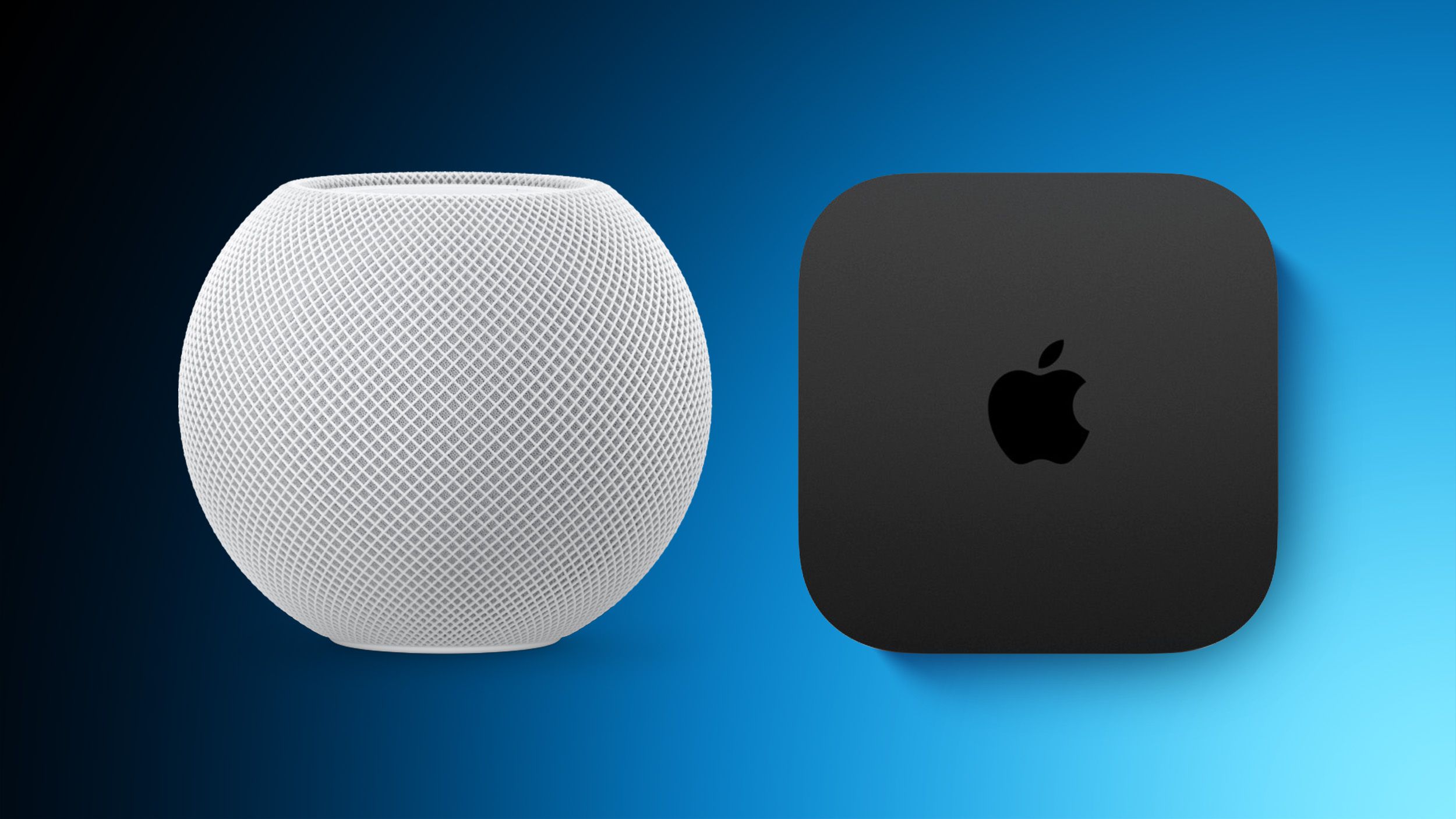
The tightening inventory comes amid substantial disclosures regarding the hardware capabilities of Apple’s upcoming set-top box. Evidence uncovered directly within Apple’s software framework by contributor Aaron Perris has revealed key technical details regarding the next-generation Apple TV 4K. According to internal model identifiers uncovered in the code, the upcoming streaming device is built around Apple’s A19 generation of silicon, indicating that the new hardware will feature either an A19 or an A19 Pro chip.
The shift to an A19-class processor represents a major technological leap forward compared to the existing Apple TV 4K model, which was released in 2022 and relies on the A15 Bionic chip. Beyond the substantial increase in CPU and GPU performance offered by the newer architectural node, the transition to the A19 platform carries significant implications for system memory. The evidence found in Apple’s code indicates that the next Apple TV will be equipped with either 8GB or 12GB of RAM. This is a dramatic increase over the 4GB of RAM featured in the current 2022 model, effectively doubling or tripling the memory resources available to the device.
The expansion to 8GB or 12GB of system RAM represents a crucial upgrade for the Apple TV architecture. Higher memory capacity allows the set-top box to maintain more complex applications in an active state, execute background system tasks more efficiently, and deliver smoother visual performance across high-resolution user interfaces. Furthermore, expanding the baseline RAM capacity provides the necessary hardware foundation for potential on-device machine learning capabilities, advanced gaming performance, and richer computational processing within tvOS, ensuring the device remains capable and future-proof
 macOS & Apple IT Support
Apple Reverts to Soldered Storage on M6 and M5 Pro Mac Mini Models, Halving Base SSD Speeds via Single NAND Setup
Apple’s latest update to the Mac mini line brings a significant architectural...
 macOS & Apple IT Support
Amazon Launches First Discounts on Apple Watch Ultra 4 and Series 12 Following Official Release
Following the official market arrival of Apple’s newest wearable lineup, retail channels...
 macOS & Apple IT Support
Apple Launches Major Hardware and Software Suite as iOS 27, macOS Golden Gate, and iPhone 18 Series Hit the Market
Following last week’s high-profile "Surprise and Shine" keynote event—the first major product...







