
Apple is preparing to significantly expand its presence in the smart home market with the introduction of a new dedicated hub, a move that marks the company’s most ambitious attempt yet to centralize the domestic digital experience. According to a new report from Bloomberg’s Mark Gurman, the upcoming device will be branded as the "HomeView," a name intended to sit alongside the existing HomePod line while emphasizing its visual capabilities. The formal unveiling is expected to take place on Tuesday, October 13, during a specialized media event themed "Welcome home," signaling a renewed focus on the integrated household ecosystem.
While the announcement is scheduled for mid-October, consumers may have to wait a few additional weeks to get the hardware into their homes. Gurman indicates that the HomeView is unlikely to see a retail release until the middle of November, positioning it as a key product for the late holiday shopping season. This timeline suggests that Apple is looking to capture momentum from the announcement while ensuring that the software and manufacturing pipelines are fully optimized for a global rollout. The discovery of the "HomeView" trademark was initially highlighted by MacRumors, providing the first concrete evidence of the branding Apple intends to use for this new category of device.
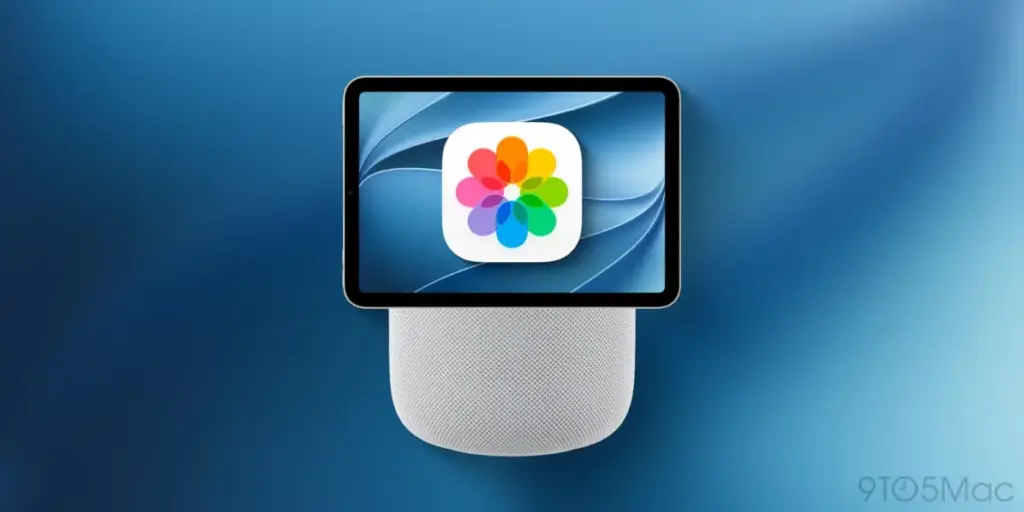
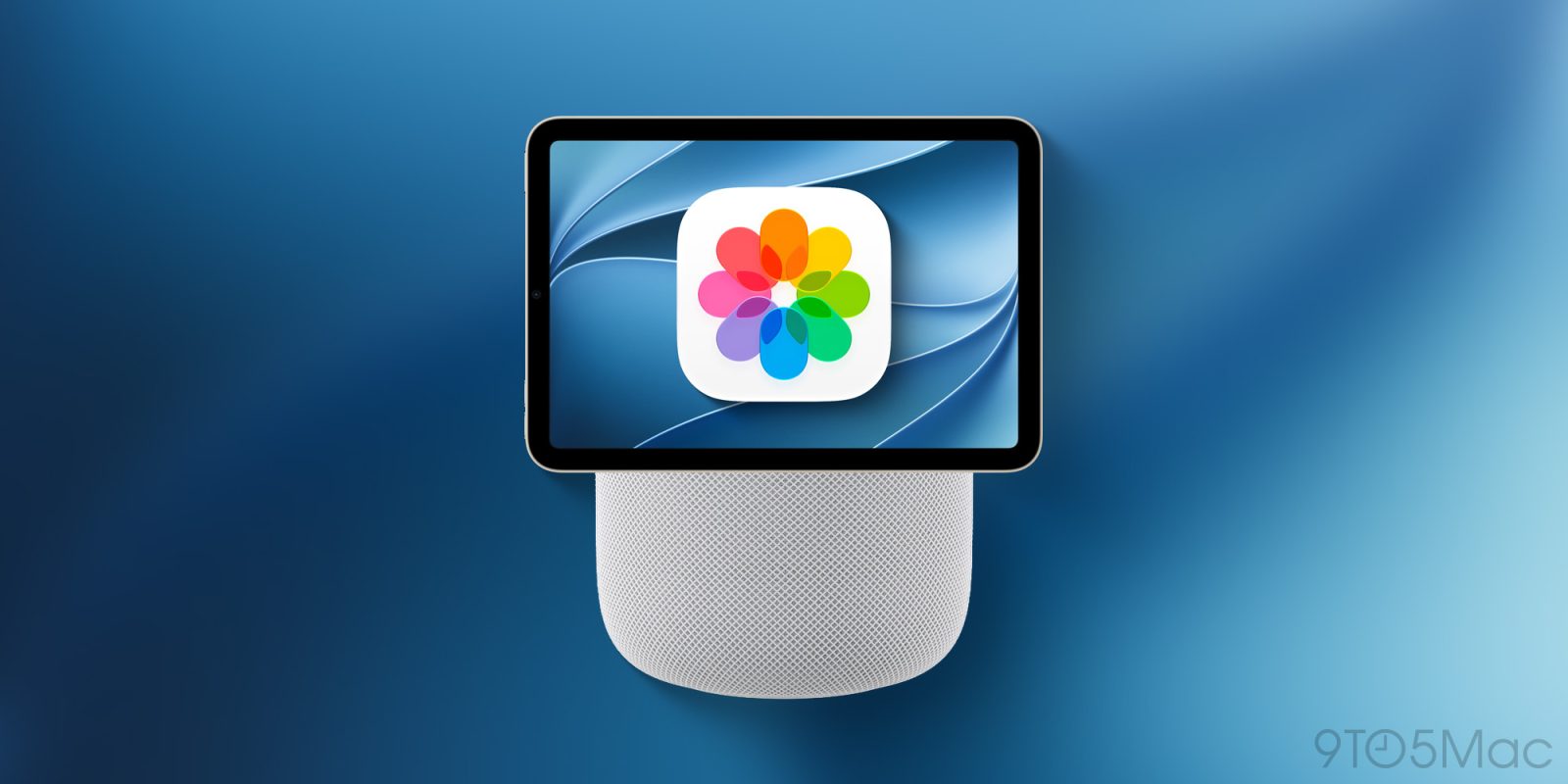
The physical design of the HomeView is expected to be a modern homage to one of Apple’s most iconic industrial designs: the iMac G4. The device reportedly features a "floating" display mounted on a swivel arm, which sits atop a robust base that doubles as a high-fidelity speaker. This design choice is intended to provide maximum flexibility for the user, allowing the screen to be tilted or rotated to accommodate different viewing angles in a kitchen, living room, or bedroom. By separating the display from the base, Apple can offer a screen that appears to hover, maintaining a light aesthetic footprint while housing the necessary acoustic hardware in the weighted base below.
Under the hood, the HomeView will be powered by Apple’s latest silicon, the A18 chip. The inclusion of such a powerful processor suggests that the device is being built with high-level performance in mind, particularly regarding on-device artificial intelligence and fluid animations. The A18 will likely be tasked with handling the sophisticated processing required for the next generation of Siri, which is expected to be the centerpiece of the HomeView experience. Unlike a traditional tablet or computer, the HomeView is designed to be a voice-first device. While it features a touch-sensitive display, the primary method of interaction will be through Siri AI, allowing users to control their environment and access information from across a room without needing to physically touch the screen.
Apple is also catering to different home aesthetics and installation preferences by offering two distinct configurations of the hardware. The primary model features the aforementioned speaker base, designed for placement on countertops, side tables, or desks. This version will be available in a variety of colors to match modern home decor, including space gray, silver, starlight, and a soft pink. For users who prefer a more integrated look, Apple is also readying a wall-mountable version of the HomeView. This model replaces the speaker base with a more compact, square mounting system, allowing it to sit flush against a wall like a traditional thermostat or control panel. To maintain a professional and architectural appearance, the wall-mounted version will be offered in a more limited color palette of monochrome silver and space gray.
The software experience on the HomeView will be distinct from that of the iPad or the Mac. According to the report, the device will run a suite of dedicated Apple applications designed specifically for a stationary home hub, focusing on utilities such as Calendar, Notes, Home control, and Photos. Notably, the device will not launch with a dedicated App Store. Instead of installing third-party applications directly onto the HomeView, Apple is reportedly developing a system that allows users to "project" widgets from third-party apps installed on a nearby iPhone. This approach ensures that the HomeView remains a streamlined, secure, and highly stable appliance rather than a general-purpose computer, while still providing access to the data and services users rely on from outside the Apple ecosystem.
The "Welcome home" event is expected to be a comprehensive showcase of Apple’s broader strategy for the domestic market, reaching far beyond a single piece of hardware. In addition to the HomeView, Apple is reportedly preparing hardware refreshes for two of its core home products: the Apple TV set-top box and the HomePod mini. These updates are expected to bring improved processing power and better connectivity to the existing lineup, ensuring that the entire home ecosystem is capable of supporting the latest communication protocols and AI-driven features.

Perhaps most significantly, Apple is moving toward a more collaborative approach to the smart home. The company has reportedly entered into a strategic partnership with major appliance manufacturers, including LG, to develop a range of smart home accessories. These products—which are expected to include smart thermostats, door locks, and doorbells—are being designed to work seamlessly within Apple’s "Home" framework. By partnering with established experts in the appliance space, Apple can ensure a wider variety of high-quality, compatible hardware is available to consumers at the launch of its new initiative, rather than relying solely on its own internal hardware development.
This shift toward a more robust home strategy comes at a time when the industry is moving toward greater interoperability. Apple’s focus on the HomeView as a central command center suggests a desire to provide a more cohesive user interface for the dozens of smart devices that now populate the modern home. By utilizing the A18 chip and a voice-first interface, Apple is betting that Siri can become a more proactive and reliable assistant, capable of managing complex home automations and providing "glanceable" information that users can see from a distance.
The concept of "viewing" content from across the room is a key part of the HomeView’s value proposition. Whether it is checking a security camera feed, following a recipe in the kitchen, or monitoring a smart thermostat’s status, the device is built to be a passive but powerful presence. The floating display design facilitates this by allowing the screen to be positioned exactly where the user needs it, while the high-performance speaker base ensures that Siri’s responses and any media playback are clear and room-filling.
As the October 13 event approaches, the tech industry is watching closely to see how Apple justifies the HomeView’s place in a market already occupied by various smart displays. The combination of nostalgic design, high-end silicon, and a curated software experience suggests that Apple is aiming for a premium position, focusing on privacy, ease of use, and deep integration with the iPhone. The lack of an App Store may be seen as a limitation by some, but it aligns with Apple’s vision of the device as an appliance—a reliable fixture of the home that works consistently without the maintenance or complexity of a standard mobile operating system.

The partnership with LG and other manufacturers further underscores the scale of Apple’s ambitions. By expanding the range of compatible accessories, Apple is attempting to solve one of the primary friction points of the smart home: the fragmented nature of device management. With the HomeView acting as the visual and vocal anchor, and a new generation of Apple TV and HomePod hardware supporting the backend, the "Welcome home" event appears set to define the next era of Apple’s services and hardware integration.
With the official announcement just days away, the HomeView stands as the most significant new product category for Apple since the introduction of the Vision Pro. It represents a pivot back to the physical spaces users inhabit, attempting to bring the same level of polish and ecosystem synergy to the walls and countertops of the home that Apple has successfully brought to the pockets and wrists of millions. Following the Tuesday event, more details regarding pricing, specific regional availability, and the full extent of the third-party accessory partnerships are expected to be revealed.
 Smart Home & IoT Solutions
Apple Intelligence Signals Major Overhaul for Smart Home Lineup as New Hardware Nears Release
For several years, Apple’s presence in the smart home market has been...
 Smart Home & IoT Solutions
Apple to Require 2TB iCloud+ Subscription for New AI-Powered Home Security Features
As Apple continues to integrate its sophisticated "Apple Intelligence" across its ecosystem,...
 Smart Home & IoT Solutions
SwitchBot Unveils Lock Vision Series Featuring 3D Facial Recognition and Native Matter Integration
In the rapidly evolving landscape of smart home security, the transition toward...







